


Do you ever find old devices and pieces of technology that you haven't seen in years in a box or in your basement that you completely forgot about? I'm sure this happens to plenty of us because it happens to me all the time. I find them, and I wonder: why did I keep these?
As a tech writer, I probably have more random devices that I've accumulated over the years because I've product tested them for articles. Seeing these old ones gives me a glimpse into the past of what some companies thought was going to be the next big thing. 12 years ago, Google was trying to make big waves in the smart home sector. But one move it made completely changed a product forever.
The Revolv smart home hub controlled many devices
This could run your smart home

The Revolv smart home hub was a one-stop shop that could control your smart home devices and effectively run them. Released in 2013, by Revolv, a tech company that previously went by Mobiplug when it was founded before. Mobiplug changed its name to Revolv when it was ready to release its flagship product.
Upon its release, Revolv cost nearly $300 and wasn't a commercial success. It worked via multiple protocols such as Wi-Fi and Z-Wave, thanks to the seven radios that were in it. To boost its sales, Revolv secured a partnership with The Home Depot to sell the device.
It used a FlashLink system, which was a unique setup. It took the LED flash from a user's phone and used it to transmit data to the hub.
However, the technology caught the eye of Google, who was in the process of purchasing Nest Labs. Nest Labs had already put out its Nest Learning Thermostat in 2011 and the smart home manufacturer was continuing to grow.
After Google bought Nest Labs, it merged to become Google Nest. Google Nest was looking to grow its capabilities and fill out its device roster. It turned around and bought Revolv. However, it wasn't interested in the Revolv smart home hub.
Google Nest had different plans for the Revolv
Fans were frustrated by it

In 2014, shortly after Google acquired Nest Labs, Revolv was purchased for an undisclosed amount. Google Nest wanted the engineering talent behind Revolv, not the device itself.
It was announced at the time that it was going to be a deal that dealt with the people involved with the device instead of the smart home hub, so it wasn't a sudden shock that it was going to be shut down. But that didn't help the users of the Revolv.
Google wasn't even interested in the customer base. It used its name recognition to squash the competition and wasn't fearful that the customers wouldn't find their way to Nest.
Right away, Revolv smart home hubs ceased being made and even stopped selling the hardware. Anyone who had one was able to continue using it for a little while. But it became clear that the device wasn't long for life.
It was shut down suddenly
It became about as useful as a hockey puck
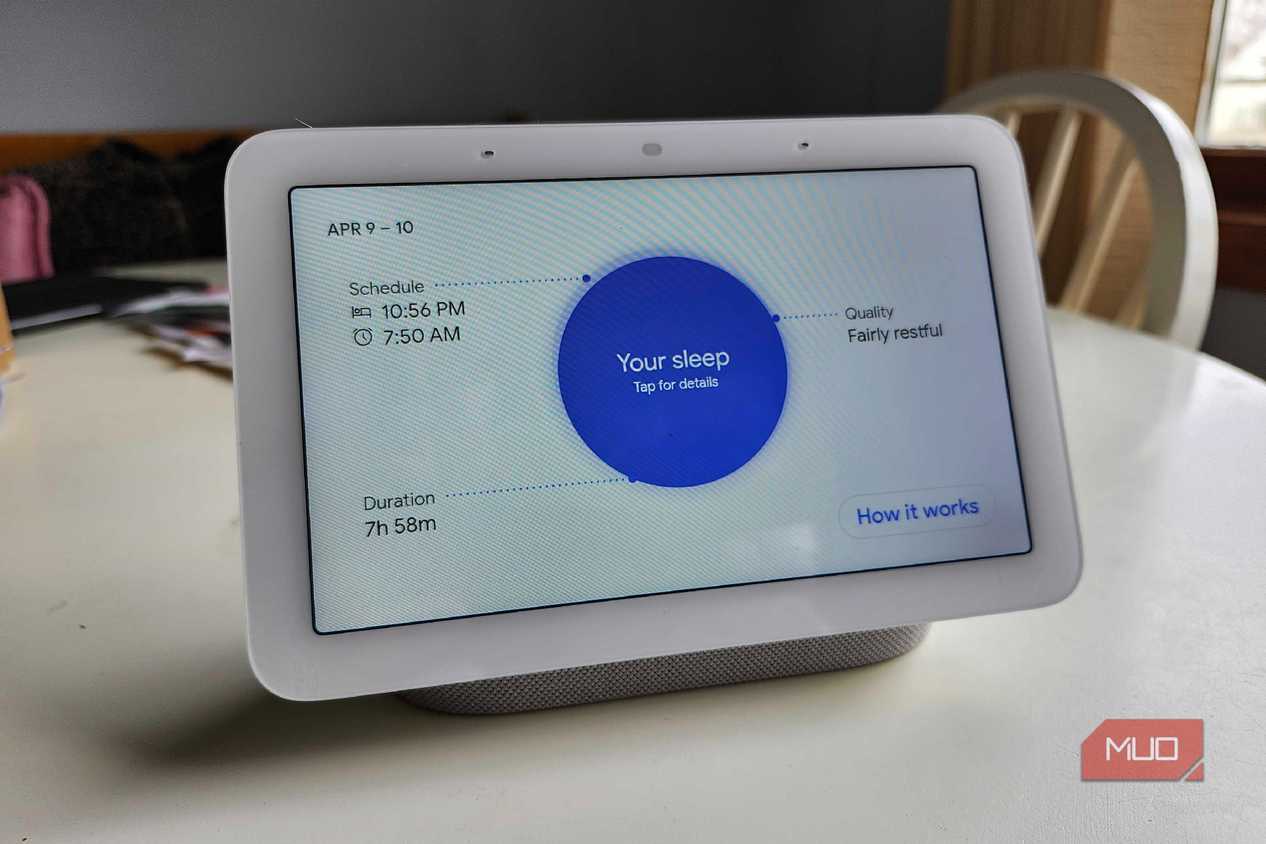
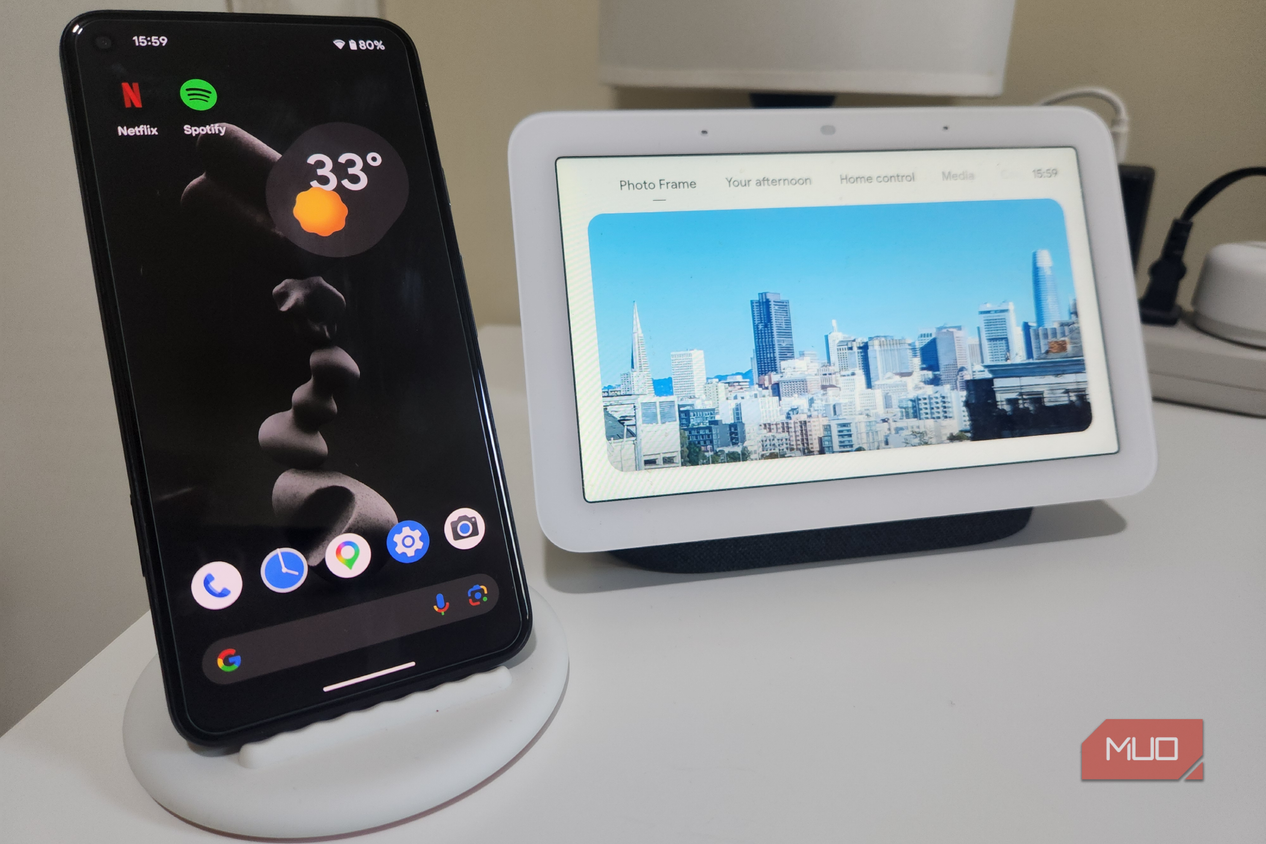
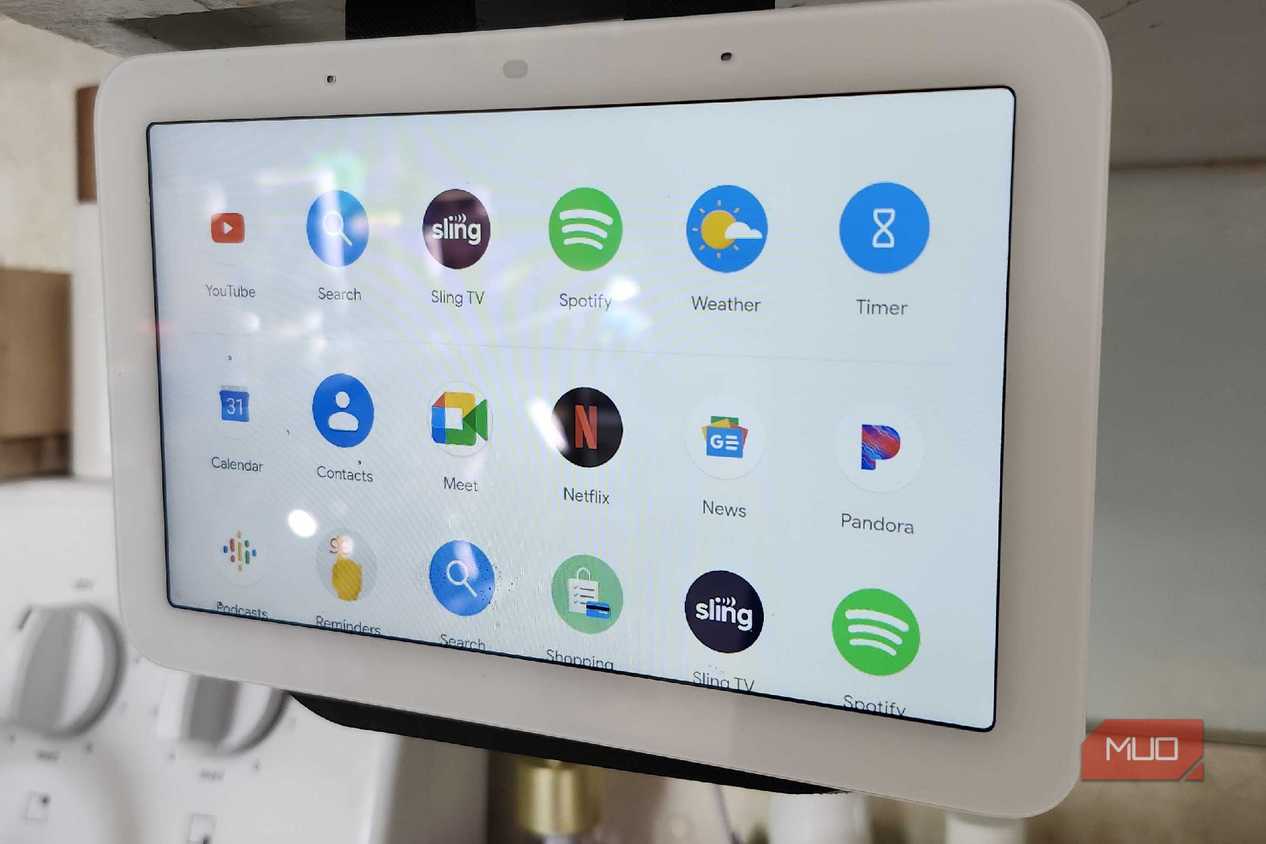
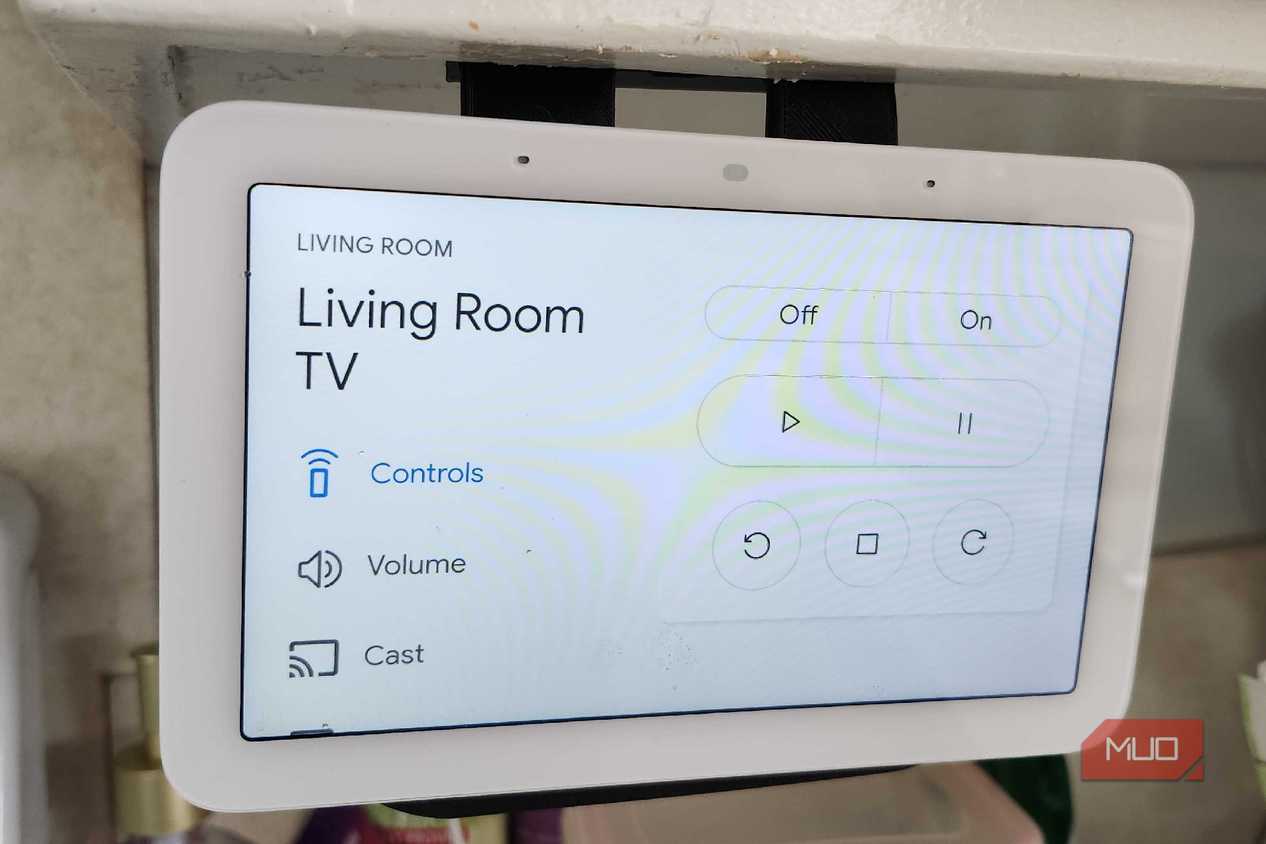



 Credit: Shaun Cichacki/MUO
 Credit: Jack Mitchell/MUO
 Credit: Shaun Cichacki/MUO
 Credit: Shaun Cichacki/MUO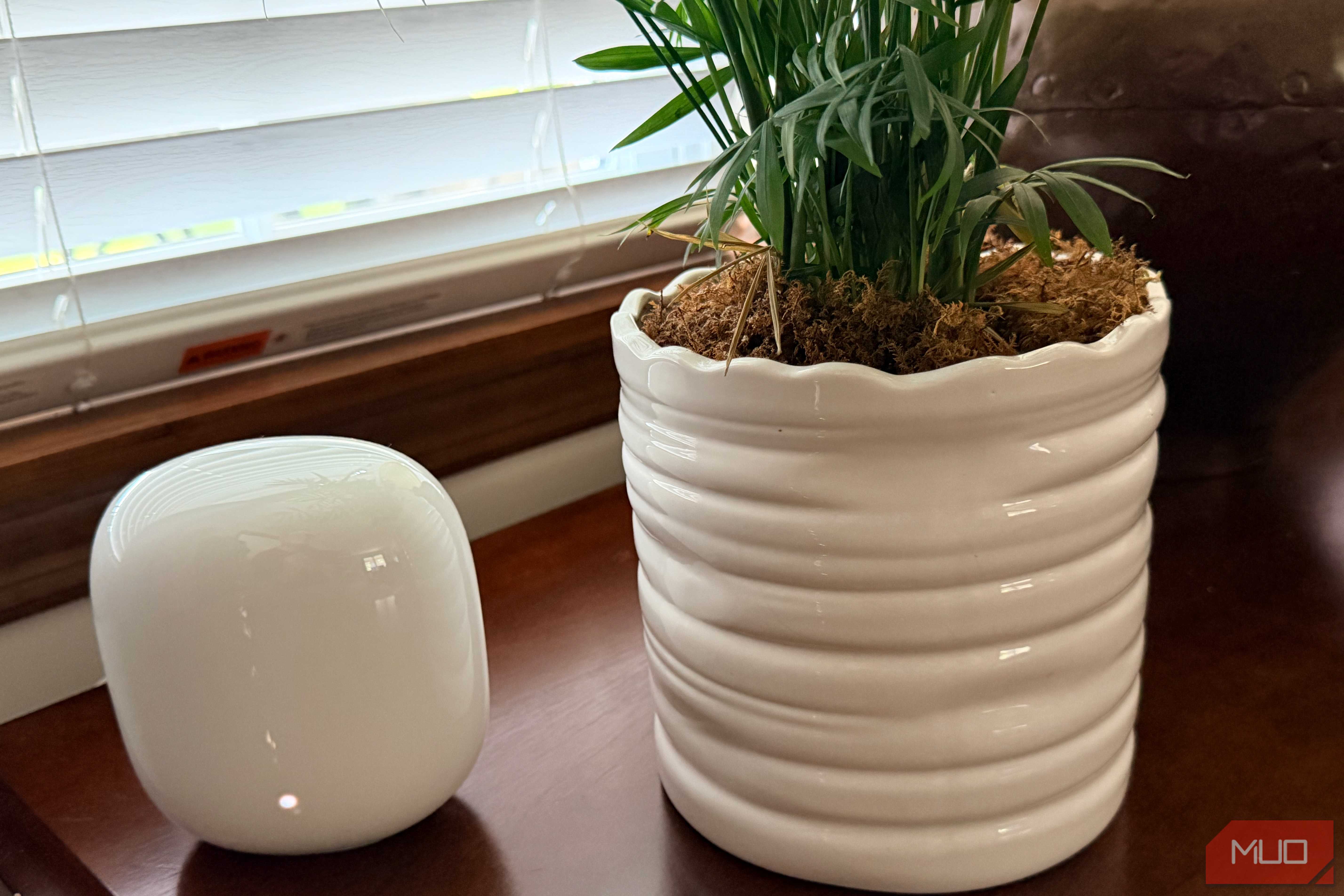
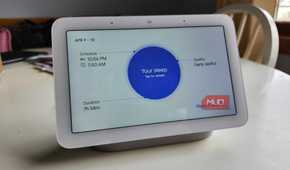
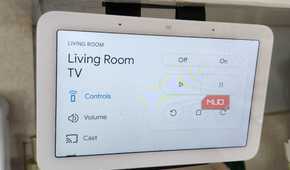

Nest devices have continued to be popular, as the Google Nest Hub has been one of the most well-known smart home hubs on the market. It has become that way because Google is one of the biggest brands in the world.
It also doesn't hurt when you can shut down competing devices to make room for yours. This was the case when, in 2016, support for all Revolv smart home hubs was shut down. The Revolv website speaks to this, as it just shows that the smart device no longer works. All the servers and the apps that were servicing the hub were nixed on May 15 of that year.
Because Revolv relied on the Internet of Things and cloud computing, it was rendered useless. There was no way for the device itself to work anymore without any support.
For anyone who had invested in the $300 device, the writing was on the wall in 2014 and two years later, the device ceased to work. It likely ended up in a drawer like so much of the forgotten tech we don't use anymore.
Revolv didn't die in vain, though. Because Google basically bought a company and shut it down, it left a customer base hanging in the wind. It sparked outrage online, despite this being something that has happened in business plenty. Yet, it hadn't really happened much like this within the smart home space.
It also was a clear example of what happens when a device is strictly reliant on the cloud. It's why people have turned their attentions to protocols like Thread and Matter, which run locally and don't need the cloud.
Revolv was a smart home hub that had a short-lived life
Revolv came out when the smart home wave was just starting. However, its legacy might be longer served because of what happened to it after the company got purchased. Google never gave it a chance to survive, just wanting the technology behind it. It's a good reminder that technology's usefulness is ever fleeting.

Nest Hub Smart Display
- Brand
- Nest
- Display
- 7" Touchscreen
- SMART ASSISTANTS
- Gemini
The Google Nest Hub is one of the best-selling smart home hubs on the market. It relies on Google Home technology as its smart assistant.