


Android phones are filled with Google services that can be used to serve you ads and collect data. The Google Play Store, Google Play Services, and underlying Google APIs are all bundled with popular Android OS versions. If you want to avoid these Google services entirely, you need to take extreme measures, like installing a custom Android ROM. For example, software company Murena sells a custom Fairphone 6 variant powered by /e/OS, a "deGoogled" Android operating system. This isn't the only custom Android ROM that places a focus on privacy and security, though — GrapheneOS is another prime example.
ROMs like GrapheneOS or /e/OS are niche because most of us depend on key Google experiences more than we'd like to admit. We don't like the ads and tracking, but we do enjoy the benefits of the Play Store and Play Services. However, another reason people don't experiment with third-party Android builds is the software inconsistency. GrapheneOS, for instance, is only officially supported on select Google Pixel phone models. That's changing soon, and the addition of Motorola phones to the list of supported devices suggests a bright future for GrapheneOS.
These Motorola phones are getting GrapheneOS support
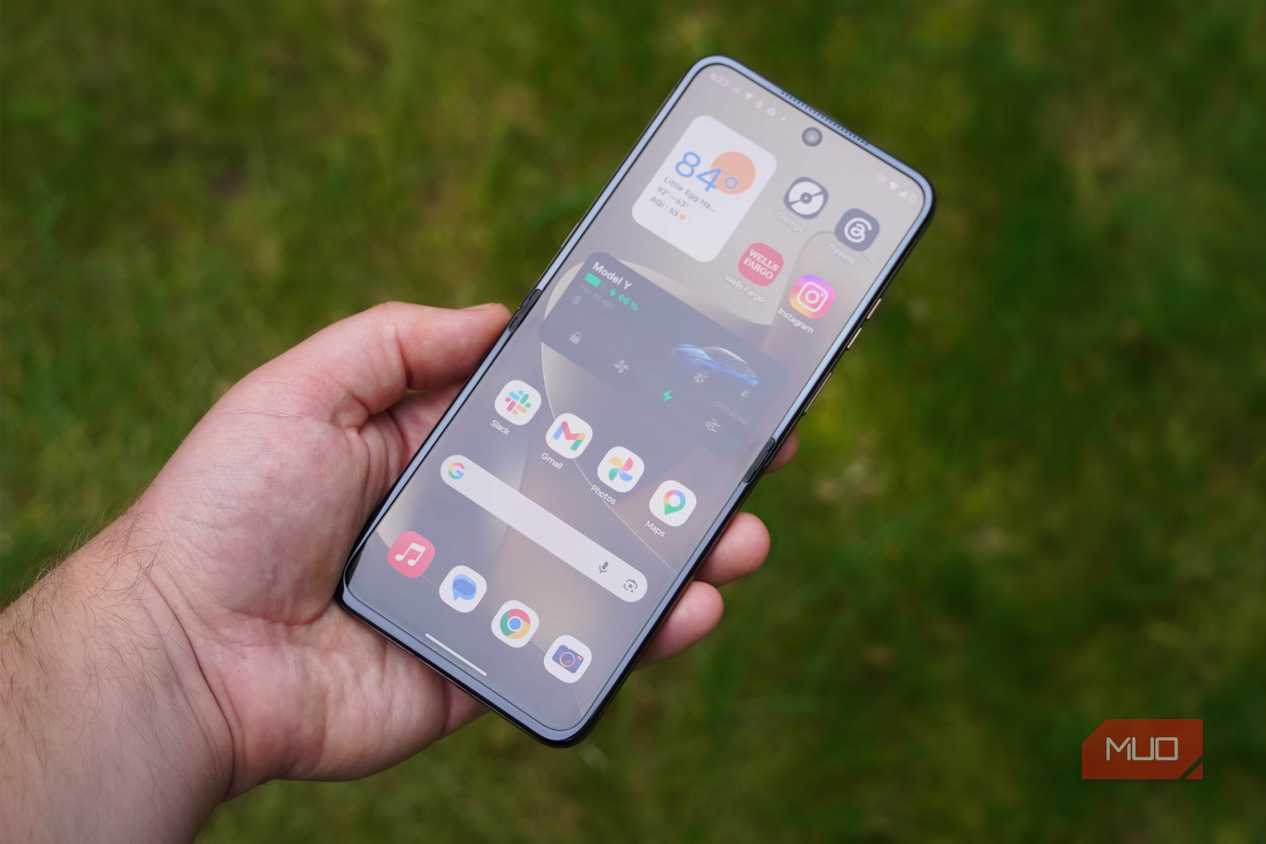
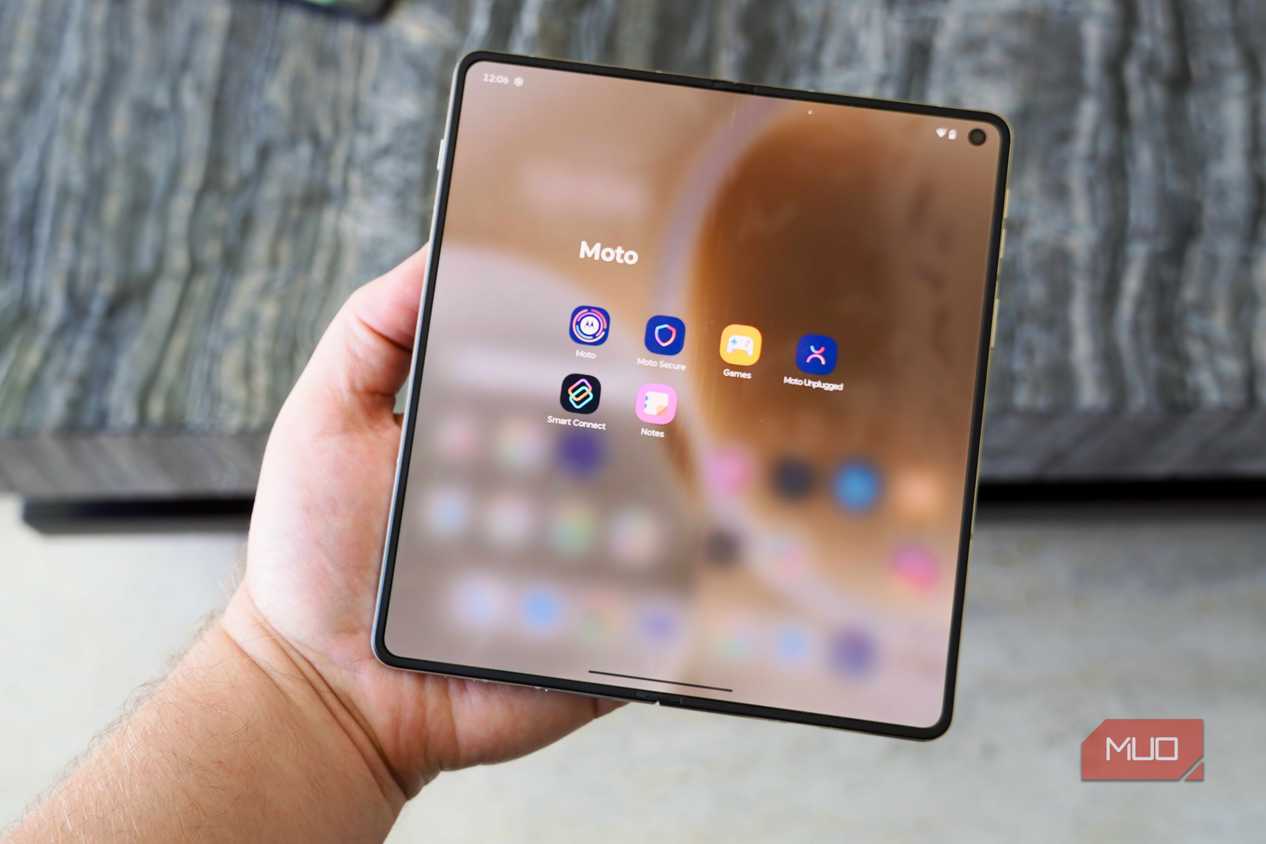
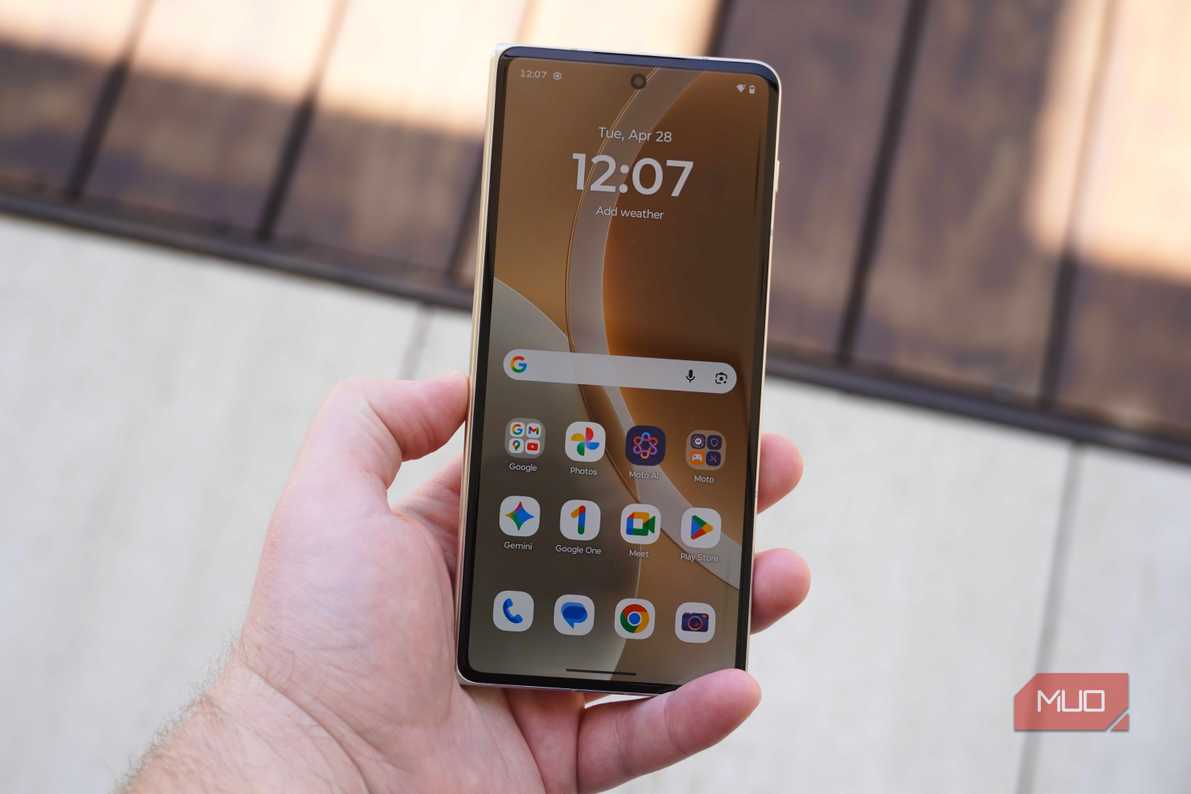
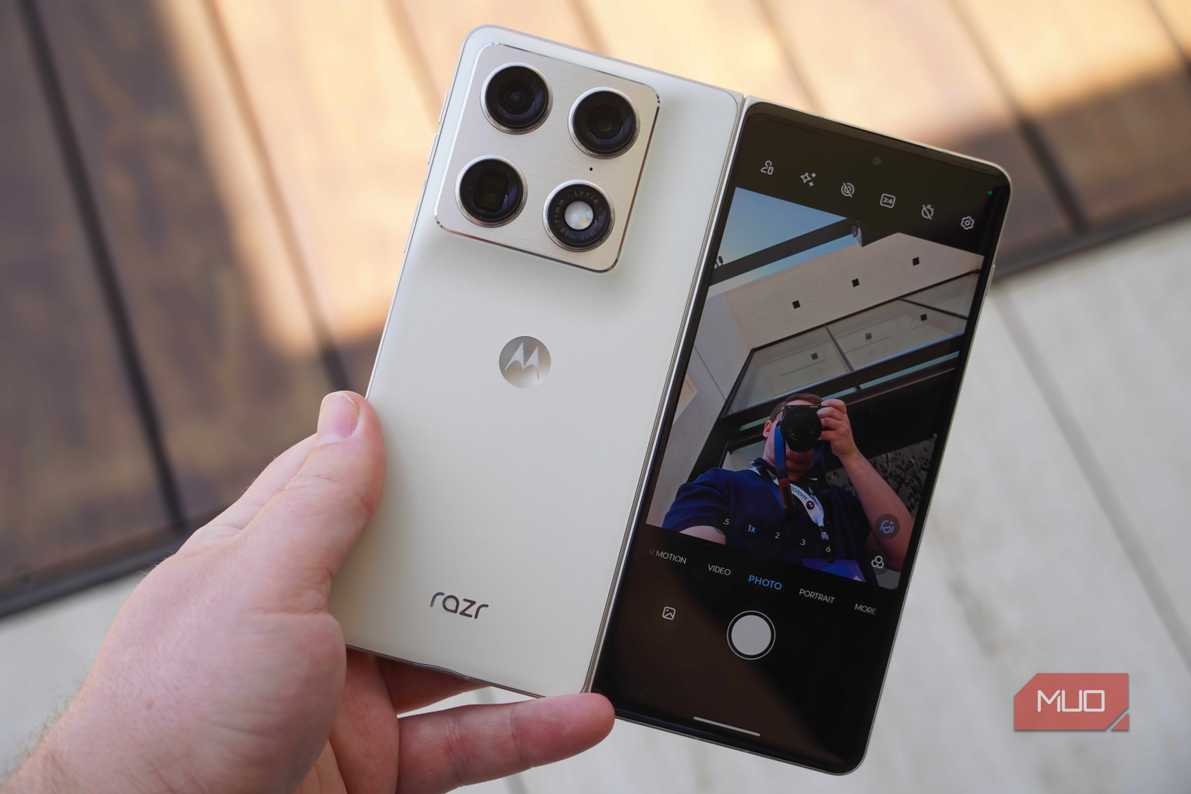
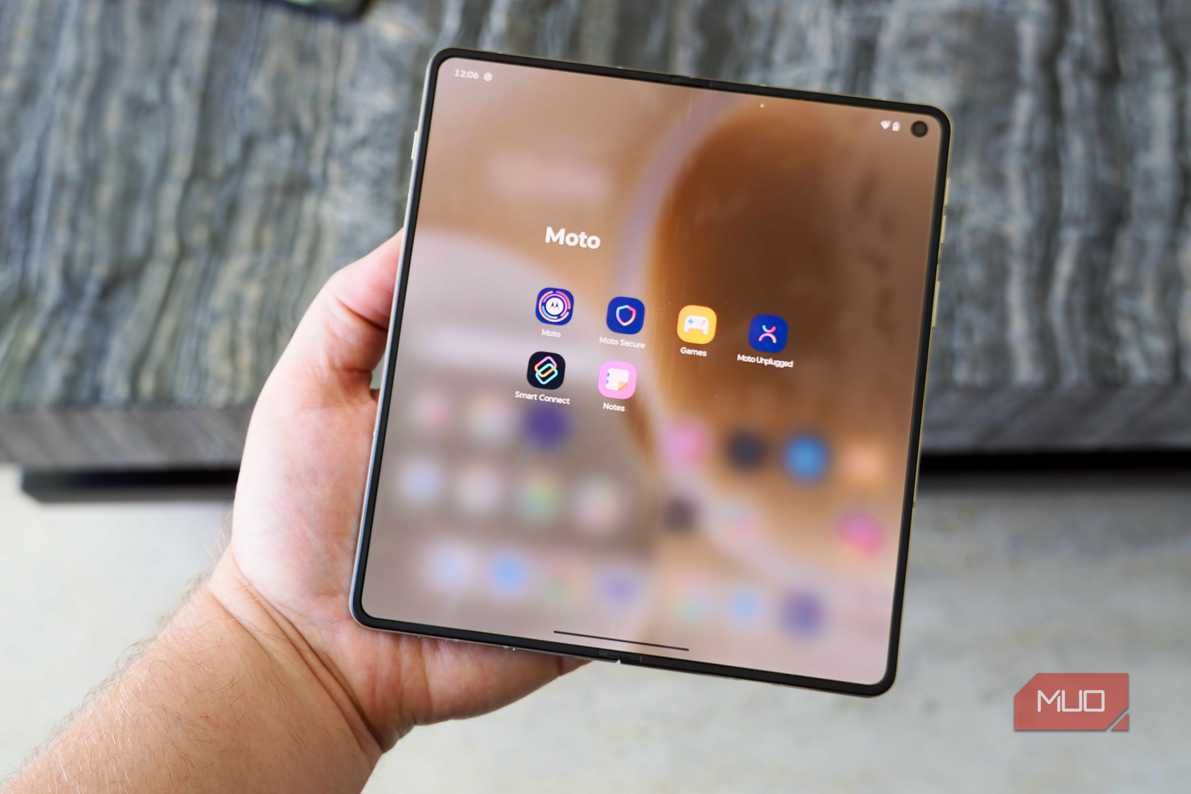
It'll be flagships like the Motorola Signature and Razr Fold to start
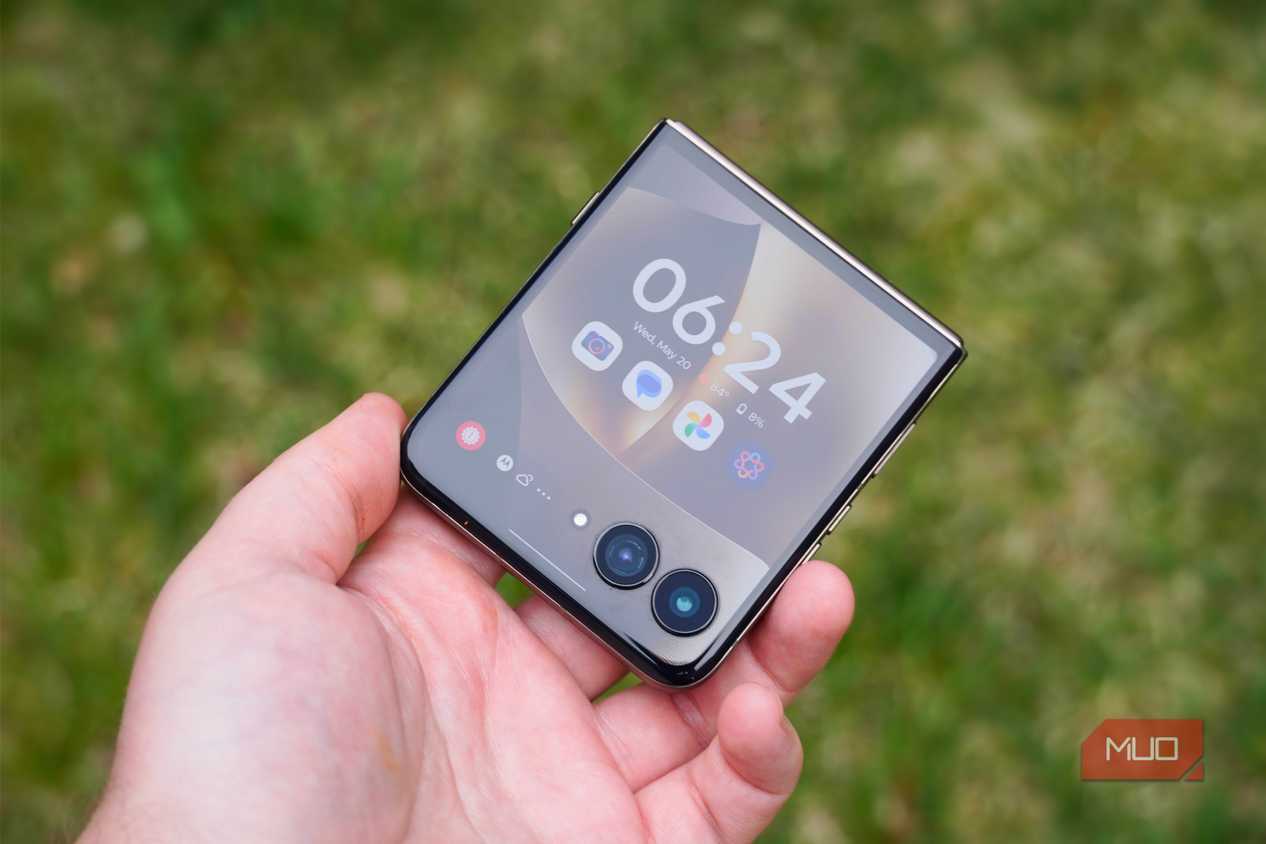
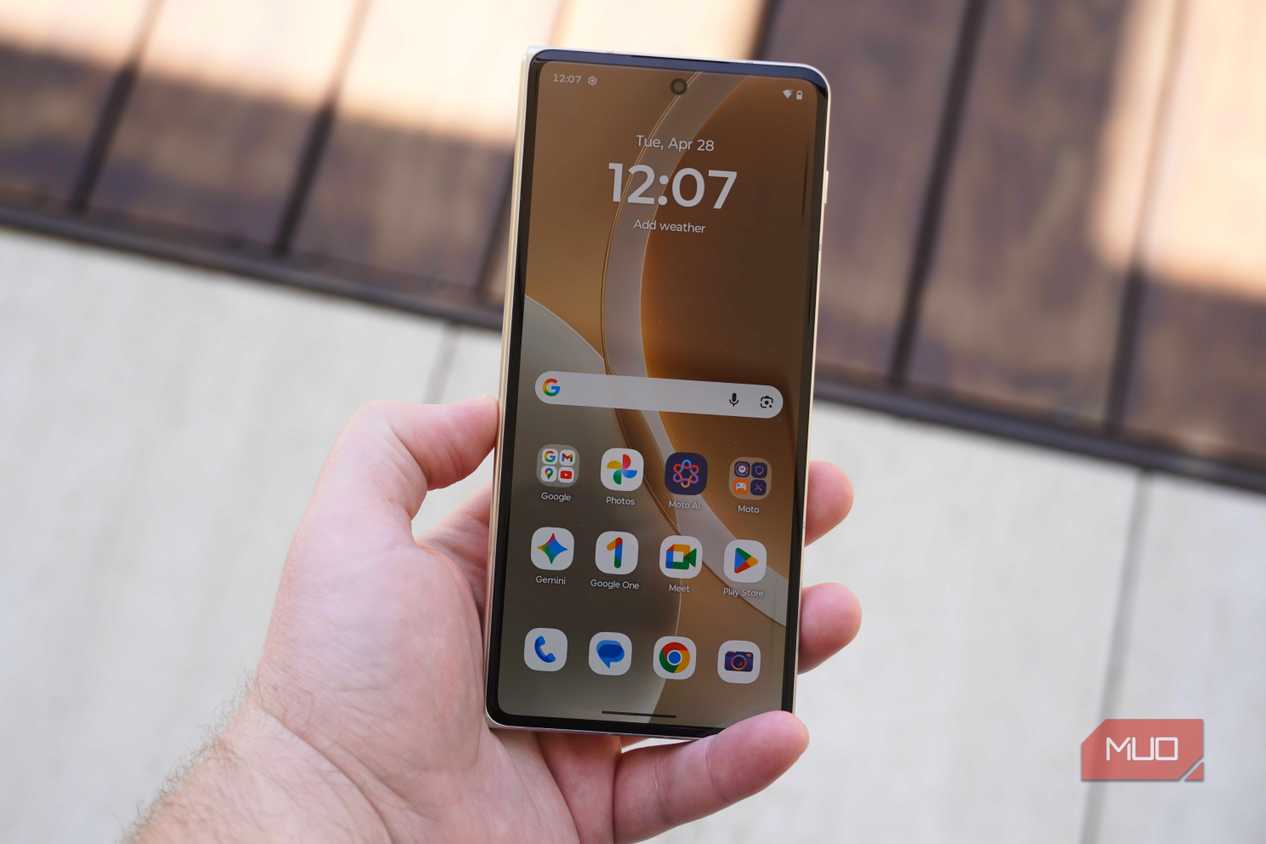
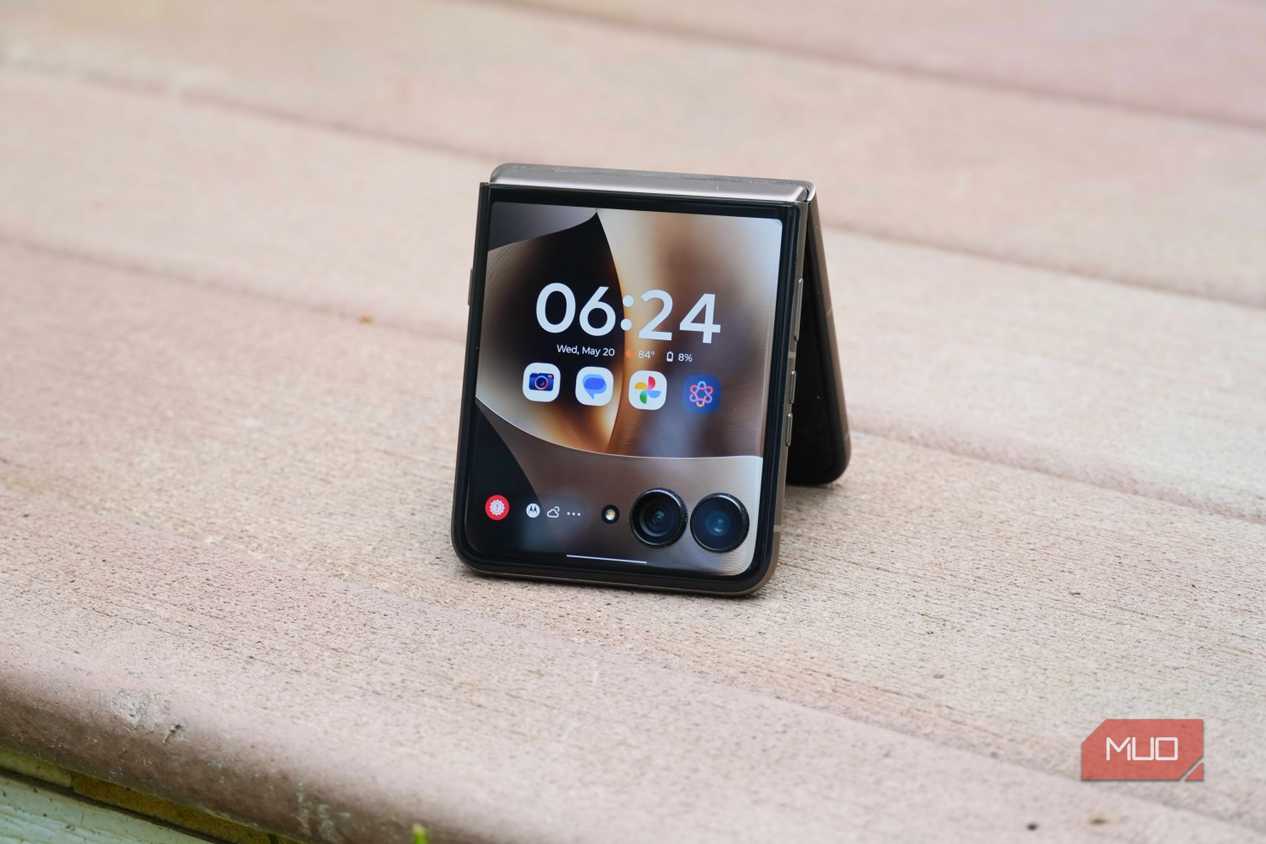
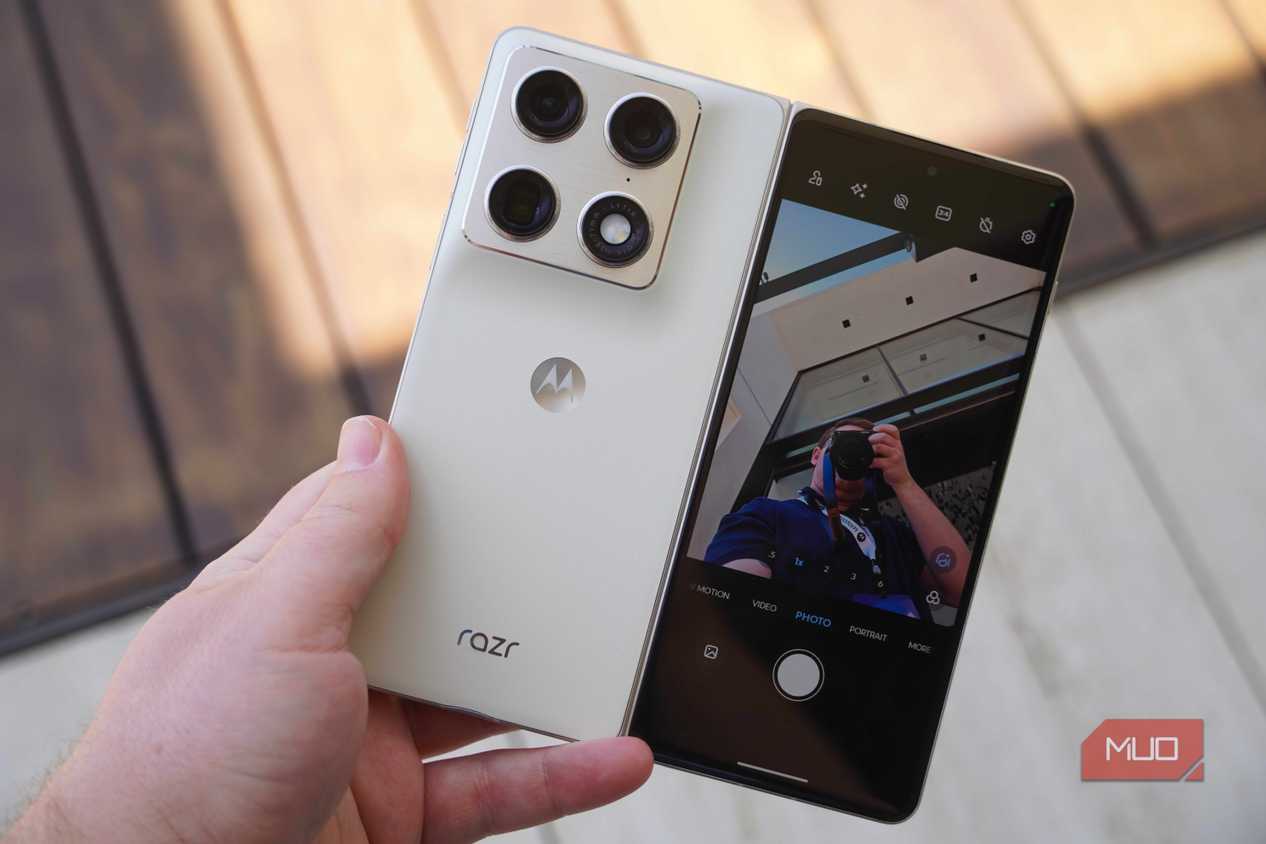





 Credit: Brady Snyder / MakeUseOf
 Credit: Brady Snyder / MakeUseOf
 Credit: Brady Snyder / MakeUseOf
 Credit: Brady Snyder / MakeUseOf
 Credit: Brady Snyder / MakeUseOf
 Credit: Brady Snyder / MakeUseOf
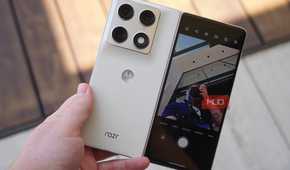
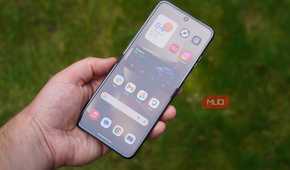
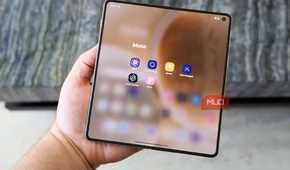
To date, GrapheneOS has supported every Google Pixel phone model at some point. The operating system currently supports the Pixel 6 series and newer, but non-Google hardware isn't supported. That will change sometime in 2027, when GrapheneOS will add support for new Motorola phone models. "We're working with them to improve their devices to meet our requirements," GrapheneOS' official X (formerly Twitter) account wrote in a post. "They're working on fully porting GrapheneOS to their devices including supporting all of our hardware-based security features such as hardware memory tagging."
Unfortunately, this means that current Motorola devices won't support GrapheneOS. "GrapheneOS won't be available for their 2026 devices since they don't meet our requirements," the account clarified in a reply. "It's the 2027 devices which are being improved to meet our requirements and are having GrapheneOS support implemented for them." Motorola just released its 2026 lineup of foldables, including the Razr 2026 series and Razr Fold. So, buyers might need to wait until around this time next year to see a GrapheneOS-compatible Razr phone.
GrapheneOS confirmed that it's targeting Motorola's flagship Android phones in its initial wave of support. The team's focus will "initially be one device," but GrapheneOS will eventually be available for multiple Motorola models. To start, we can expect the next-generation Motorola Signature, Motorola Razr Ultra, and Motorola Razr Fold to be initial targets for the GrapheneOS support rollout.
Both Motorola and GrapheneOS have reinforced that this is a long-term partnership to bring the custom ROM to future phones. While it'll take some time to get the partnership up and running, GrapheneOS says that Motorola is "improving their devices to meet our requirements and implementing everything we need."
GrapheneOS is a private and secure Android ROM
It unbundles the usual Google extras from Android, like Play Services

Motorola's market share among Android manufacturers is ticking upward, and its partnership with GrapheneOS is major. But, why should Motorola users consider installing GrapheneOS when it is available? It all comes down to privacy and security. Even the most barebones version of the Android Open Source Project (AOSP) includes integrations with Google services. Privacy-conscious custom ROMs like GrapheneOS try to remove these integrations, such as how GrapheneOS removes Google Play Services by default while maintaining compatibility with Android apps.

GrapheneOS
- OS
- Android
- Security
- de-Googled, privacy focused
- Software Version
- AOSP 16
GrapheneOS is a privacy-focused Android version without Google services. You can install it on a narrow set of supported devices today, but you'll need to really know what you're doing. It's an intensive process that requires technical know-how. That will change when Motorola officially sells GrapheneOS phones next year.
The goal is to provide user flexibility, putting Android phone owners in control over how their data is shared with Google. For example, GrapheneOS supports sandboxed Play Services. This allows users to access Google Play Services features in an isolated environment separately from all the sensitive and personal data on their smartphone. GrapheneOS phones can still access certain Android APIs usually handled by Play Services thanks to open-source alternative providers, such as Seedvault.
Encryption is another important component of GrapheneOS, which uses both file-based disk encryption and metadata encryption. From a hardware perspective, GrapheneOS locks down a device's USB-C port when it is locked to prevent attacks like "juice jacking." Finally, it's worth calling out that GrapheneOS is open source, so anyone can verify how the custom Android ROM ticks.
GrapheneOS will soon no longer be Pixel exclusive
The custom ROM currently supports a limited set of Google phones

It's somewhat ironic that, to remove Google services from your Android phone with GrapheneOS, you should buy a Pixel phone. The reason is simple — GrapheneOS has strict hardware requirements and Pixel phones are some of the only handsets that meet them. With this Motorola partnership, though, that is bound to change. This is good news for anyone that likes to tinker with custom ROMs, specifically those that prioritize privacy and security. Motorola's flagship phones have impressive hardware, and starting next year, they'll have GrapheneOS support to boot.

Motorola Razr Fold
- SoC
- Qualcomm Snapdragon 8 Gen 5
- RAM
- 16GB
- Storage
- 512GB
- Battery
- 6,000mAh silicon-carbon
- Operating System
- Android 16
- Front camera
- 32MP external, 20MP internal
The Motorola Razr Fold is a formidable challenger to Google and Samsung foldables in the U.S., complete with a 6,000mAh silicon-carbon battery and stylus support on both of its screens. It packs slick Pantone colorways and an 8.1-inch foldable OLED display. Plus, it can charge at a whopping 80W over a cable and at 50W wirelessly.