


Most flagship phones these days have similar specifications, so you don't look much at the hardware, but rather the brand. However, one thing I still stop and think about before purchasing a new phone is the amount of storage I need.
Getting more storage space feels like the obvious choice because you don't have the option to expand it later. But do you really need all that storage you are paying a premium for? I've opted for 512 GB variants for the last three years, and I think I've been overpaying this whole time.
More storage inflates the pricing of the phone
Phone makers charge far more for extra storage than the hardware costs justify

It's easy to fill up your phone's storage without realizing it. Photos, videos, apps, cached data from messaging apps, it all adds up. The obvious fix is buying more storage upfront, and today's flagships do offer plenty of headroom, scaling up to 512GB or even 1TB.
The catch is what that headroom costs. The Samsung Galaxy S26 Ultra starts at $1,299.99 for 256GB, rises to $1,499.99 for 512GB, and tops out at $1,799.99 for 1TB. That means going from the entry-level to the 1TB model adds $500, or roughly 38% to the price. The Pixel 10 Pro shows a similar pattern, starting at $999 for 128GB and climbing to $1,449 for 1TB.
But the cost difference between a 256GB and 512GB NAND flash chip for a manufacturer is roughly $10 to $30. The retail jump of $100 to $200 is not a cost-of-goods markup, but a deliberate pricing strategy.
Phone makers know that storage is something buyers understand at a gut level. Most people don't know what 8GB versus 12GB of RAM means for them, but "I'm running out of space" is a feeling everyone has had. That makes storage the easiest lever to pull when creating tiered pricing. The base model gets you in the door at an attractive price, and the higher tiers extract more from buyers who self-select into them.
Making matters worse, higher storage variants on many phones also bundle more RAM. If you want 512GB on some models, you're forced into the 16GB RAM variant because that's the only configuration available. You're paying for memory you might not need to get the storage you want.
Not making my phone the dump yard
Periodic cleanups and external backups keep my phone lean
Pankil / MakeUseOf
Pankil Shah / MakeUseOf


 Credit: Tashreef Shareef / MakeUseOf
 Credit:
 Pankil / MakeUseOf
 Credit:
 Pankil Shah / MakeUseOf



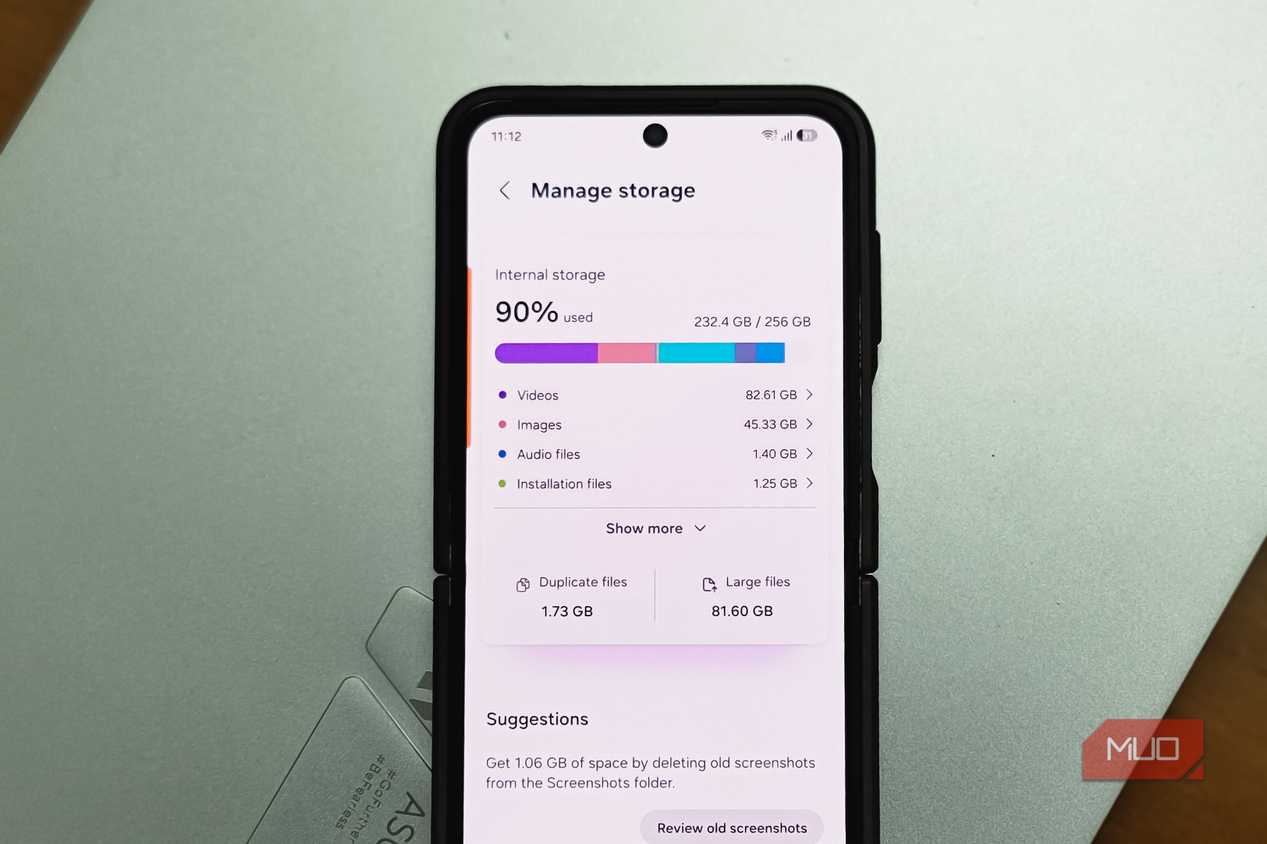
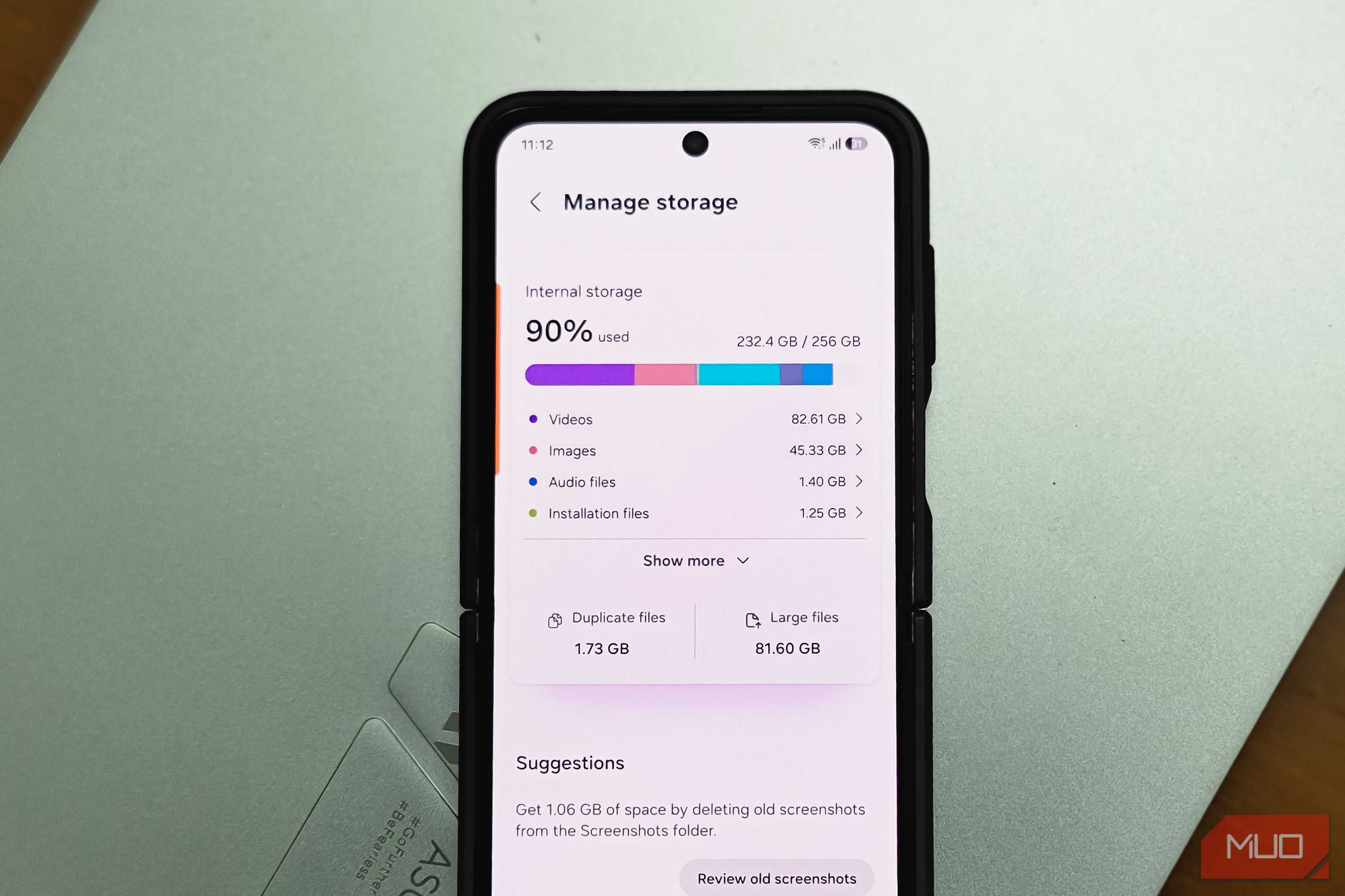
Treating your phone as a permanent archive is a mistake and can be an expensive one at that. In my case, every photo, downloaded file, and the apps I installed once and never opened again. It all stayed. My Galaxy Z Flip 6 has 256GB, and I would regularly see storage warnings because I just let things pile up.
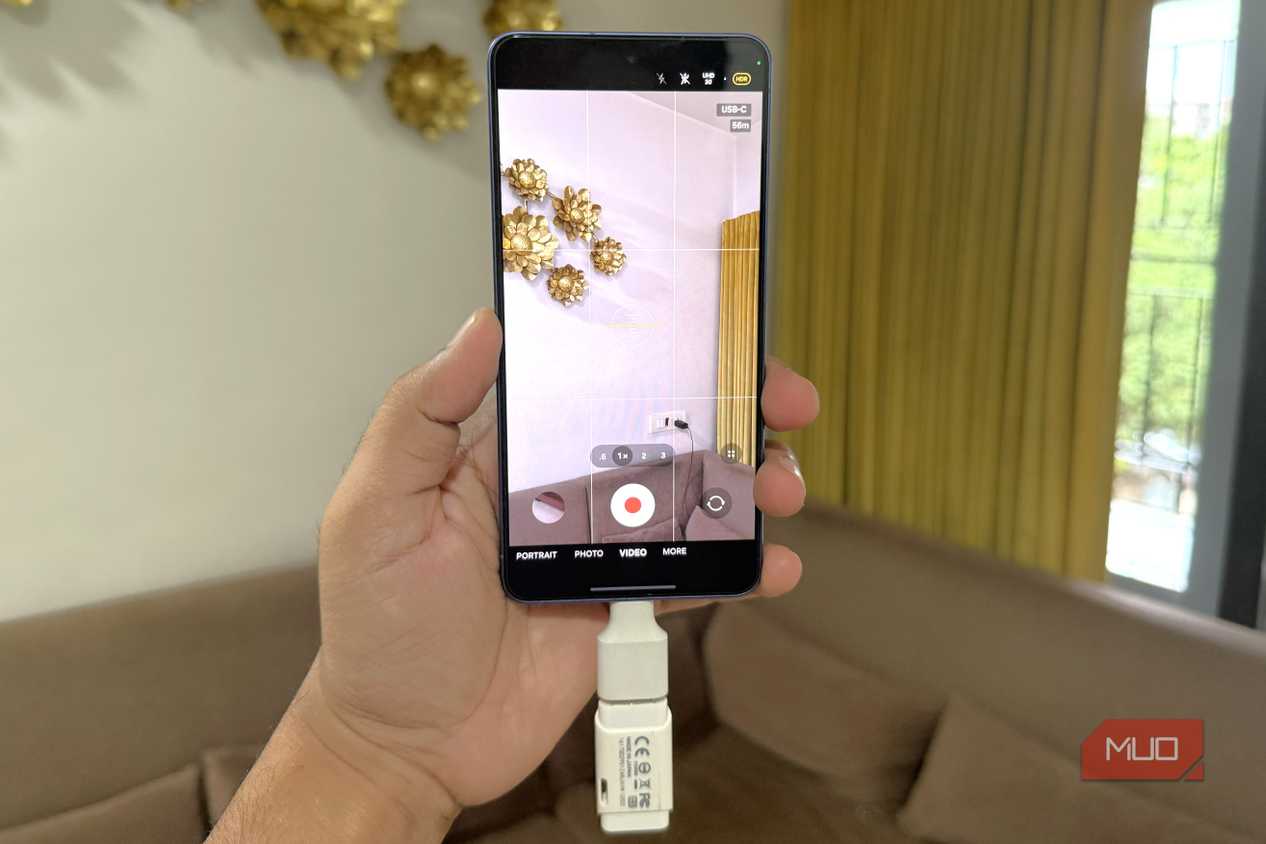
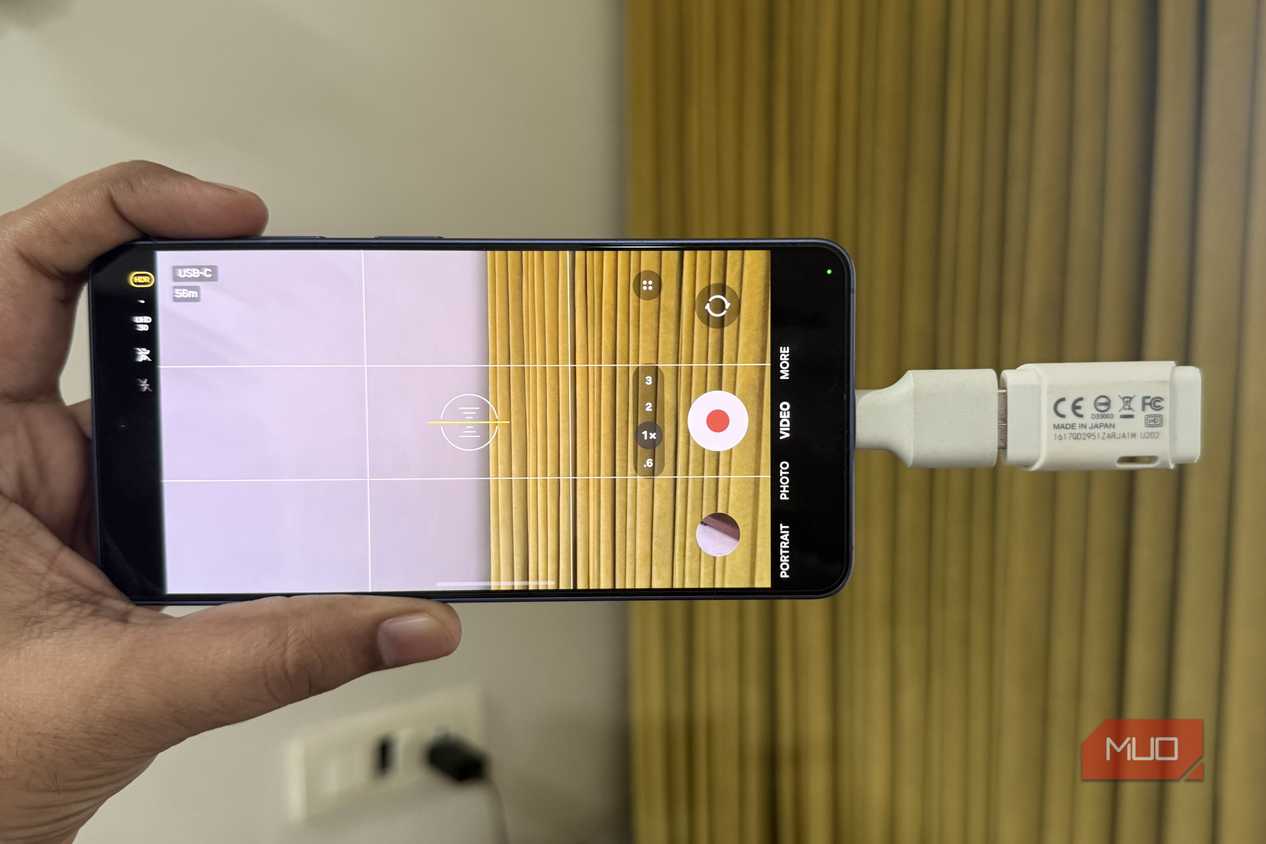
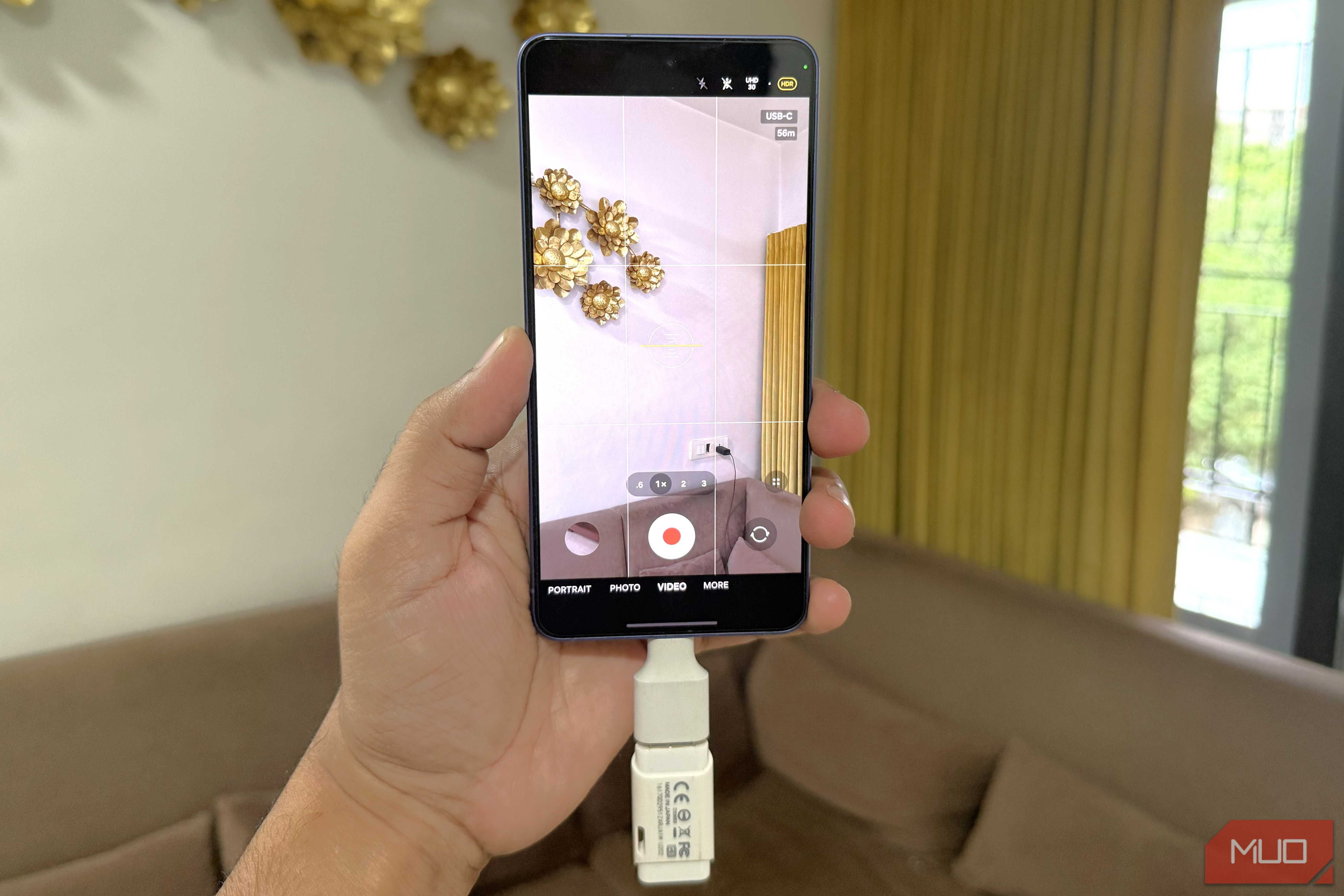
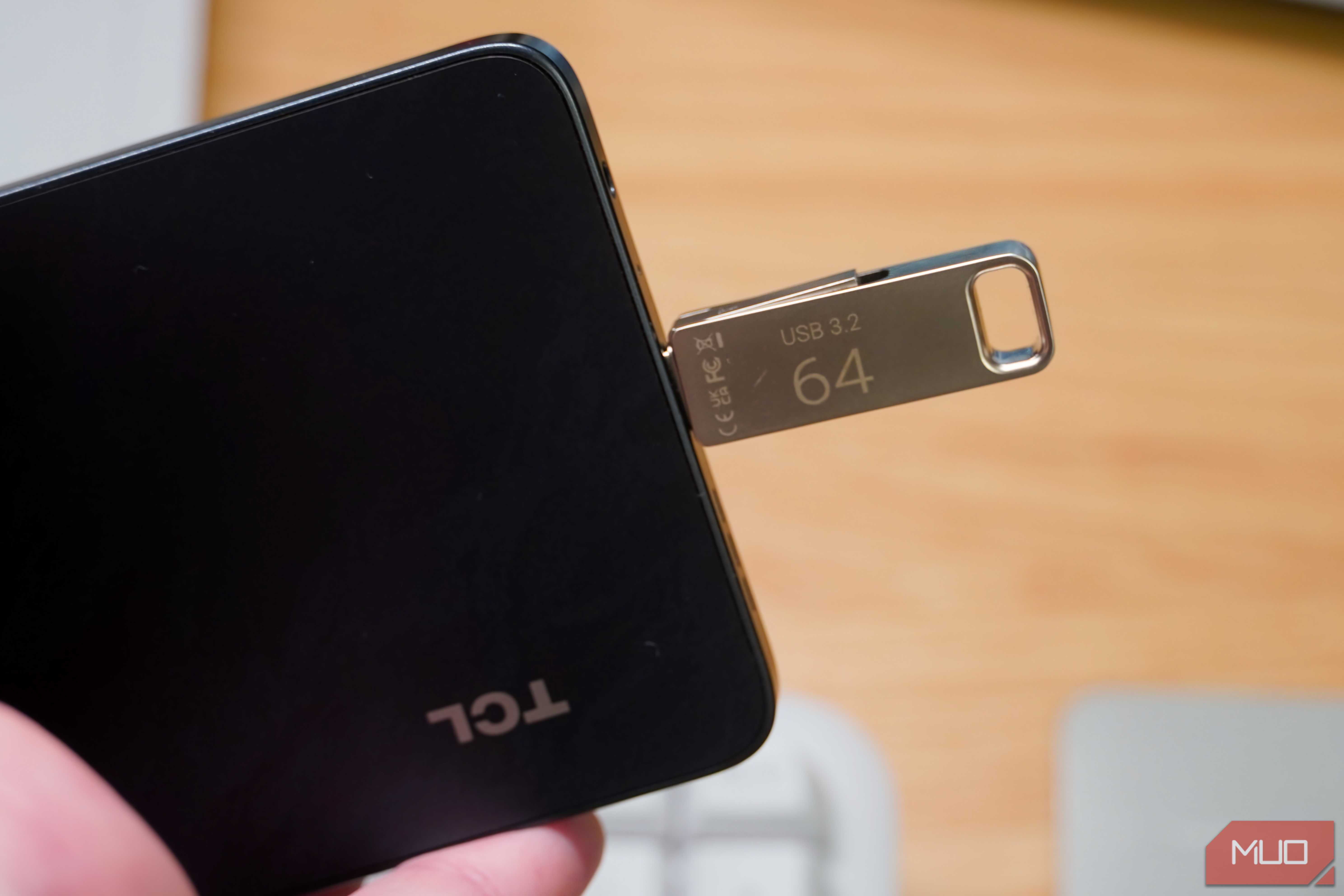
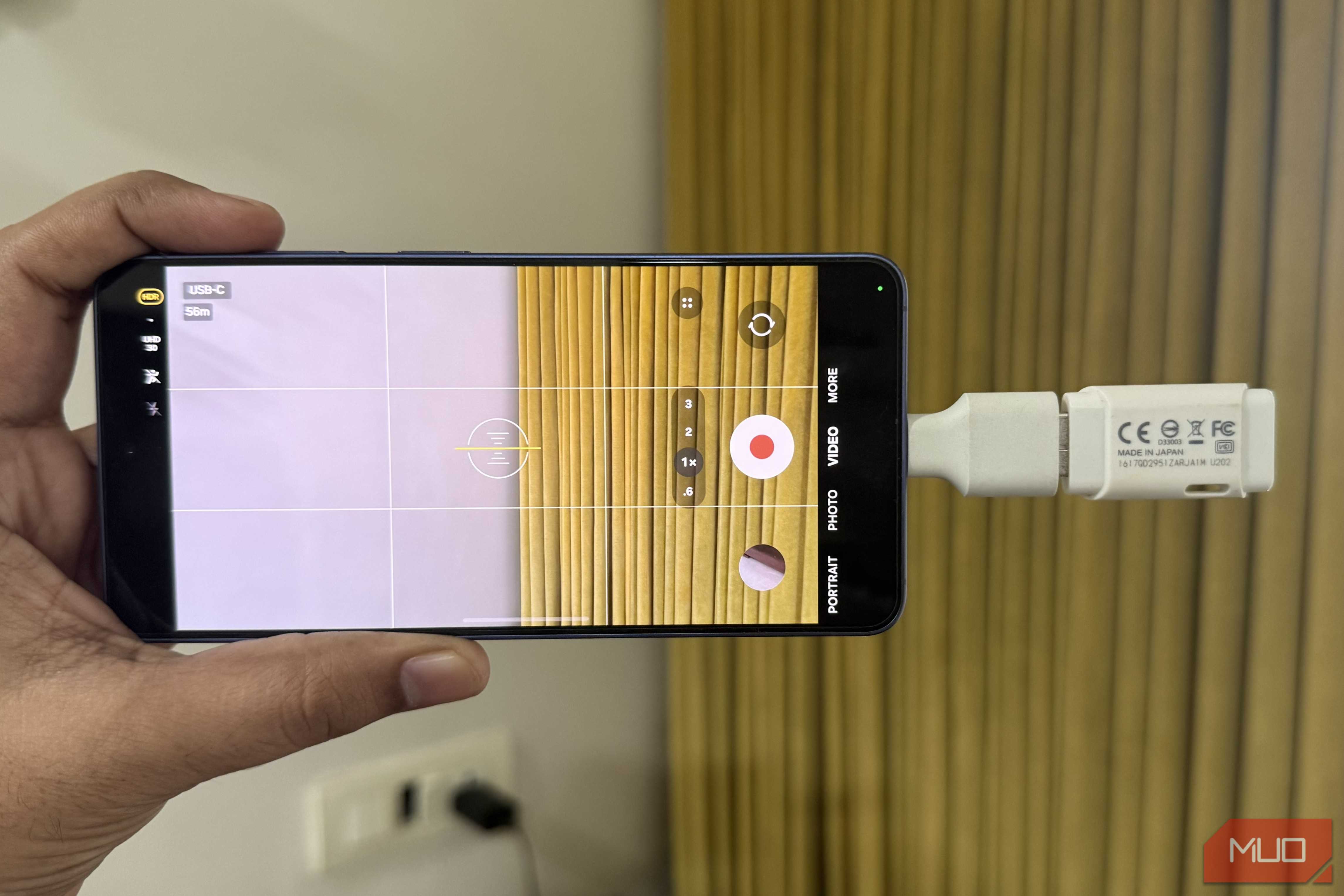
However, I've been proactively maintaining my phone to always have sufficient space available. Apps I use daily, the current batch of photos and videos I haven't sorted yet, messages, and anything time-sensitive stay on the phone. Anything I don't need right now and large files get moved. Once a month, or whenever my storage crosses about 70% full, I plug in a portable SSD I built from a leftover NVMe drive and offload everything older than a few weeks that I haven't opened since it landed on my phone.
For documents, ID copies, tax papers, and files I might need across devices, cloud storage works well enough. It's not as instant as internal storage, but it's far more accessible than a drive that's sitting in my home office. The key is not using the phone as the single place where everything lives forever. A simple habit of periodic offloading keeps things fast and means I'm not scrambling to delete photos when a WhatsApp video refuses to download because there's no space left.
The 256GB rule saves money
Buying the base storage and managing it smart beats paying the premium

My partner's iPhone 14 has only 128GB of storage, and I've seen her struggle with it regularly. Deleting an app to make room for a WhatsApp video, clearing photos just to install an update. A 128GB phone today might not cut it unless you also have a generous cloud storage plan active.
256GB, on the other hand, sits in a sweet spot. It's enough room for a healthy number of apps, a few months of photos and videos, offline maps, and a music library without constantly worrying about space. And the price difference between 256GB and 512GB or 1TB is significant. The Galaxy S25 Ultra at 256GB costs $1,299.99. The 1TB version is $1,659.99, a $360 jump for 768GB of extra storage, which works out to about $0.47 per gigabyte.
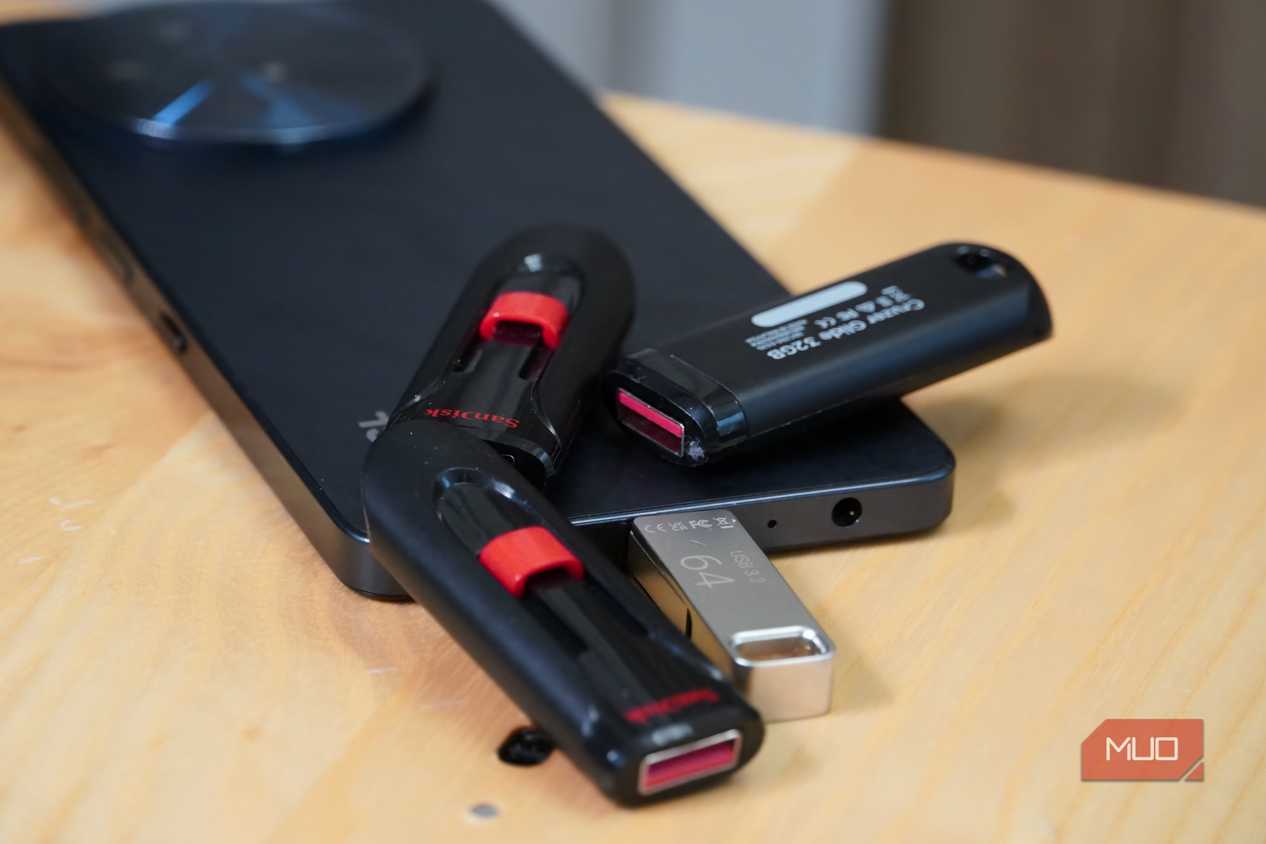
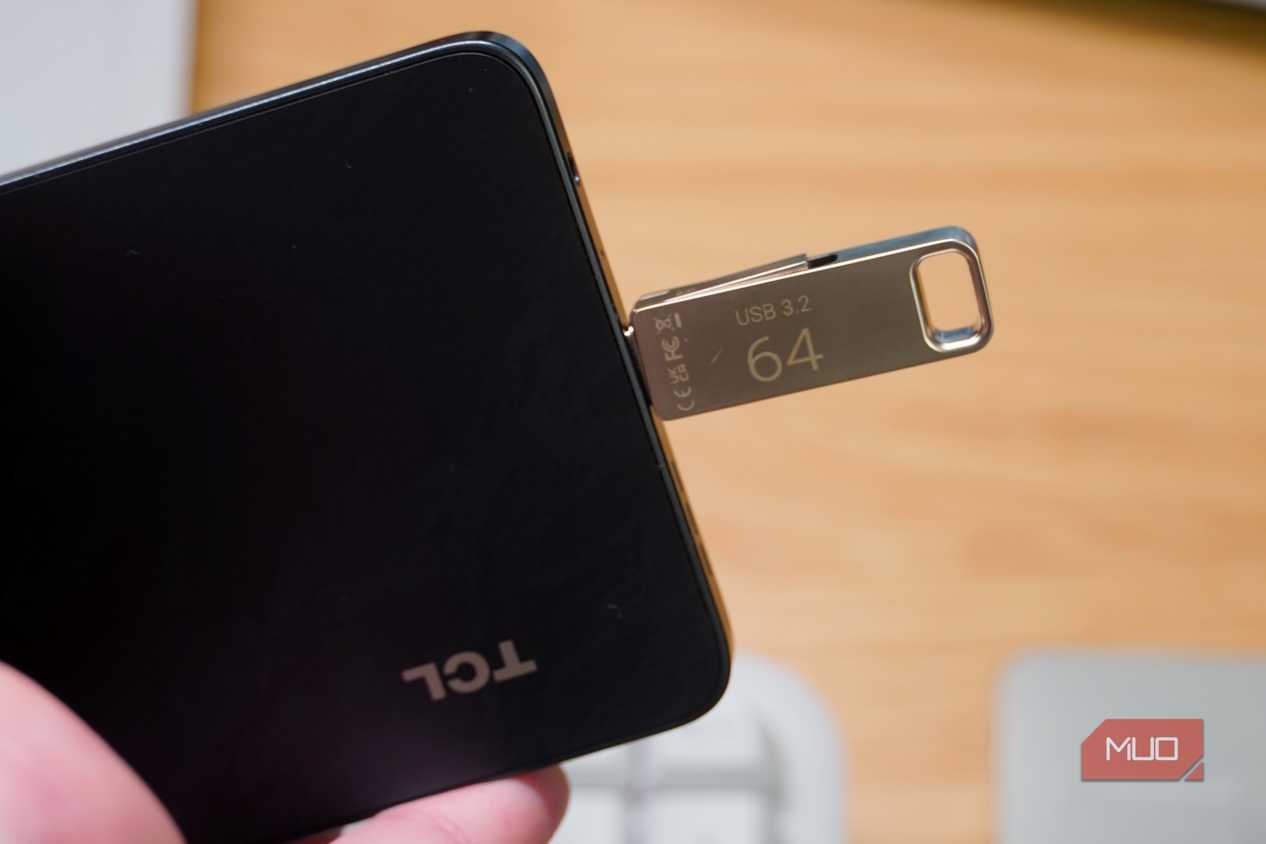
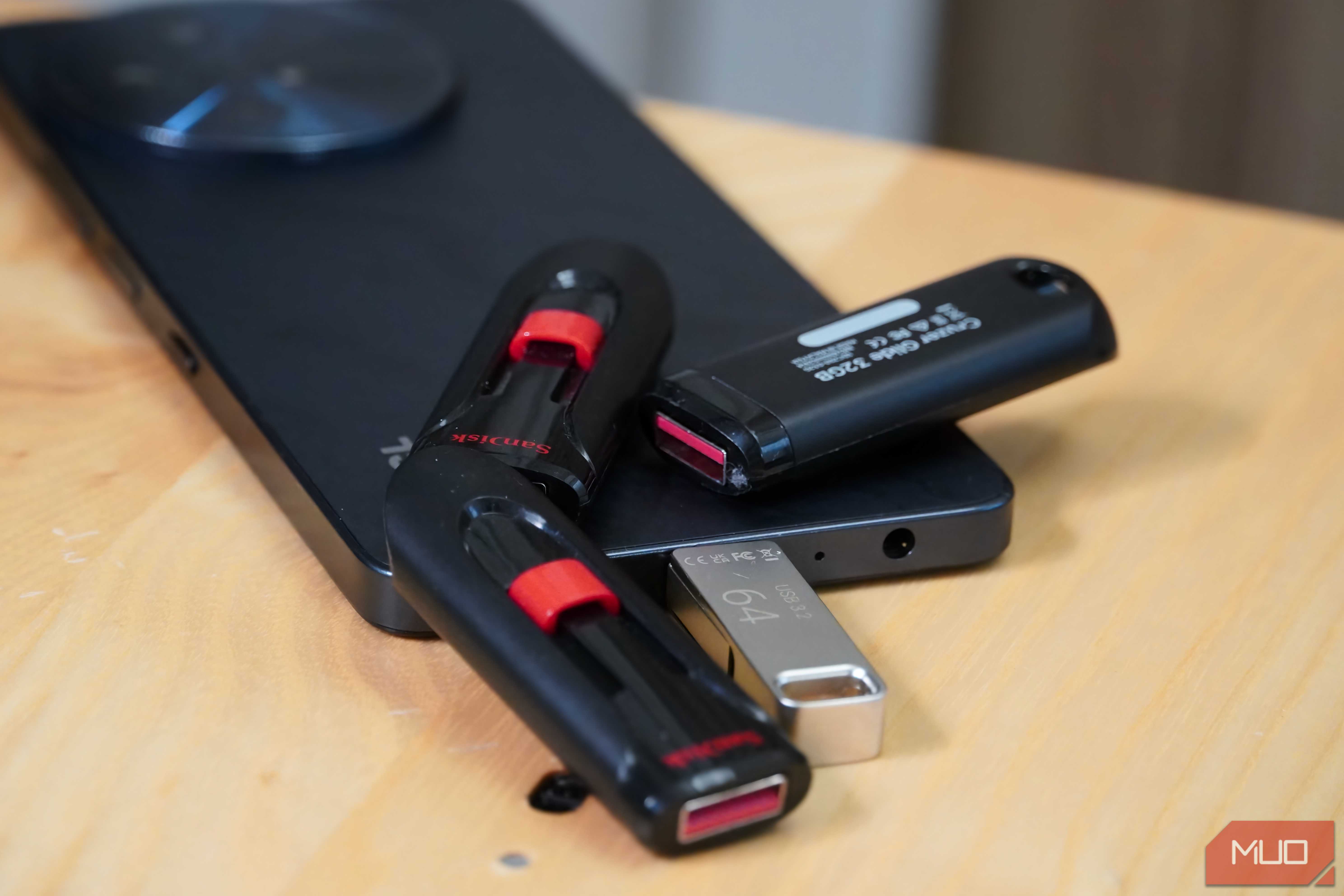
In comparison, a SanDisk Extreme Portable 2TB SSD costs $299, or about $0.15 per gigabyte. Samsung's internal storage markup is roughly three times more expensive than storage on an external drive you can plug into your phone, laptop, or TV.
Instead of splurging on a higher storage variant, buy the 256GB phone, and offload everything else to cheap external storage. You own the drive outright, it works across all your devices, and you're not paying the markup all over again every time you upgrade your phone. The extra storage you paid for on a 512GB or 1TB phone doesn't carry over when you trade it in anyway.
The storage tax is only getting steeper
Phone makers have stripped out expandable storage, turned NAND flash into a high-margin upsell, and the AI-driven memory crunch is about to push those premiums even higher. So we are left with either cloud storage subscriptions, external drives, or just buying less storage and managing it better. None of them are as convenient as popping in a microSD card used to be, but all of them are cheaper than paying $300 to $500 extra for storage soldered to a phone you'll replace in three years. I've been overpaying for 512GB phones I never filled past 256GB, and the math says most people are doing the same.