


My phone often asks for my attention. It's not just social media notifications, either. I find myself picking up and unlocking my phone dozens of times a day, and mostly, it's not on purpose. Then I realized my phone isn't distracting because I'm weak-willed. It's distracting because I have set it up that way.
So, I decided to make some changes. While doing that, I didn't want to turn my Android phone into a completely stripped-down device, either, as I still wanted the convenience of Android's smart features. So, I didn’t make any drastic changes. I simply switched off a handful of settings that I found more distracting than useful.
Unnecessary app notifications
I silenced the ones that don't need my attention

When we open an app, most ask for notification permission. In general, we all have a habit of hitting the Allow button without thinking. Then days or weeks later, we see notifications from a shopping app announcing sales or a game begging you to claim a daily reward. I find this really annoying.
I opened Settings -> Notifications -> App notifications. I reviewed which apps are allowed to send notifications, and switched off the ones that don't need to reach me immediately. I turned off notifications from apps that mostly sent me promotions, shopping alerts, or other updates that I don’t want. I kept notifications enabled for some apps like messages, calls, and banking. After all, they might show me some genuinely useful alerts.
This made a bigger difference than I expected. Now, I’ve stopped responding to notifications simply because they appeared.
Home screen suggestions
I stopped my home screen from filling itself with distractions

I like having a clean home screen. This makes my phone feel more personal. But, we all know how Android's suggestions can gradually turn it into something that feels more active than intentional.
The swipe-right panel on my home screen (Google Discover on most phones, Samsung Free on some Galaxy models) shows me articles based on whatever I searched last Monday. It sits just one swipe from my screen that I see dozens of times a day. This got me into a habit loop, which led to unintentional screen time.
If you own a Samsung smartphone, you can long-press an empty area on the home screen. Then, tap Home screen settings -> Suggestions and switch off the left-panel feed. On a Pixel, you have to long-press an empty area of the home screen, tap Home settings and toggle off Swipe to access Google app.
Now, my leftmost screen is free for something I want, like a calendar or notes widget.
Personalized recommendations
I removed the recommendations that kept tempting me
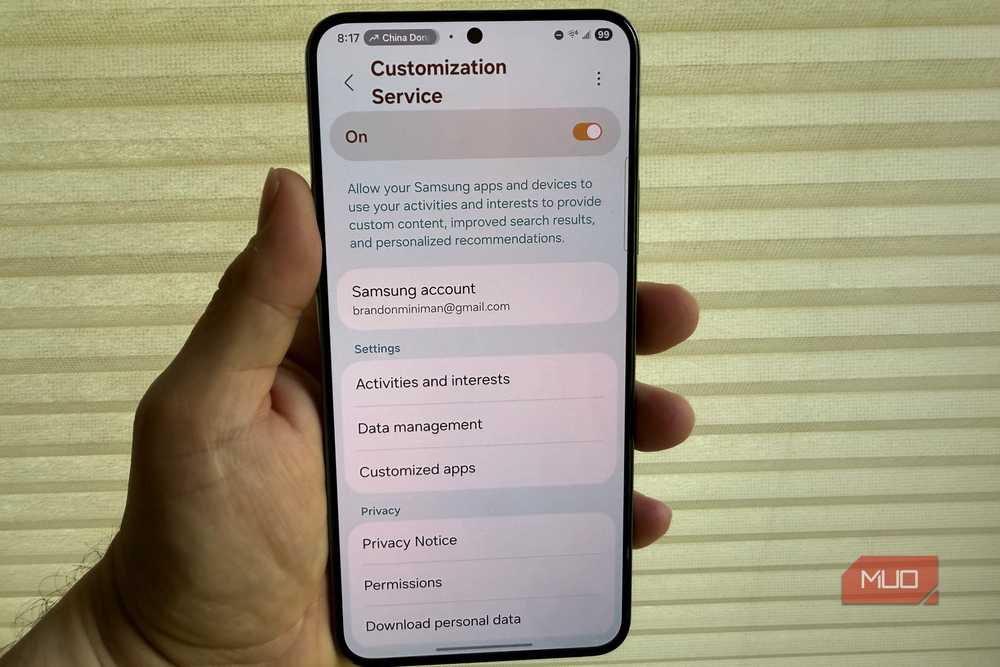
Personalized recommendations can be useful, but they can also turn your phone into a stream of useless suggestions. Google uses your activity to curate ads, Discover cards, Play Store suggestions, and YouTube recommendations that suit your preferences. The more you tap, the better your phone gets at serving personalized content. Of course, I can’t stop that algorithm, but I can stop my phone from predicting what I might want next.
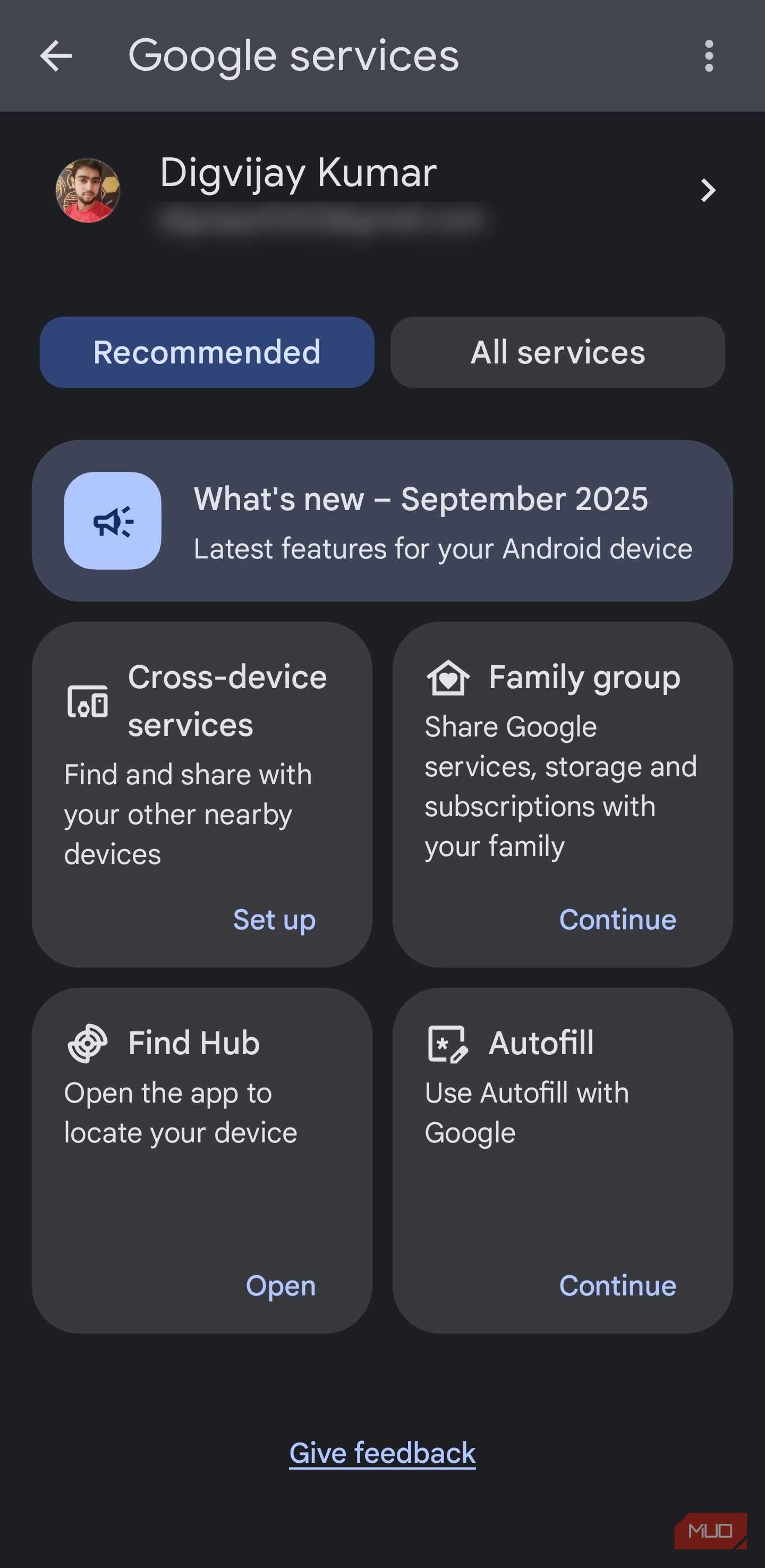
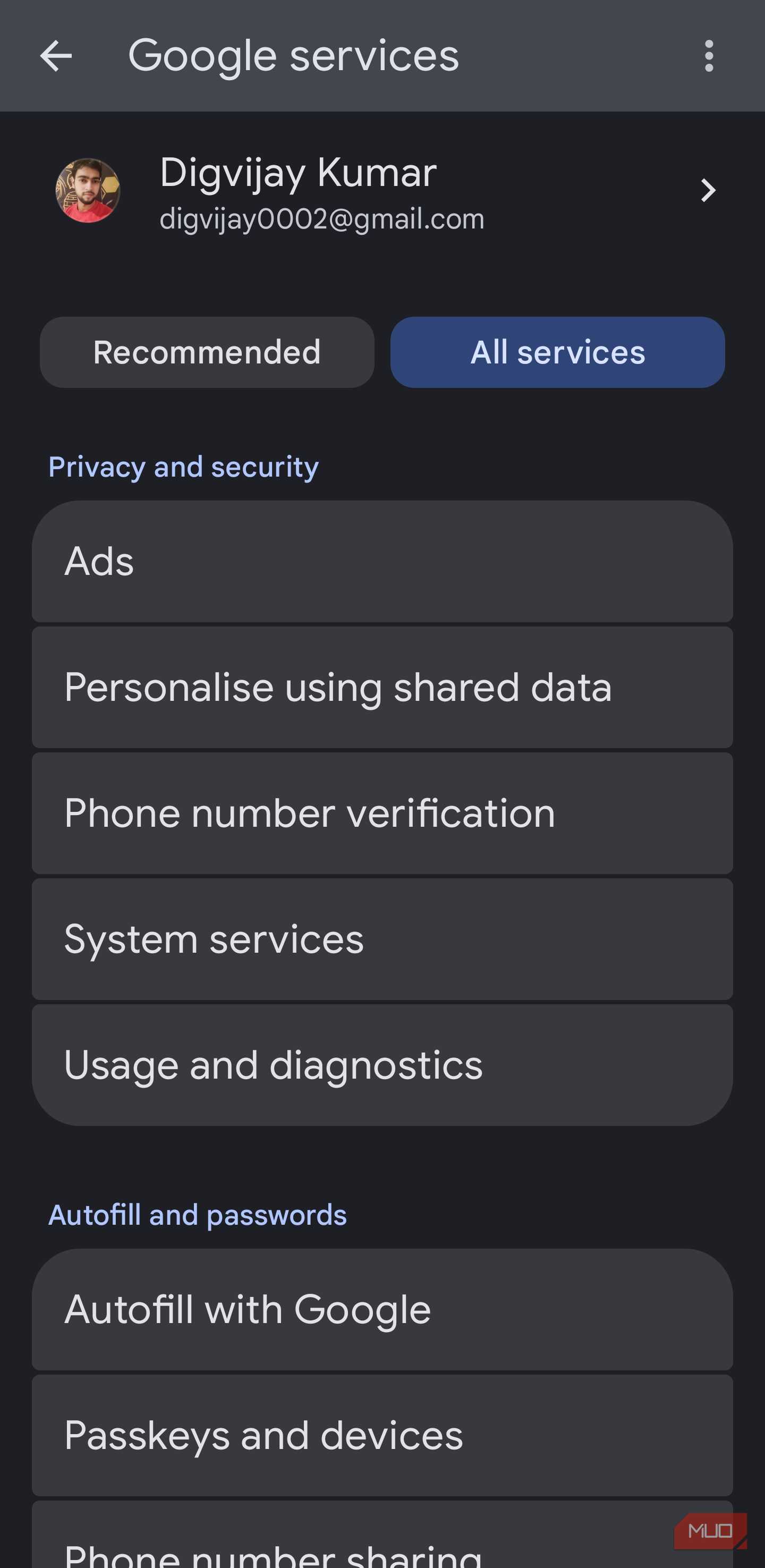
To do that, you can visit Settings -> Google (or Google Services) -> All services and find activity controls. Samsung users can also check Settings -> Privacy -> Customization Service. This option tailors suggestions inside Samsung's own apps.
App Suggestions & Predictions
I stopped Android from guessing which apps I’d open


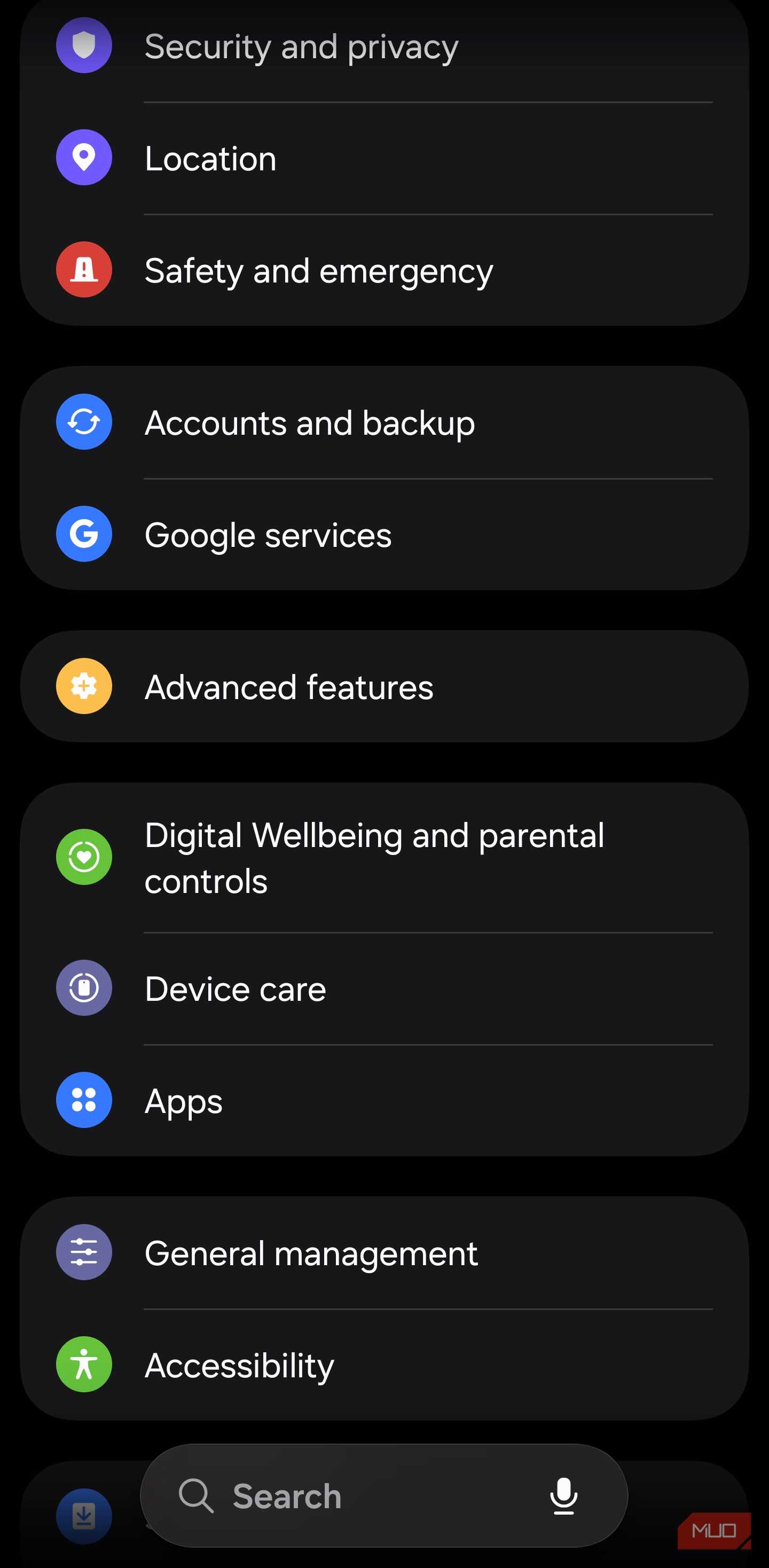

Android constantly tries to predict what I might want to open next. It shows me predicted apps in the app drawer, suggested apps in search, share sheet shortcuts, and Play Store prompts. For instance, my phone knows that I open a social app at 9 p.m., so it happily puts that app front and center at 9 p.m. My phone predicts what I might want before I've even decided. When this happens, I'm more likely to follow its suggestion rather than actually thinking about what I actually picked up the phone to do.
Of course, these suggestions can be useful if you want to quickly access frequently used apps. But if your goal is to make your phone less distracting, I would recommend turning them off. If you’re a Samsung user, go to Recent screen, tap on the three dots, then select Settings and toggle off the Show recommended apps option. On Pixel phones, long-press the home screen, choose Home settings -> Suggestions, and then disable Suggestions on Home screen.
Once I turned this off, my recommendations became generic, which turned out to be helpful. That’s because I find generic content less compelling, so I scrolled less.
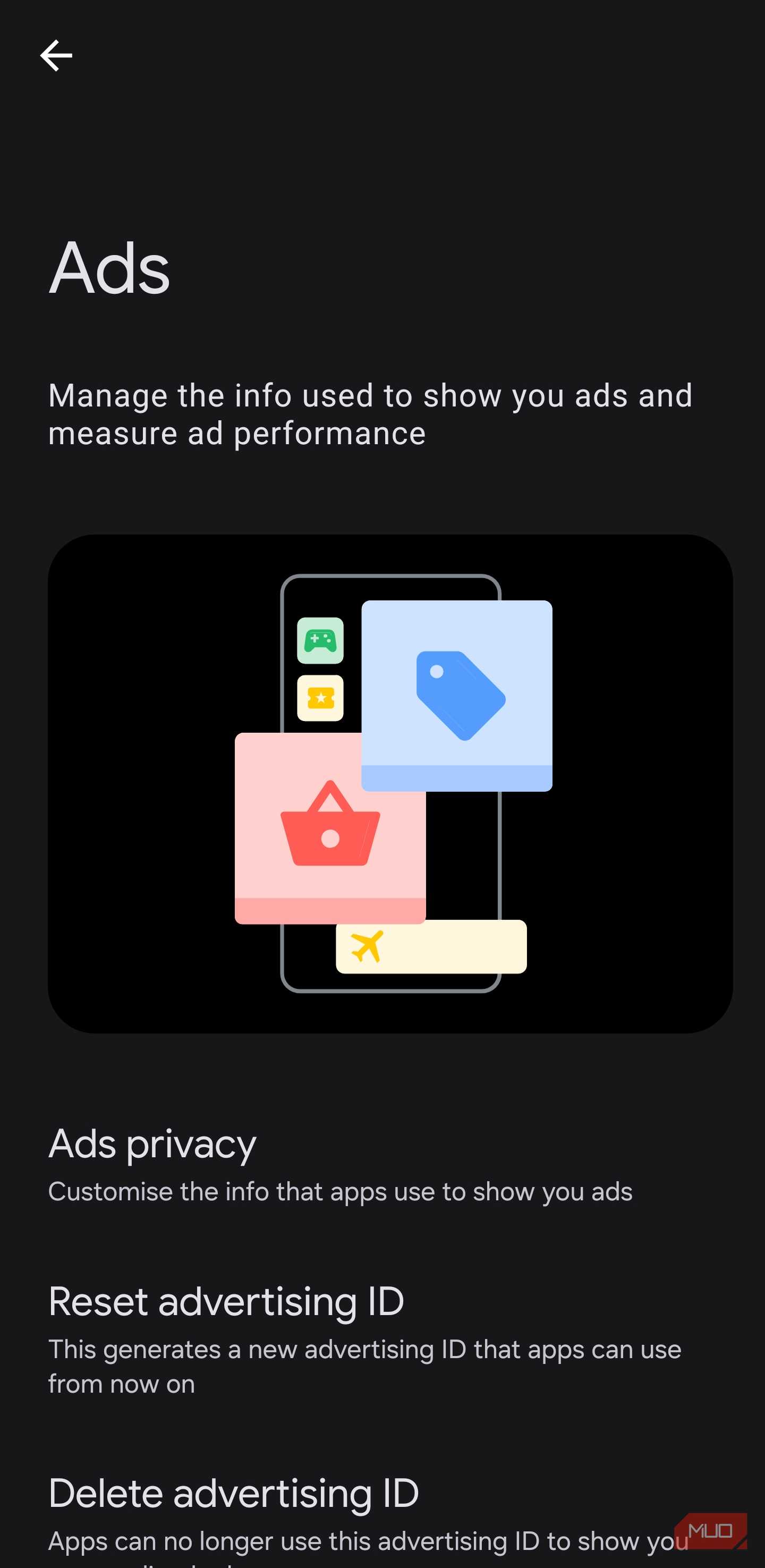
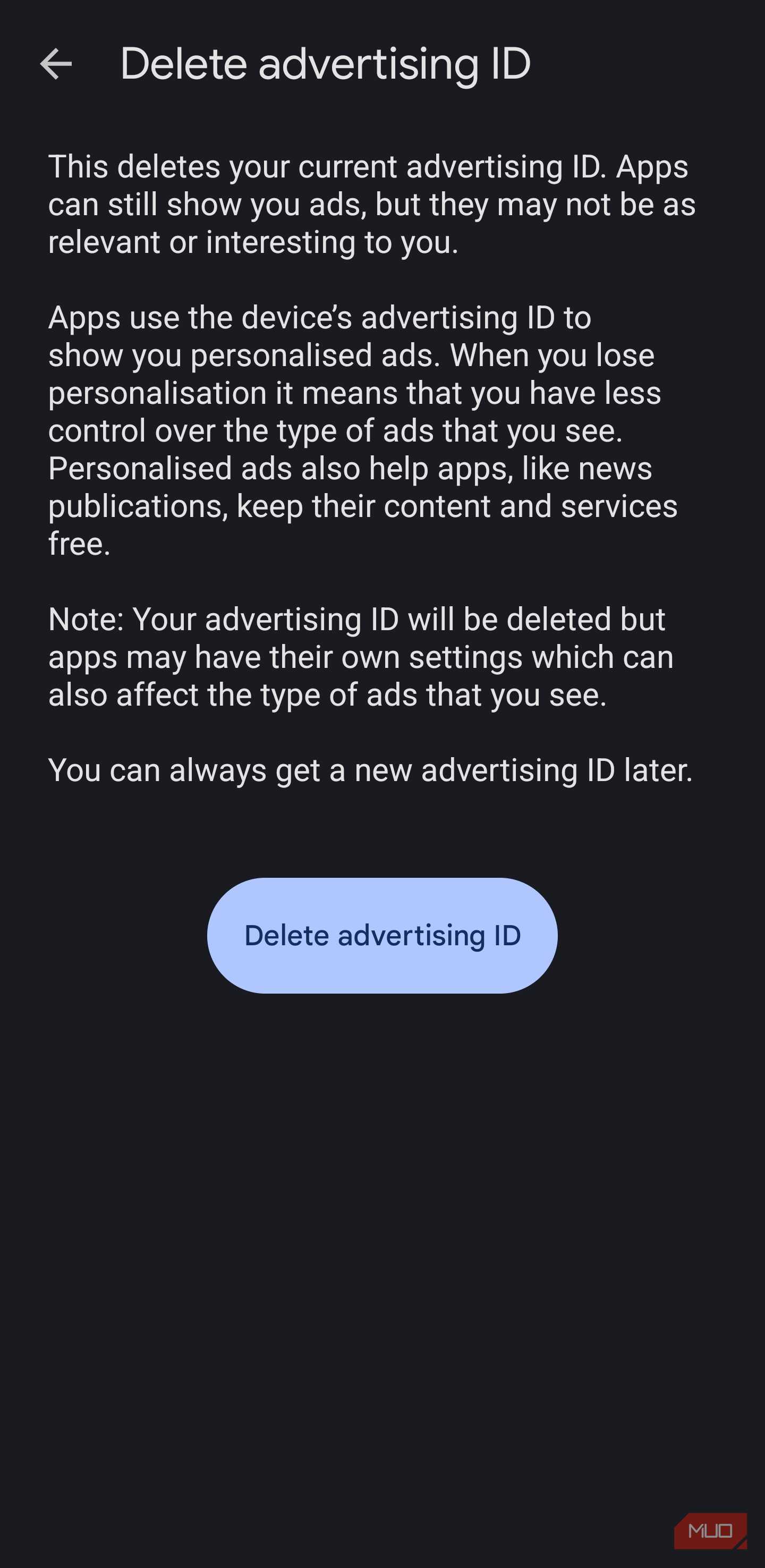
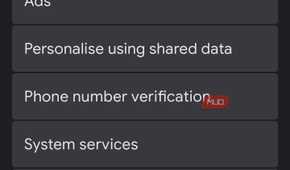
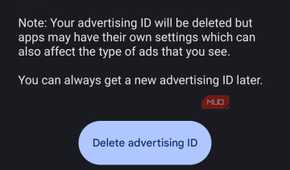
If you don’t want apps to show relevant ads and sponsored content, you can delete your Advertising ID. Go to Settings -> Google -> All Services -> Ads -> Delete Advertising ID and confirm your decision.
Limited lock screen notifications
I stopped my lock screen from showing me everything

I feel my lock screen is one of the biggest sources of accidental distractions. After all, I could see notifications without actually intending to check my phone. I can recall a number of times when I'd pick up my phone to check the time and immediately get lost in a collection of notifications. It doesn’t matter if they weren't urgent. Only their presence made me want to unlock the phone and find out what was waiting for me. That one second thing could easily eat up twenty minutes of my time.
Thankfully, Android allows me to disable or limit my lock screen notifications. Depending on the device you own, go to Settings -> Notifications -> Notifications on lock screen or find a similar option. Now when you glance at your lock screen, it shows you the time, plus a call or direct message if one arrives. No other notifications are left competing for your attention. This can make your Android phone feel much calmer.
I didn’t want to turn off lock screen notifications entirely. I only limited what could appear on my screen, so I disabled sensitive content from appearing right on my lock screen. This way, my message previews will stay hidden until I unlock my phone. That has made my notifications less tempting and more private.
Give it a try and see how it works for you
I didn’t turn my phone into a minimalist device; that wasn’t even my intention. After making these changes, I get less distracted by my phone, and that was the whole point. If you also feel like me, you can try this as a one-week experiment. Don't go overboard and change everything at once. Rather, pick one setting a day and check how many times you unlocked your phone (Digital Wellness could be your friend). That’s how I did it.
If you genuinely missed something, you can always revert your changes. In my case, the list was quite short.