


Windows on Arm wasn't a serious alternative to the x86 version until very recently, but the script has completely flipped. The latest laptops powered by Qualcomm's Snapdragon X series and Nvidia's RTX Spark series aren't just rivaling Intel-based systems — they're better for the average user. Laptops running on Arm chipsets aren't perfect, though. App and game support are still iffy, and mainstream Linux support has been all but nonexistent on Snapdragon laptops since their 2024 breakthrough.
That's finally changing, because Qualcomm is here with an early developer preview of Linux support for Snapdragon chips. Specifically, it's upstreaming the drivers for the GPU and NPU of the Snapdragon X2 series, giving tinkerers and developers the tools they need for Linux building. You can try Linux on Snapdragon X2 laptops today, and official support isn't far behind. Debian support is planned before the end of this year, and Canonical is set to bring Ubuntu support in the first half of 2027.
In the process, Qualcomm is removing one of the largest barriers to buying Snapdragon laptops.
Snapdragon laptops have a Linux problem
But we'll have one less reason to avoid them soon
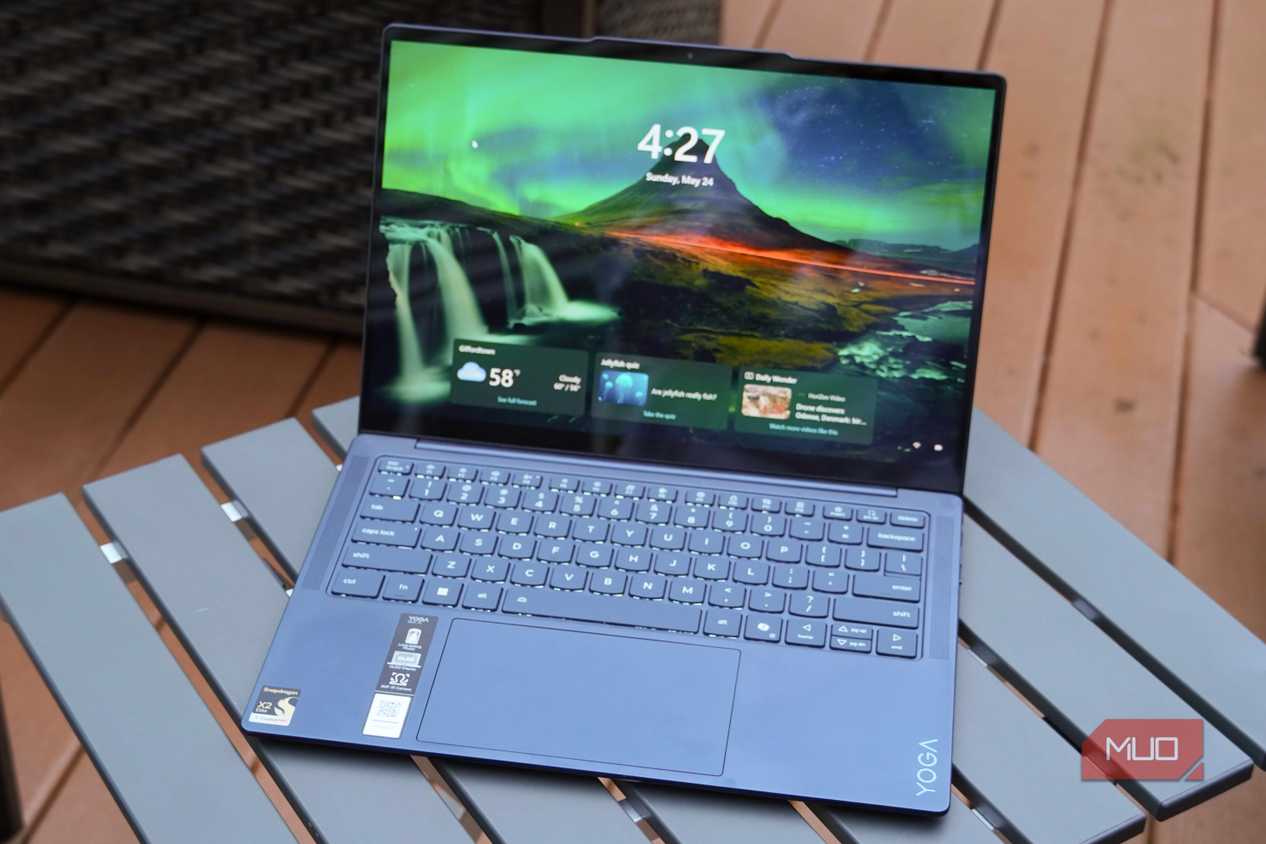
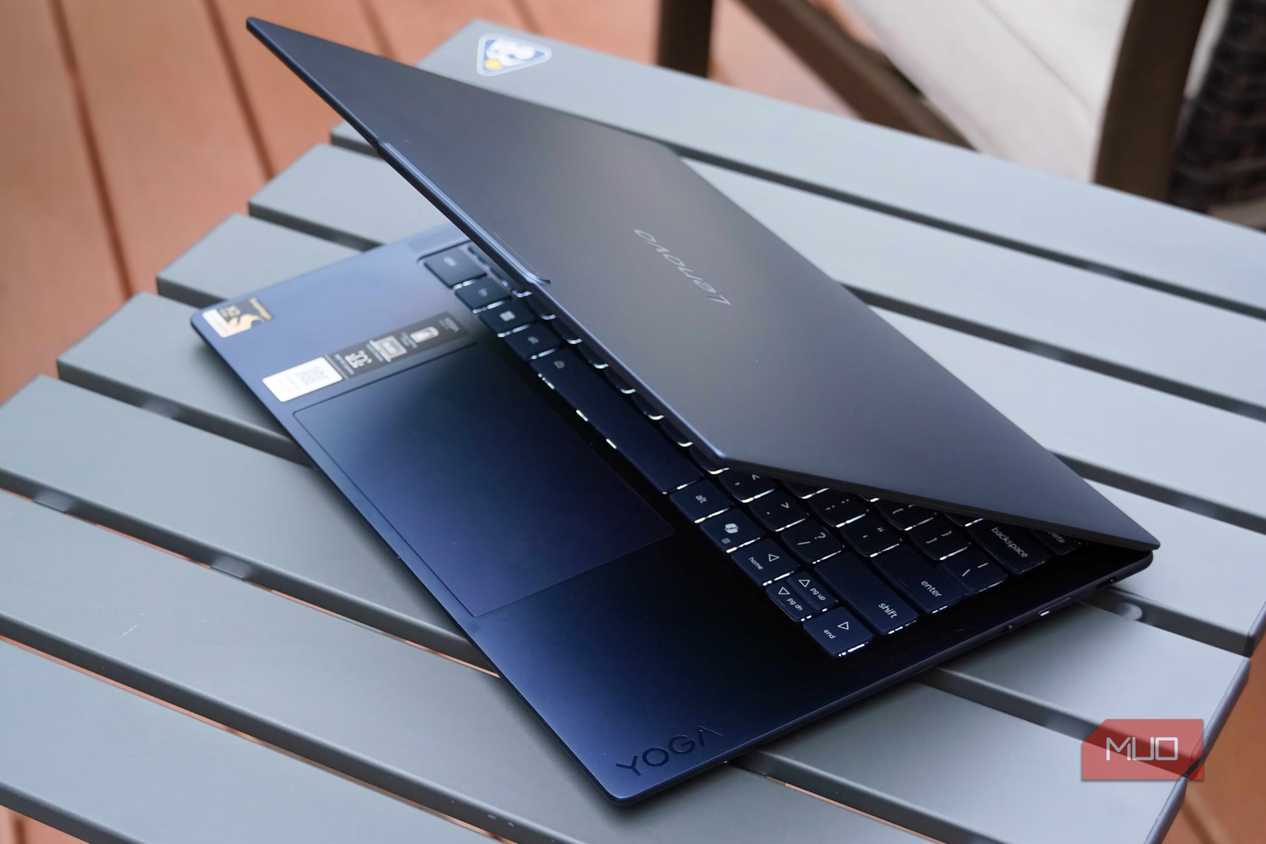
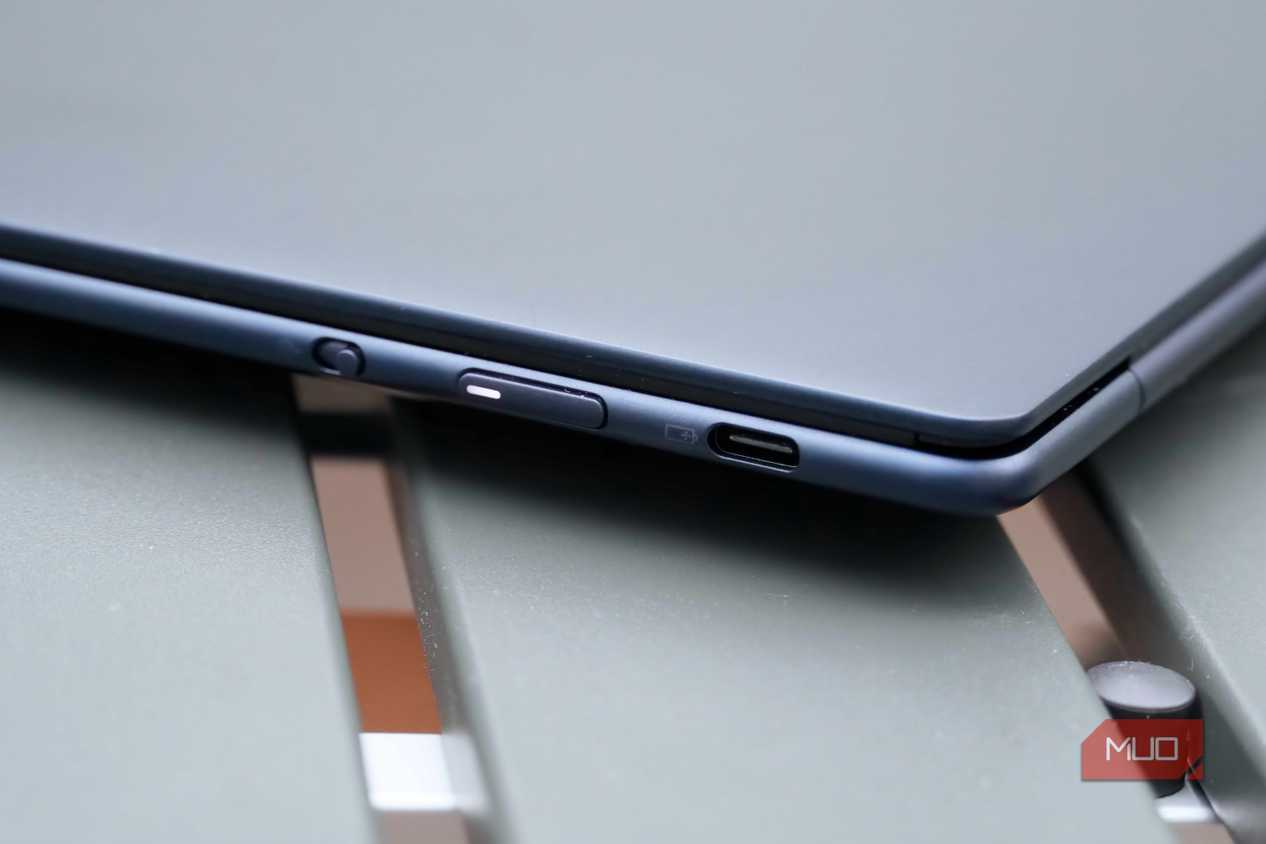
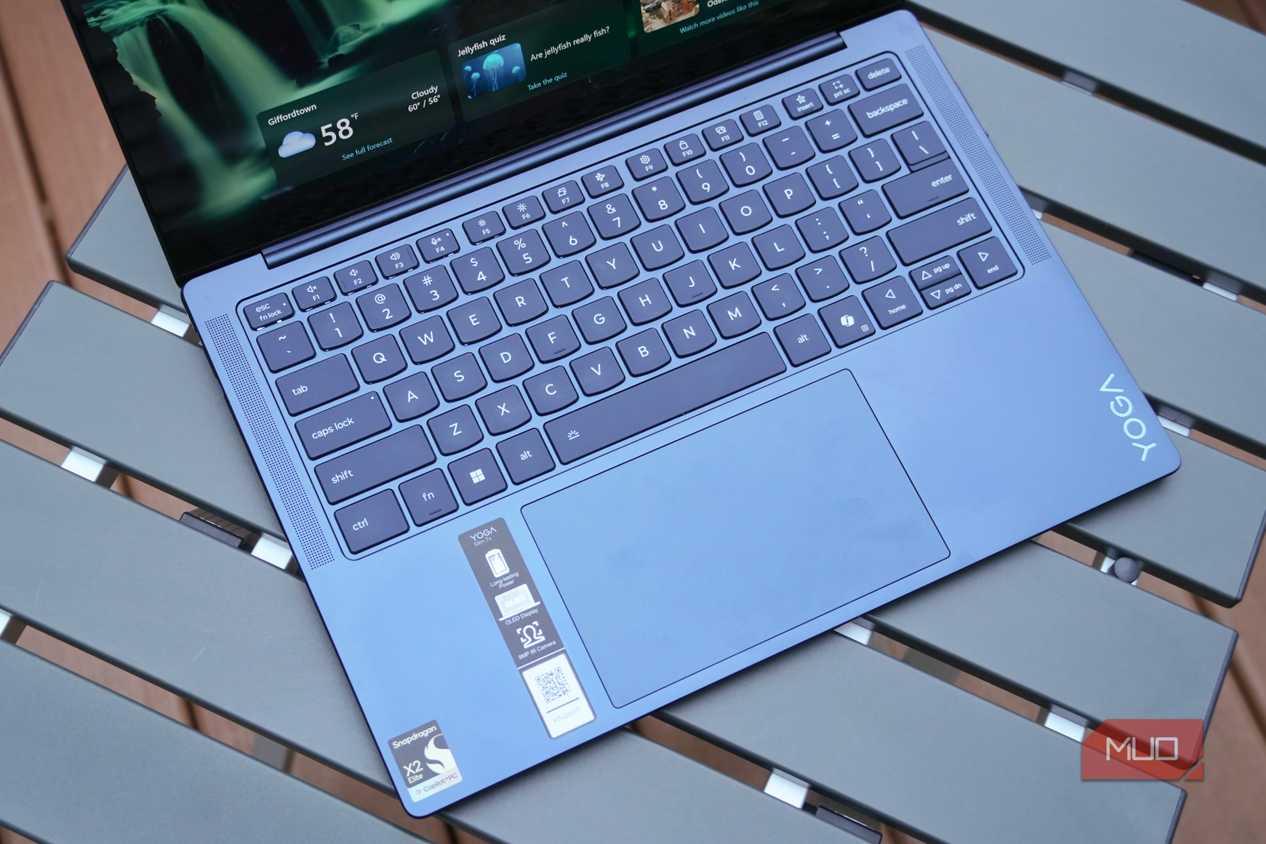


 Credit: Brady Snyder / MakeUseOf
 Credit: Brady Snyder / MakeUseOf
 Credit: Brady Snyder / MakeUseOf
 Credit: Brady Snyder / MakeUseOf
 Credit: Brady Snyder / MakeUseOf

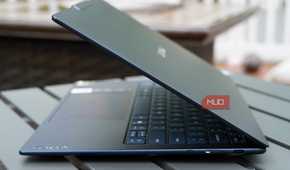
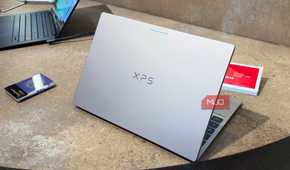
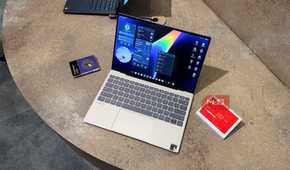
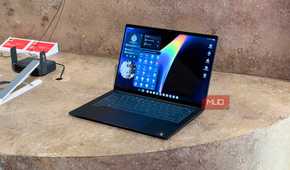
A Snapdragon X2 Elite-powered laptop running Windows 11.
Linux support for Qualcomm chips has always been a possibility. Arm-based Snapdragon chips have powered Android devices for many years, and Android is built on top of the Linux kernel. When Qualcomm teased earlier this year that Snapdragon chips would power Googlebooks, things got more intriguing. Googlebooks run Googlebook OS, which uses the Android tech stack and a Linux subsystem.
Linux fans have managed to get certain distros running on specific Snapdragon laptop models, with varying results. So far, the process required manually extracting firmware from official Windows on Arm builds. It certainly wasn't official Linux support. While Arm-based chips are known for their superior efficiency compared to x86-based systems, Windows 11 isn't known for being an efficient operating system.
This explains why Snapdragon laptop owners wanted official Linux support for their machines — the best chipset and operating system combination for efficiency and battery life might just be Snapdragon X series chips and a Linux distro.
Unfortunately, the project is limited in scope. It won't work with the first generation of Snapdragon X chips, or desktop computers powered by Snapdragon silicon. Only users with a Snapdragon X2 series laptop will benefit from the early developer preview.
Debian and Ubuntu compatibility is on the way
You can try a Linux developer preview on Snapdragon today

It'll be a while before you can install Linux on Snapdragon laptops with a one-click solution, but work is starting now. It begins with low-level system-on-a-chip enablement. Qualcomm is providing the drivers needed to fully unlock Snapdragon chips on Linux, including their NPU and GPU. You'll no longer need to use out-of-tree patches to run Linux on Snapdragon X2 series laptops.
Instead, the Snapdragon X2 series will have the UEFI support needed to boot Linux, with the I/O drivers necessary to connect peripherals. You'll be able to use a desktop user interface, GPU processing, and browser acceleration. Local AI workloads will eventually be able to use the Snapdragon X2 series' NPU for inference workloads, according to Qualcomm.
Qualcomm is sharing Linux Debian images on Github, and Linux fans on Snapdragon laptops can try them now. Enthusiasts can build the Linux kernel with custom software components before flashing it on a Snapdragon X2-powered laptop. At this stage, it's still a community-driven project, and Linux experts can help validate what works and point out what doesn't. For those interested, Qualcomm has official Linux documentation for Snapdragon X2 laptops.
It'll only get easier to run Linux on Snapdragon laptops in the future, with Qualcomm buying in and enabling upstream driver support. In fact, we could see laptops shipped with Linux pre-installed. HP, Asus and Humain are slated to support Linux in the first half of next year. Debian is coming before the end of this year, with Ubuntu to follow.
You'll soon have three desktop OSes to choose from
Snapdragon laptops run Windows and Googlebook OS, and soon, Linux

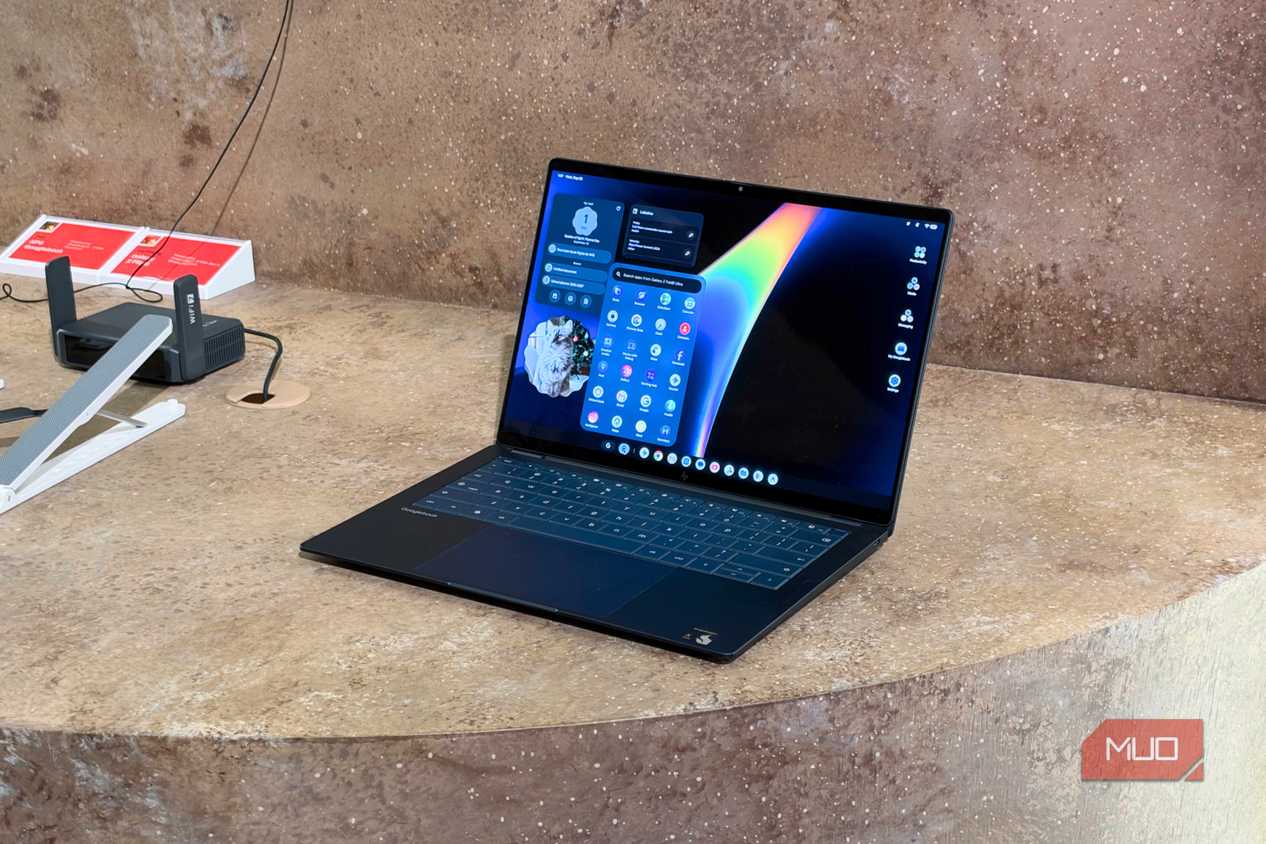
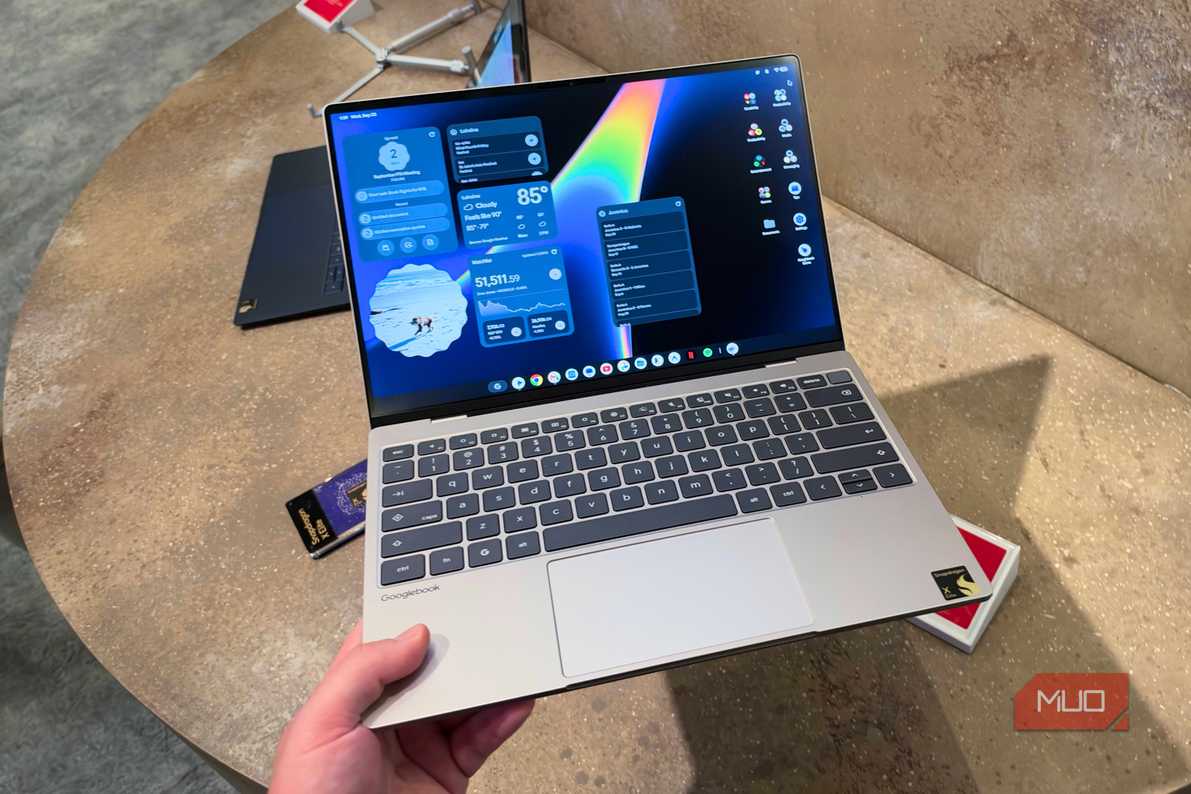
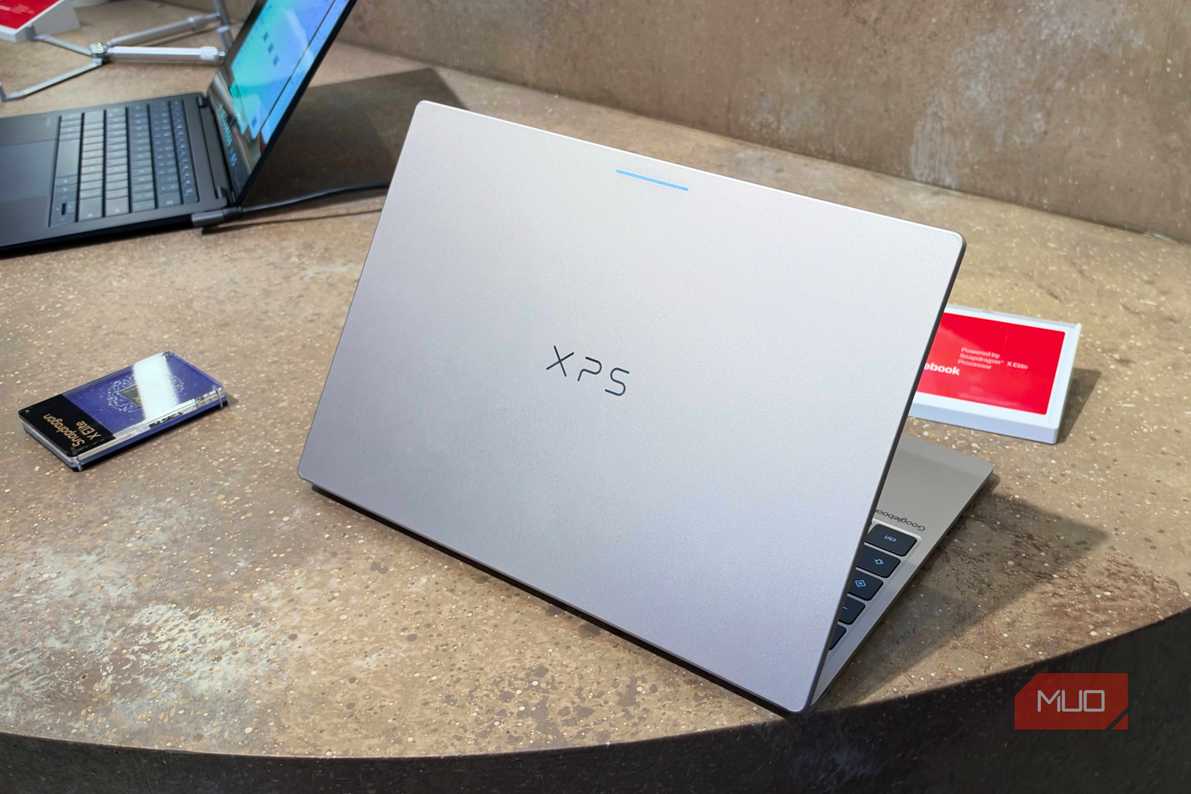


 Credit: Brady Snyder / MakeUseOf
 Credit: Brady Snyder / MakeUseOf
 Credit: Brady Snyder / MakeUseOf
 Credit: Brady Snyder / MakeUseOf
 Credit: Brady Snyder / MakeUseOf
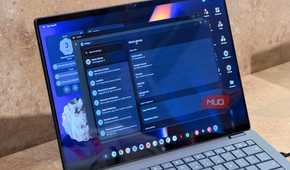
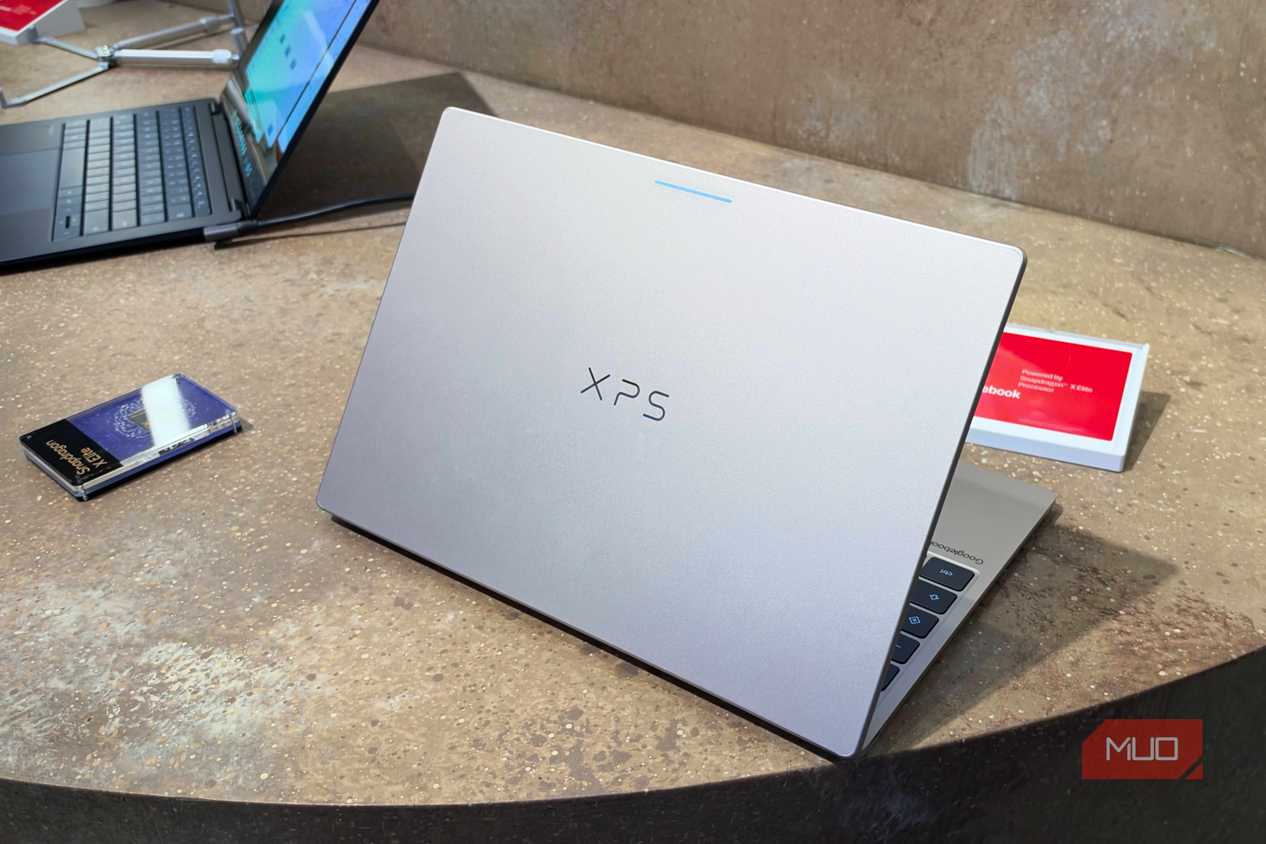
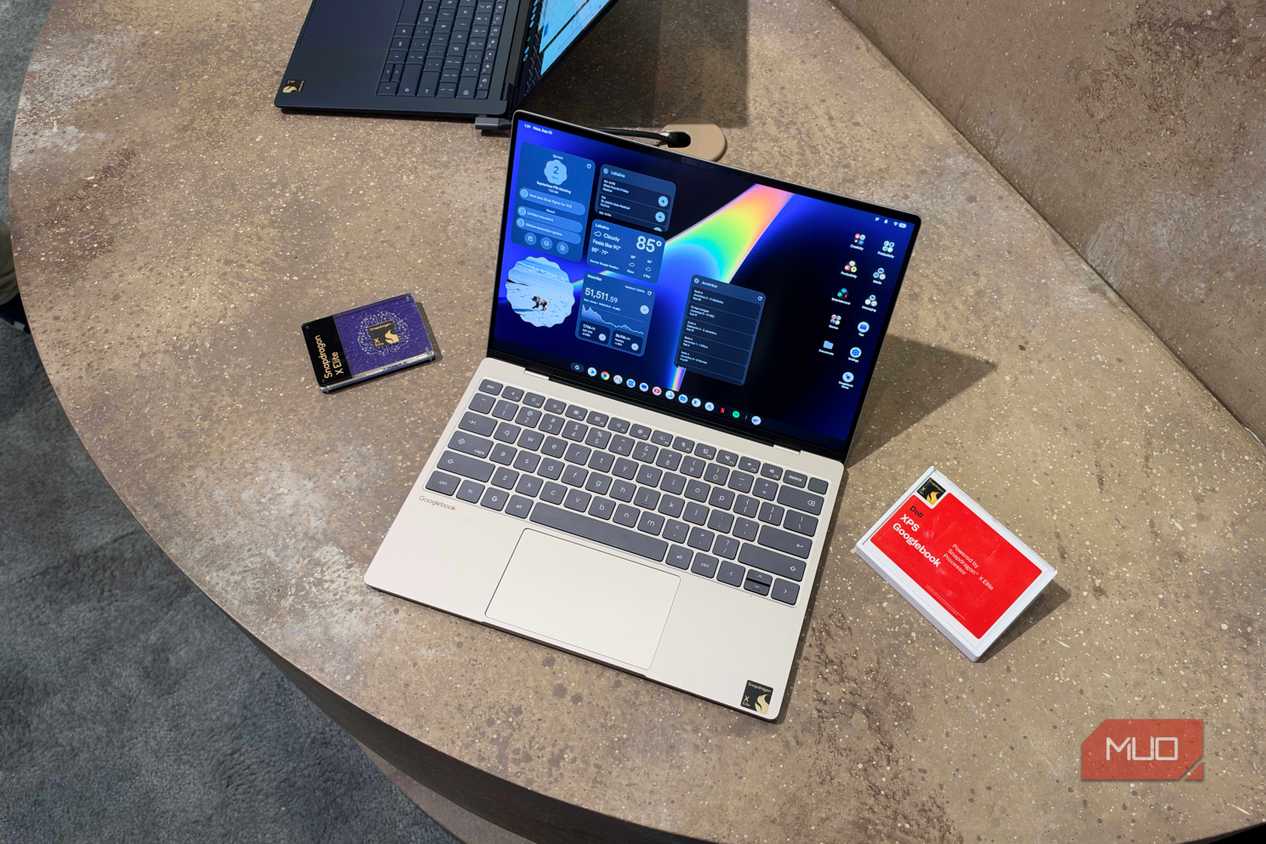
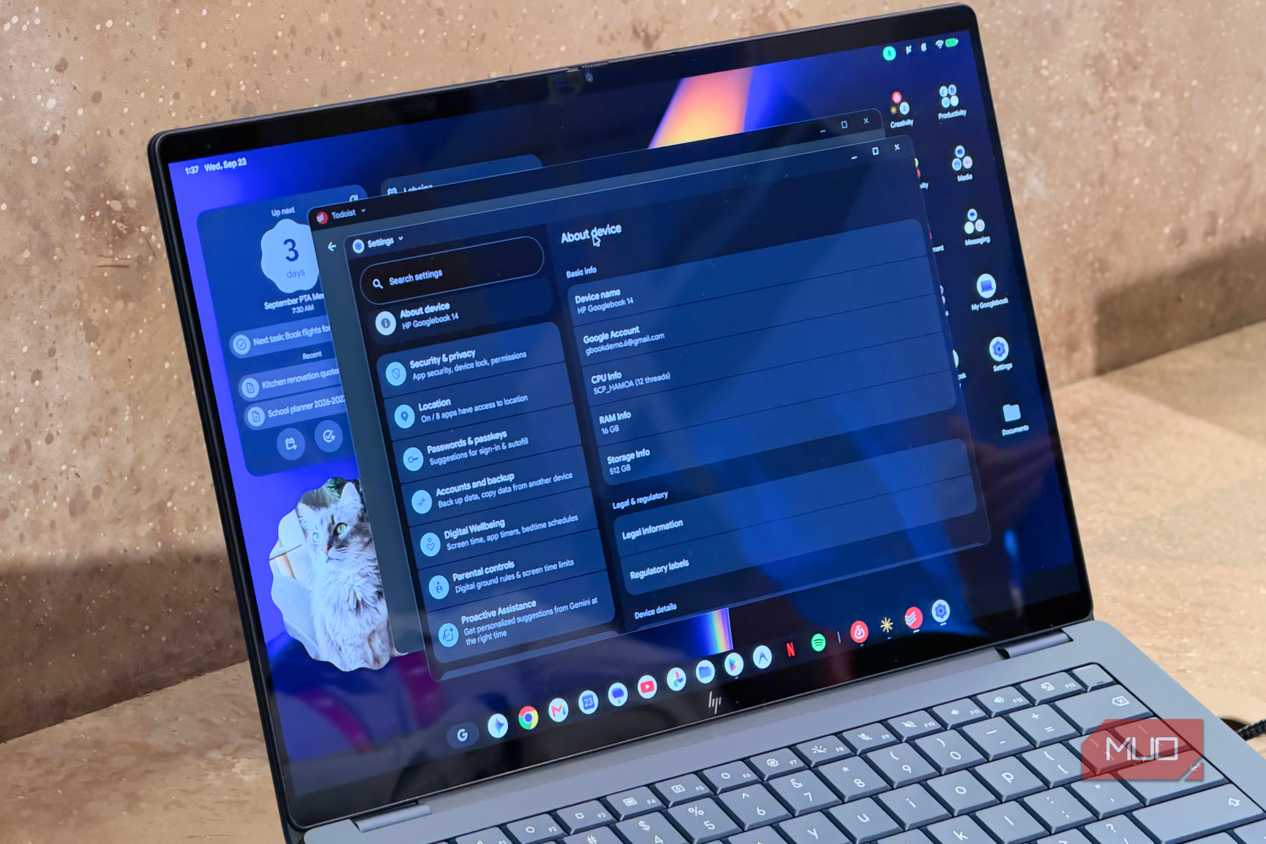
A Snapdragon X Elite-powered laptop running Googlebook OS.
We're not far off from a PC landscape that includes Arm-based laptops running Windows 11, Linux, and Googlebook OS. While Linux support on Snapdragon laptops is still in its infancy, Qualcomm's partnership with Canonical is a big deal. Canonical, the publisher of Ubuntu — one of the most popular Linux distros — could release a one-button installer for casual users down the road.
There are a few reasons to skip Snapdragon laptops in 2026. Some users rely on software that can only run on x86 chipsets. Gamers will find that the library of titles that run (and run well) on Arm chips is still quite limited. And as of now, those that prefer Linux to Windows and want a plug-and-play solution for switching operating systems need to stick with Intel.
That's finally changing, and in the near future, there'll be one fewer reason to pick x86 over Arm.