


My Ryobi ONE+ circular saw started acting its age last month. Crosscuts in 2x4s slowed to a crawl, the kerf smoked, and a pack that used to last an afternoon quit after a couple dozen cuts. My first suspect was the battery, even though I'd already argued that a bigger Ryobi battery rarely fixes the problem you think it will. My second was a brushless upgrade.
Neither was the problem. The real culprit was the stock 18-tooth blade, worn down by years of odd jobs, and a cheap new one fixed it. Then I went hunting for the same issue around the garage and turned up three more cases.
A dull blade makes a cordless saw fight every cut
Years of weekend cuts rounded off the stock teeth
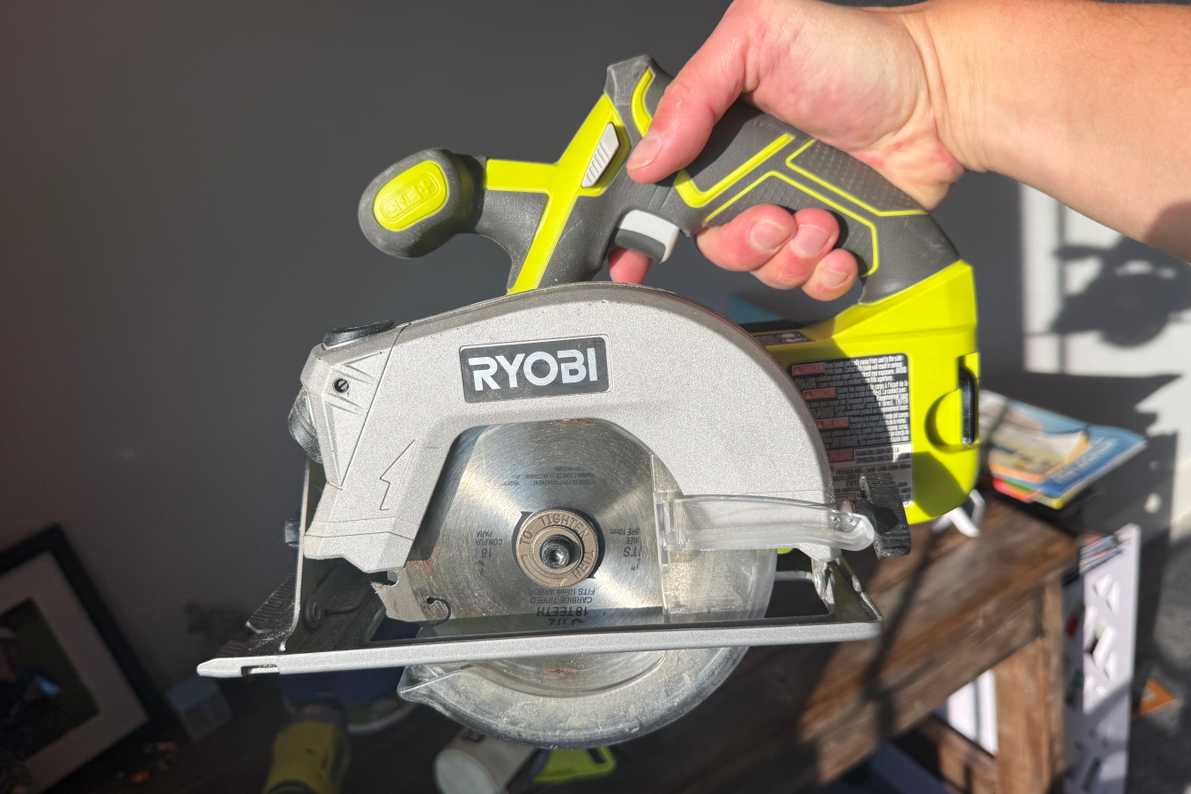


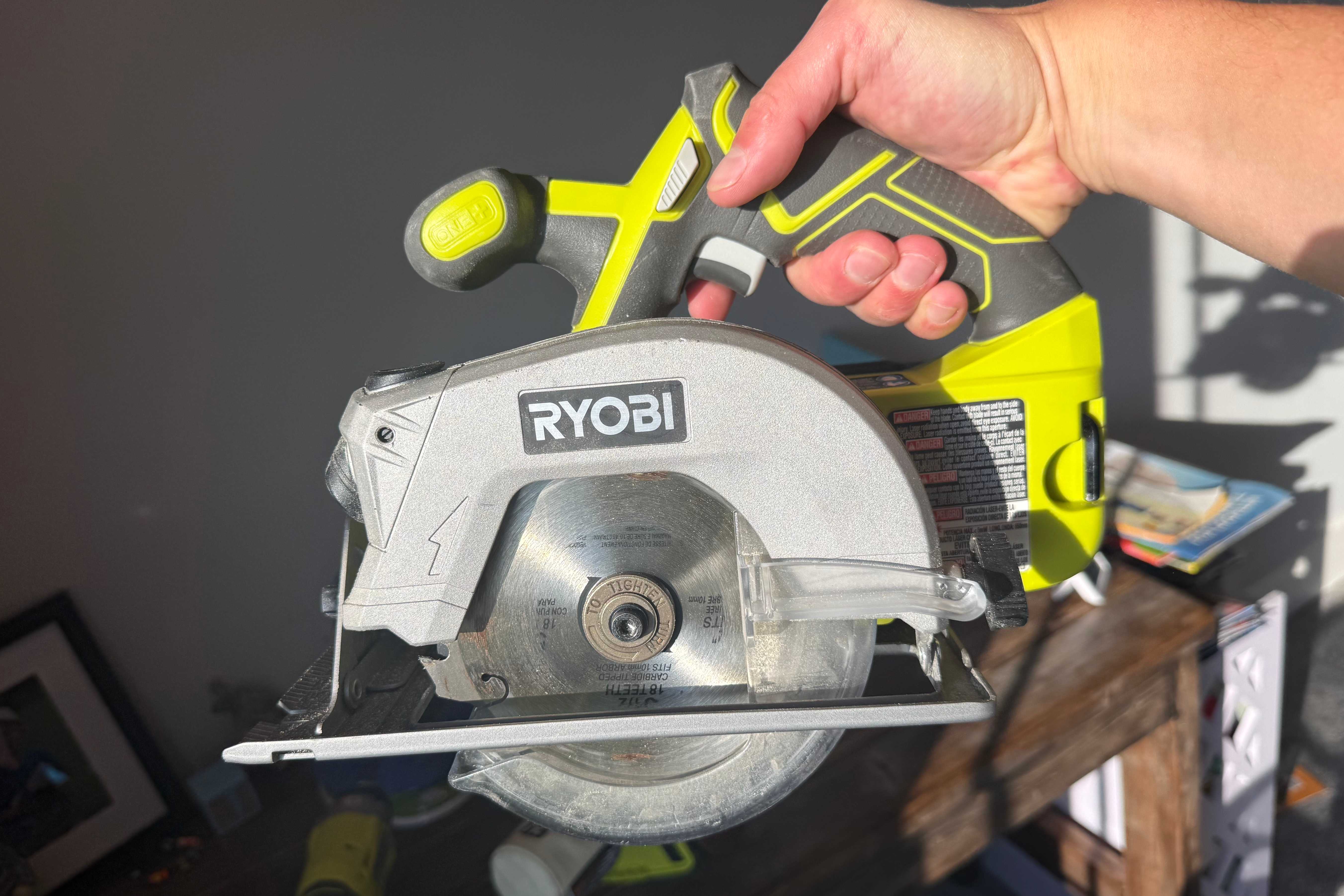
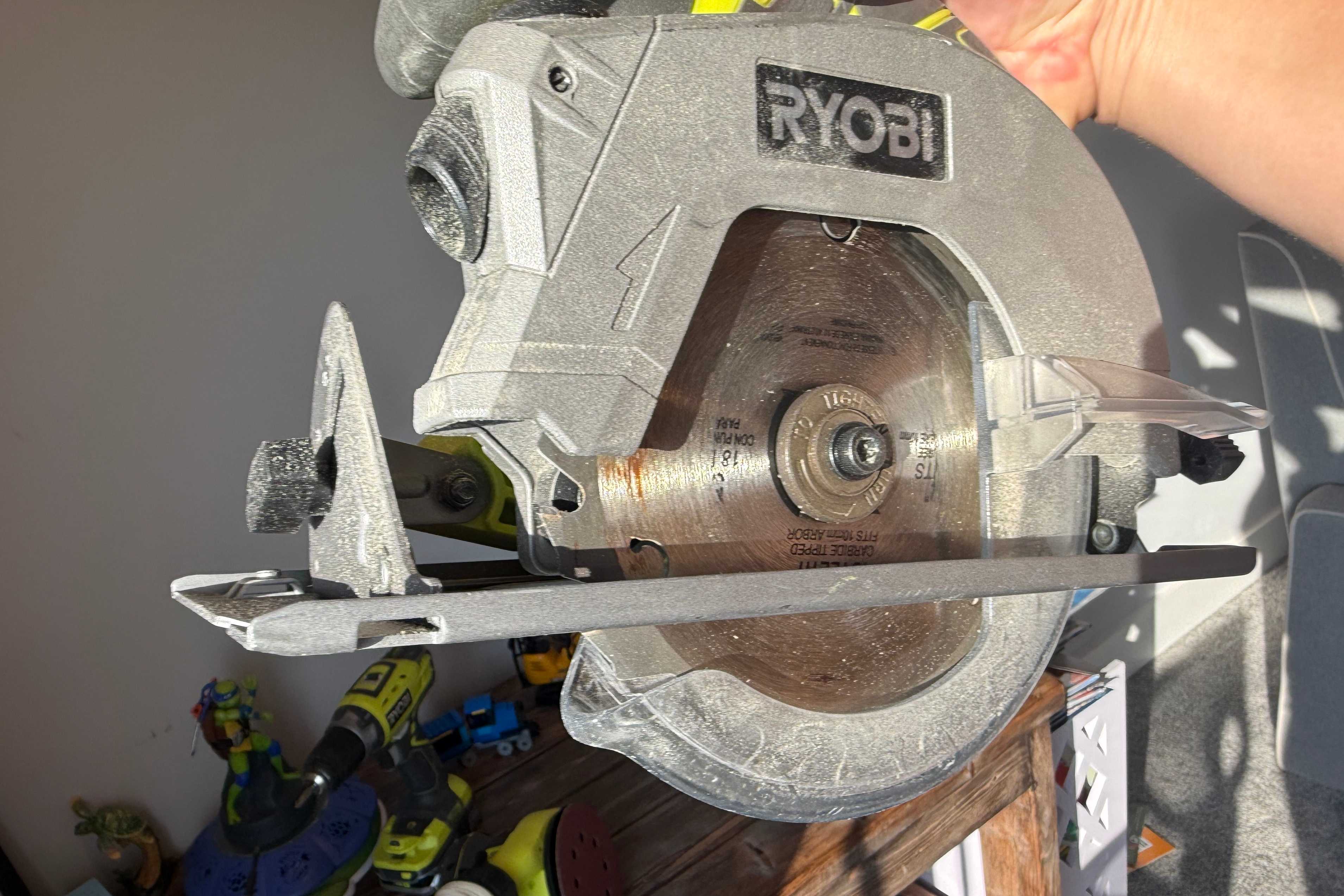
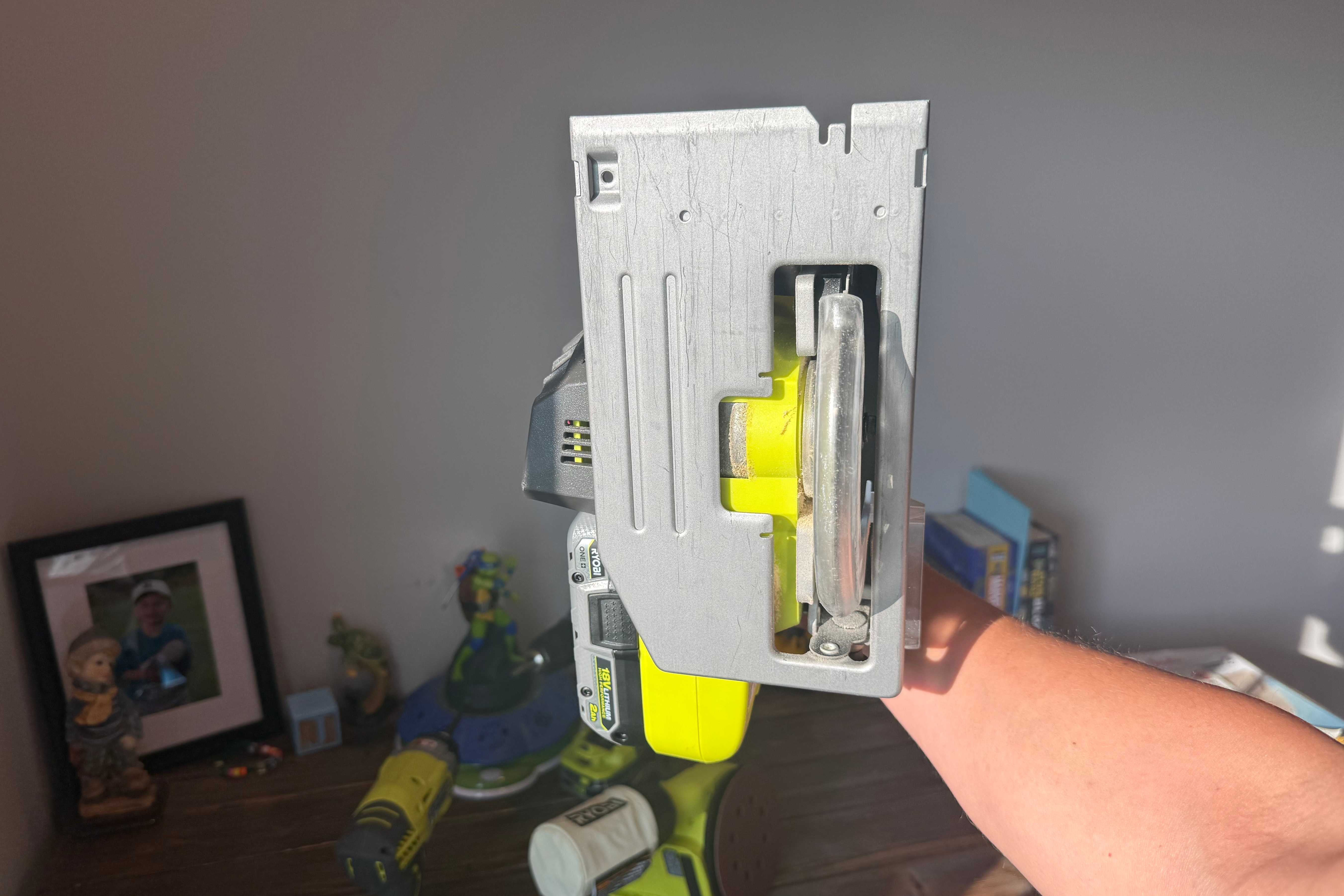
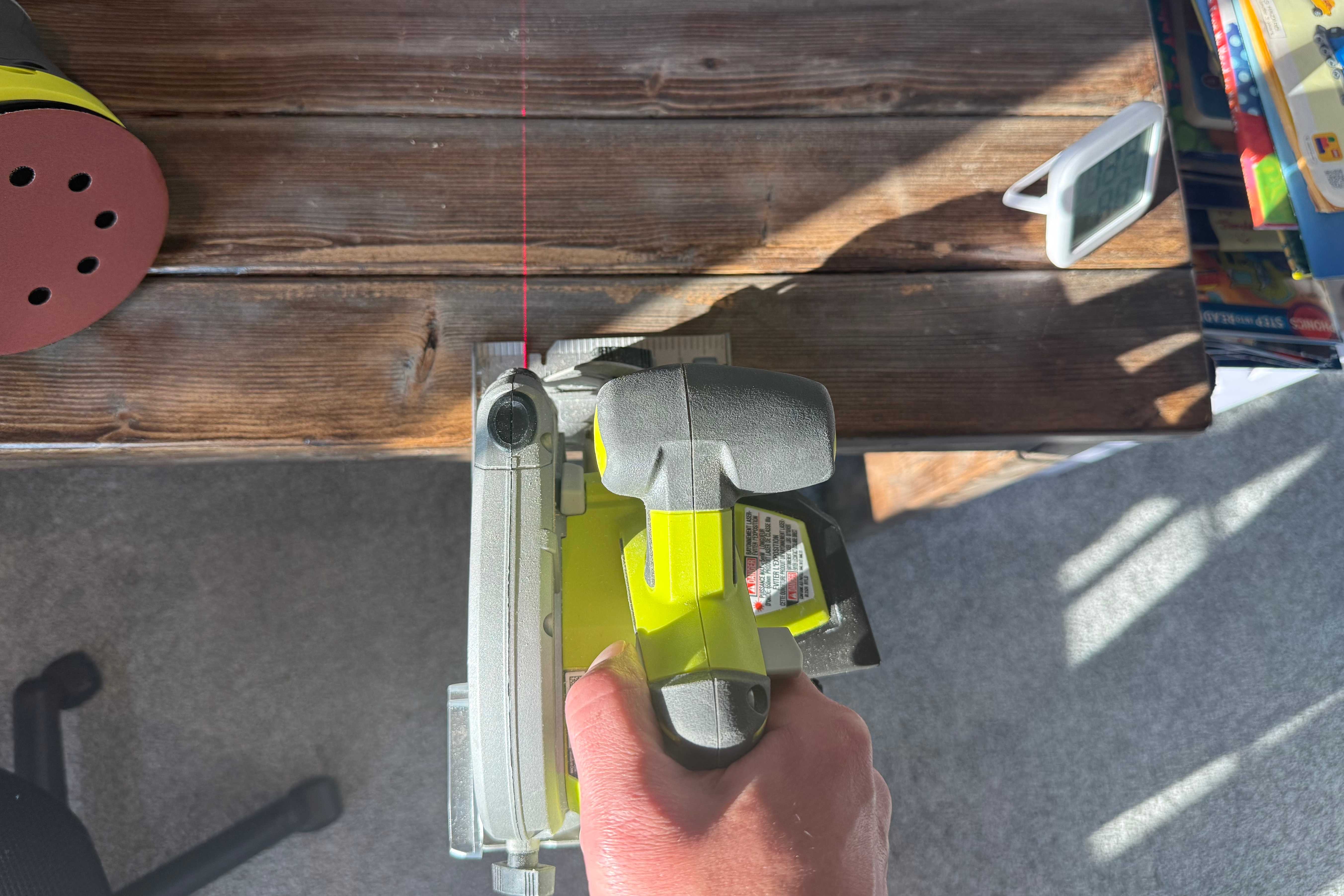
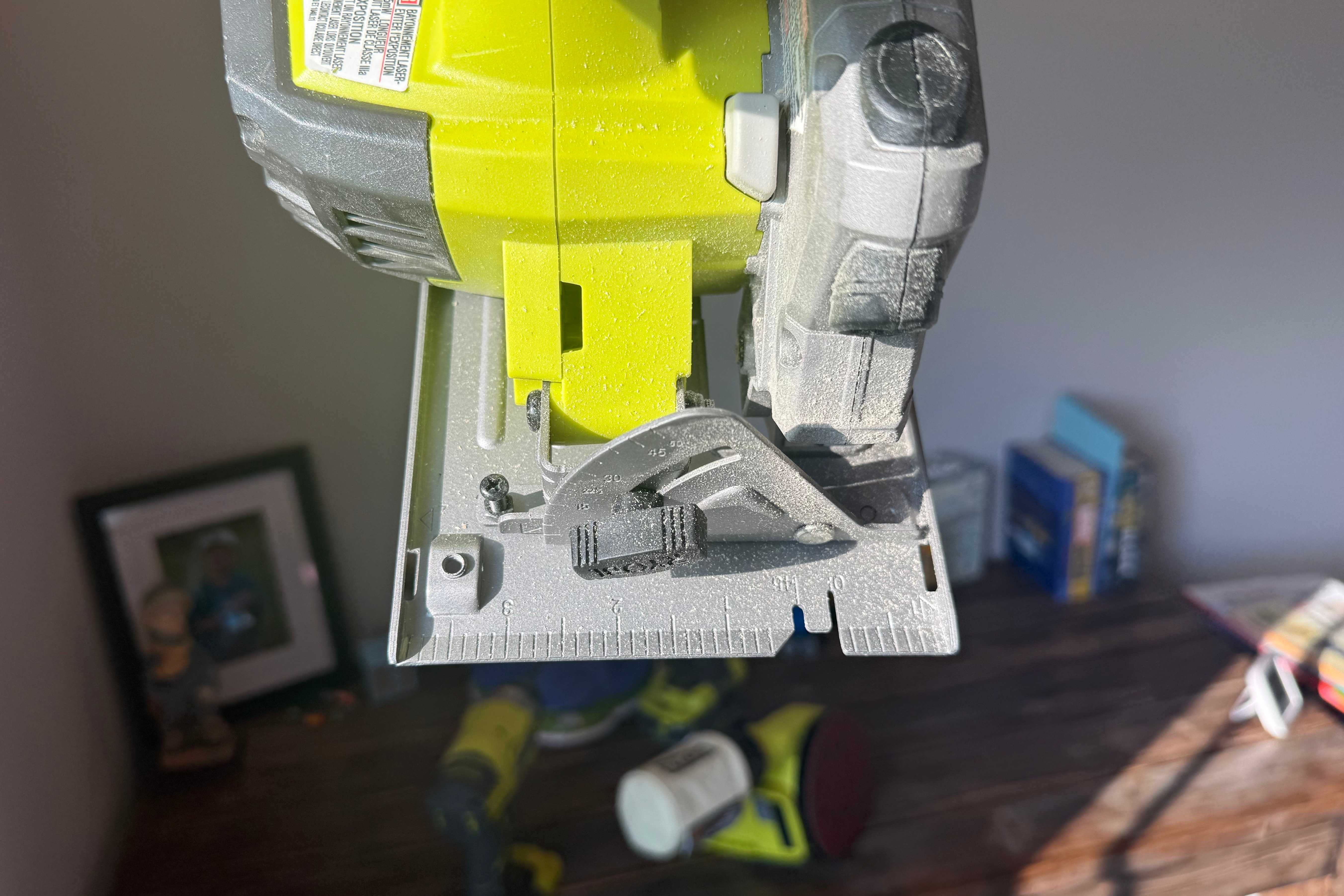
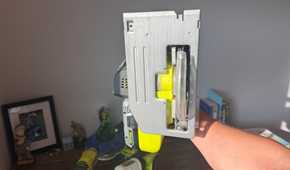
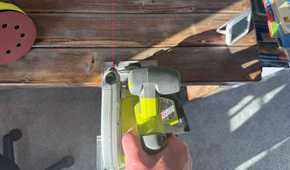
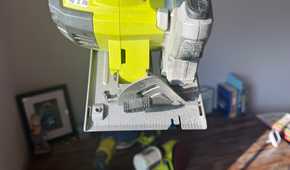
Out of the box, my 5-1/2-inch saw came with an 18-tooth carbide blade. It cut the parts for a desk, a stack of shelving, and a pile of fence pickets before I gave it a second thought. Dulling is slow enough to hide. Sharp carbide slices wood fibers, while worn teeth mash them, and the motor pays for that friction along the whole length of the board. That extra resistance shows up as higher current draw.
A DC motor's torque tracks its current, so a saw fighting a dull blade pulls harder from the pack, runs hotter, and empties it sooner. Push far enough and the battery's protection circuit cuts power mid-cut, which feels exactly like a weak tool. A fresh blade in the 10–20 range fixed all of it. The saw now runs through 2x lumber at full speed, and I'm back to finishing projects on one pack. When I compared this saw against Milwaukee's far pricier version, I credited the blade over the brand, and this was the proof sitting in my own garage.
Cheap drill bits make a good drill look weak
Bargain bits from Amazon dulled faster than I realized




 Credit: Chris Hachey / MakeUseOf
 Credit: Chris Hachey / MakeUseOf
 Credit: Chris Hachey / MakeUseOf
 Credit: Jonathon Jachura / MUO
 Credit: Chris Hachey / MakeUseOf
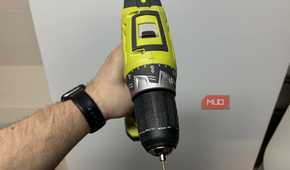
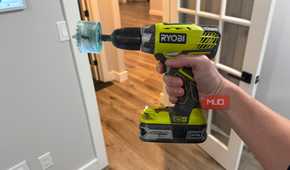
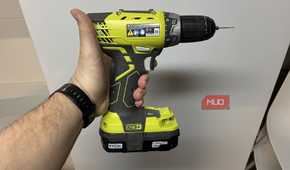
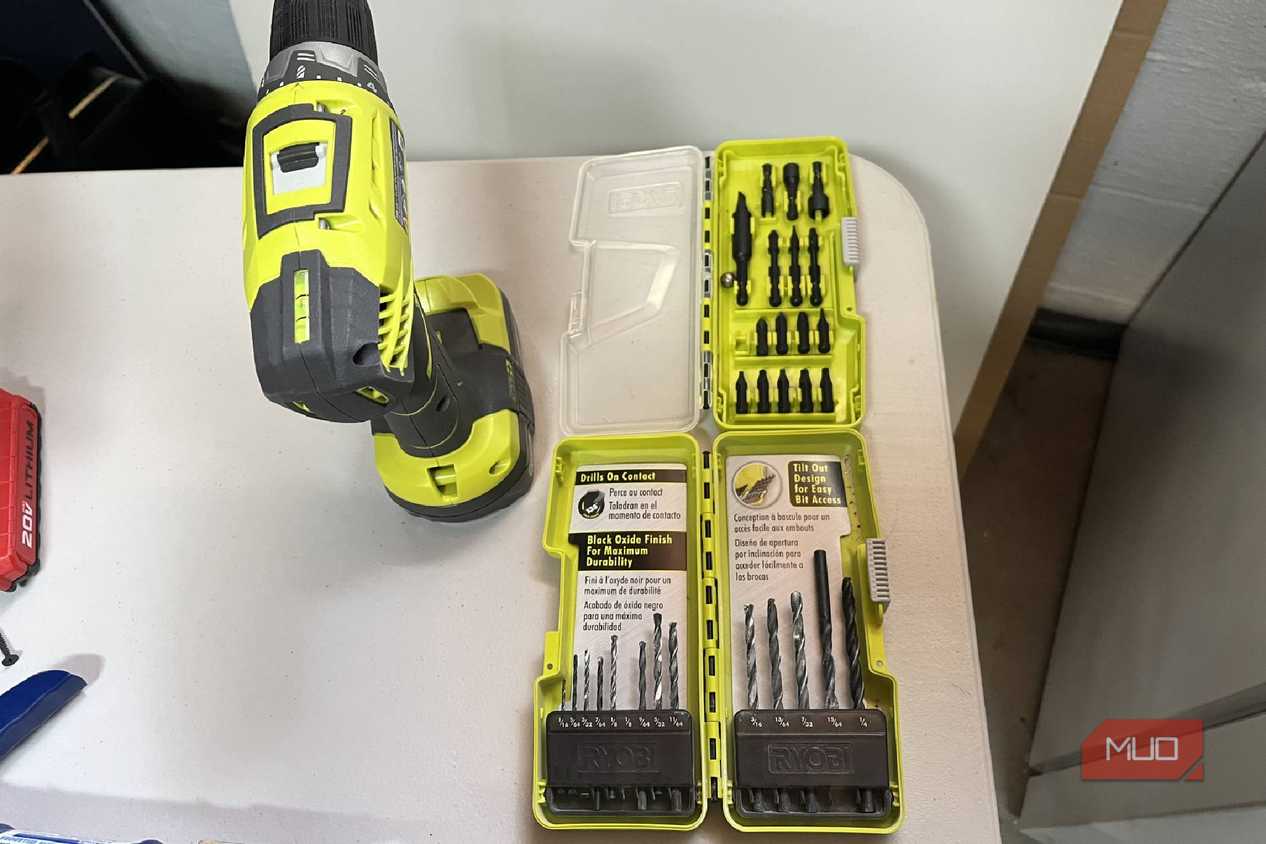
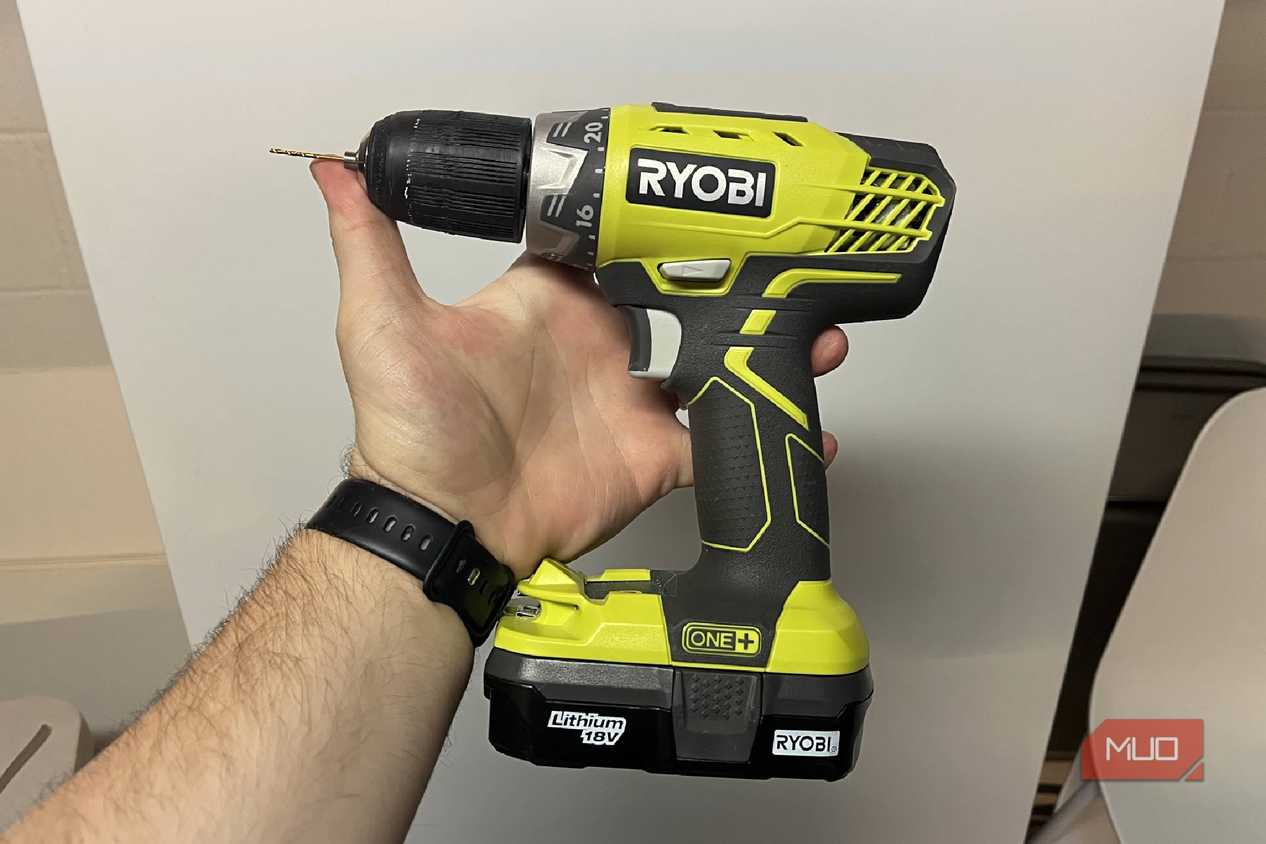
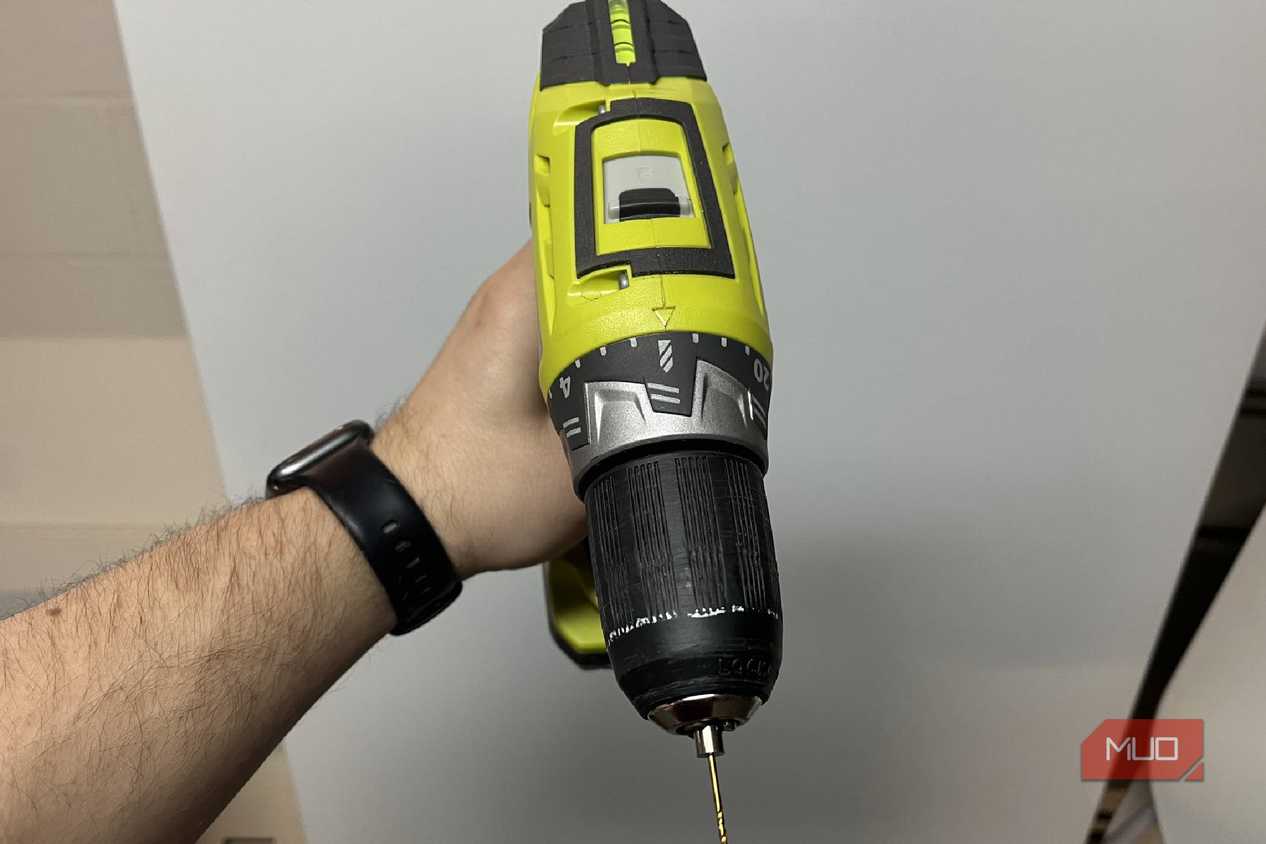
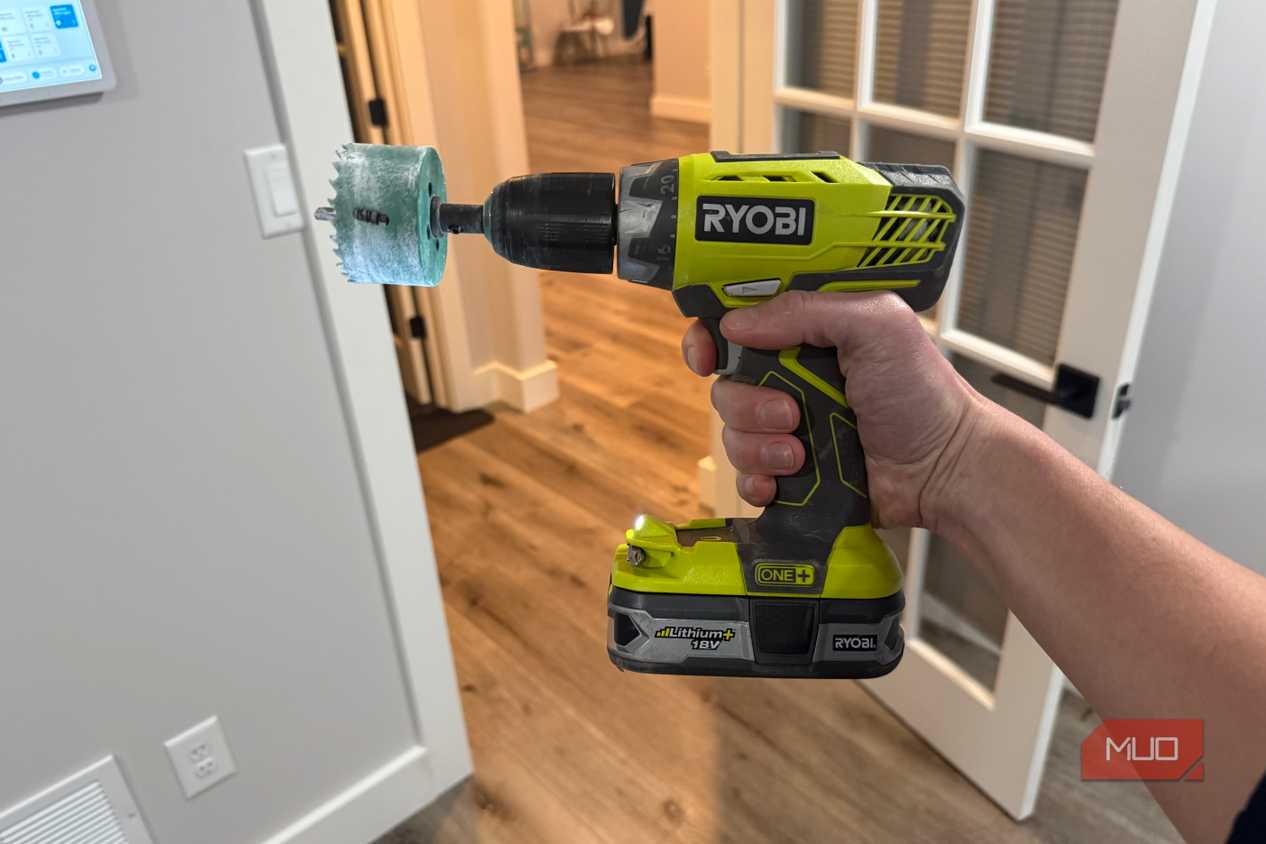
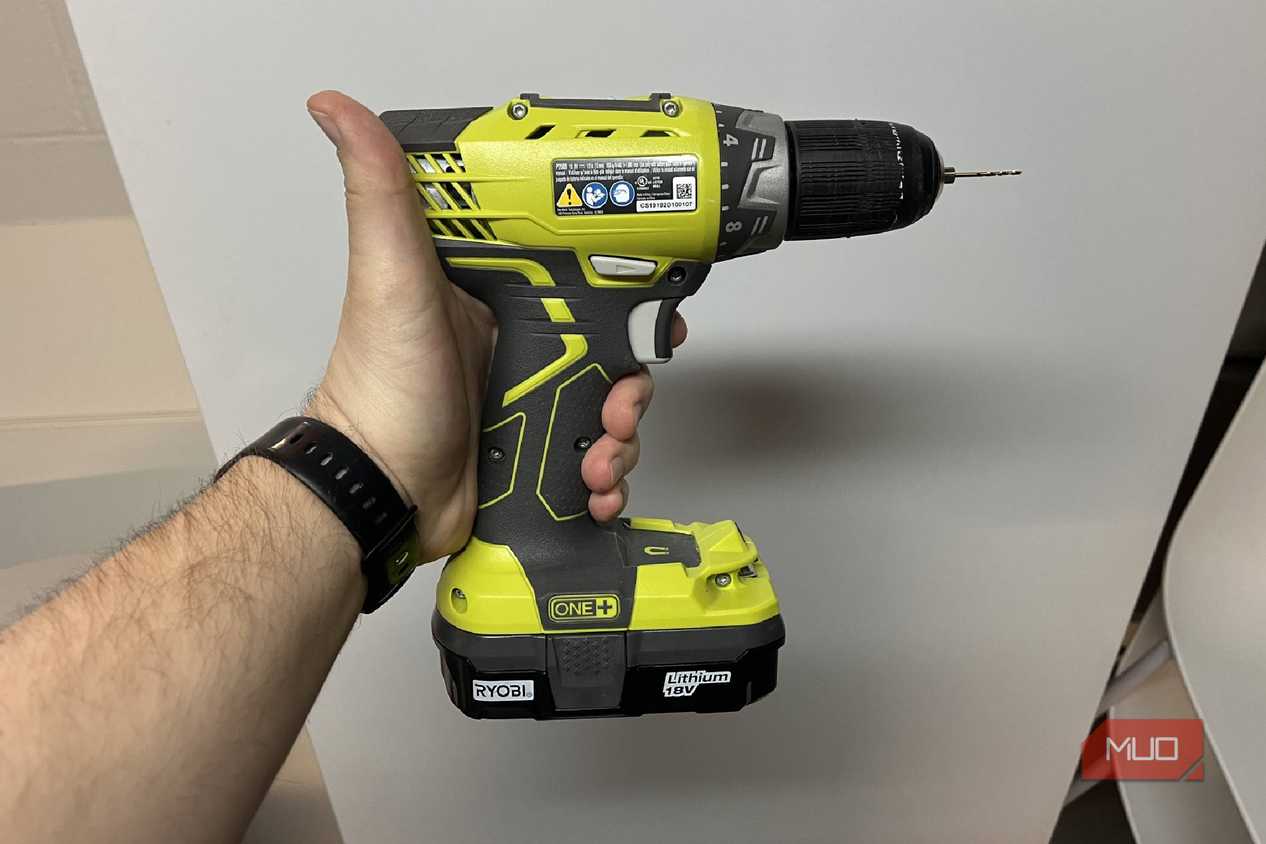
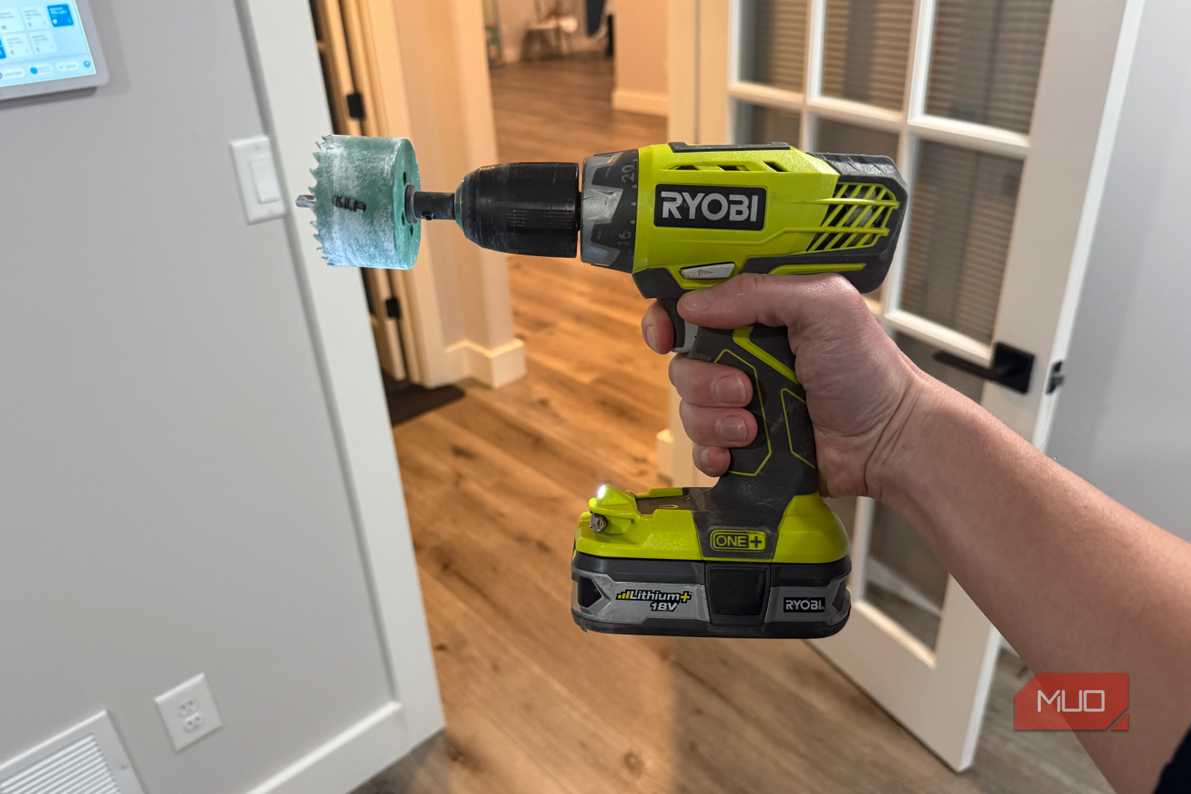
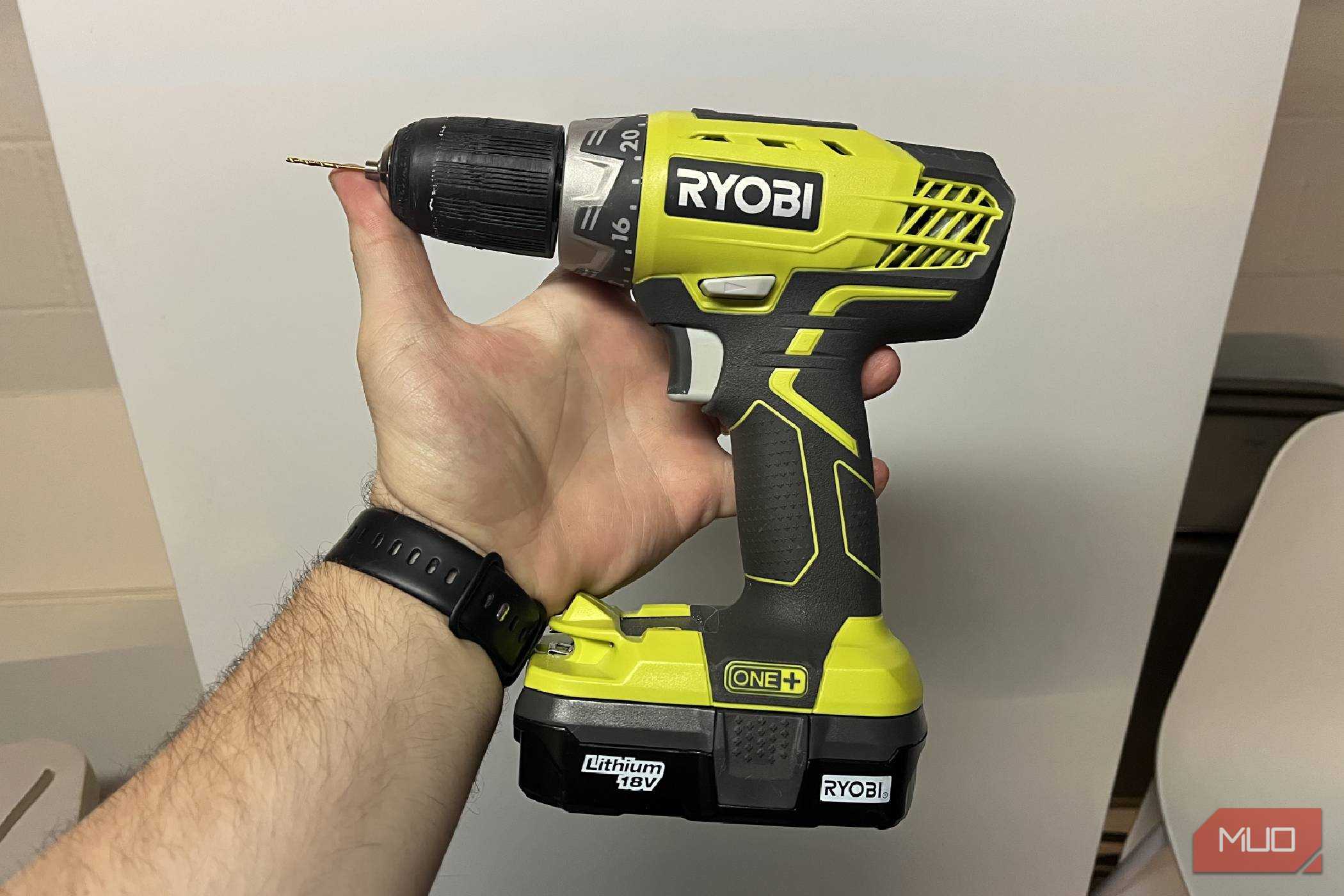
I run the brushed Ryobi ONE+ PCL206, which has more torque than any of my house projects demand. At some point it stopped feeling that way. Bits wandered off my pencil marks before catching, pilot holes took ages, and I got used to the smell of scorched lumber. I'd bought a bargain bit set from Amazon, and those cutting edges wore down quickly. Once a twist bit loses its edge, it grinds instead of cutting. You push harder, the tip heats up, and that heat dulls it further.
My drill took the blame for a problem that lived entirely in the chuck. I replaced the whole set with a Ryobi-branded bit kit. Holes now start where I mark them, and chips curl out of the flutes instead of fine dust. I've argued that a brushed drill covers most home jobs, and sharp bits are a big reason that holds true. Keep spares of the sizes you reach for most, since those wear first.
A clogged sanding disc turns your sander into a polisher
Loaded grit rubs the surface instead of cutting it

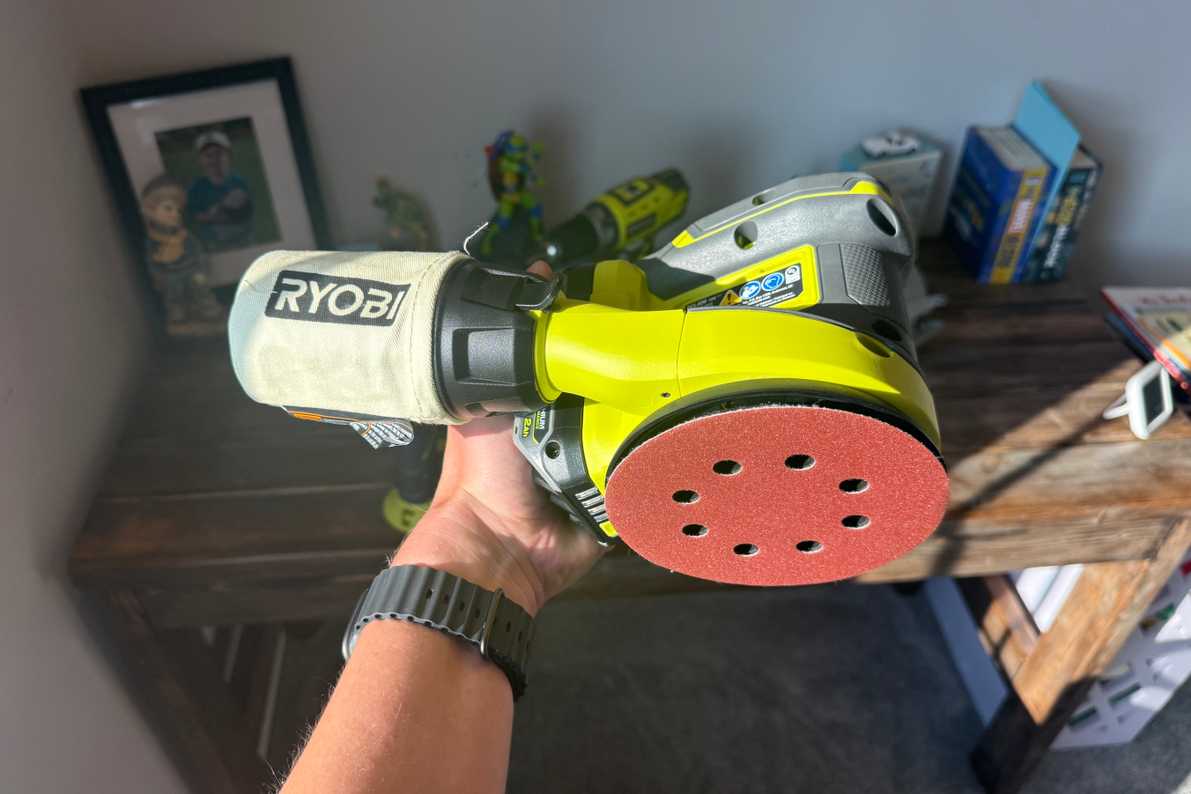


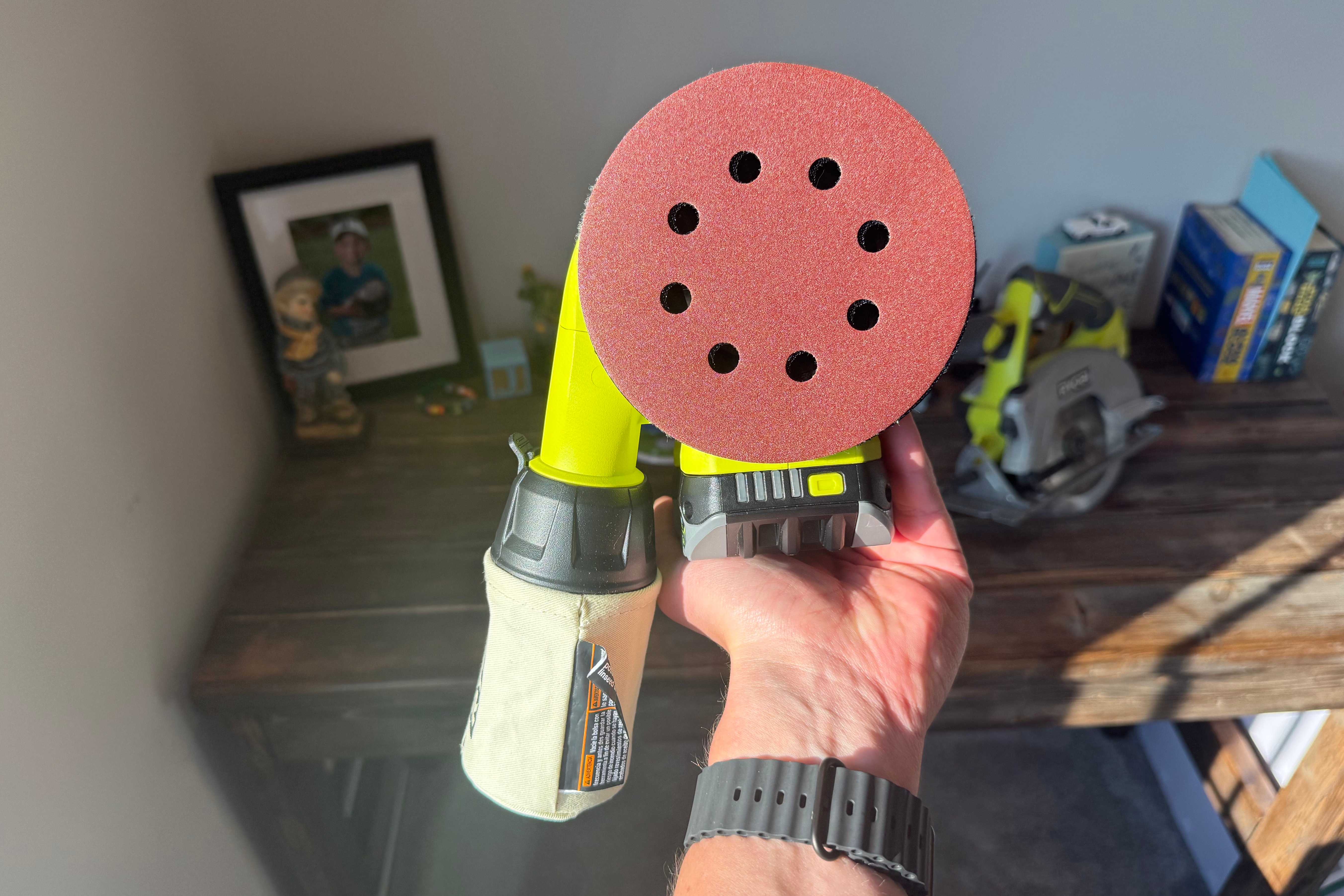
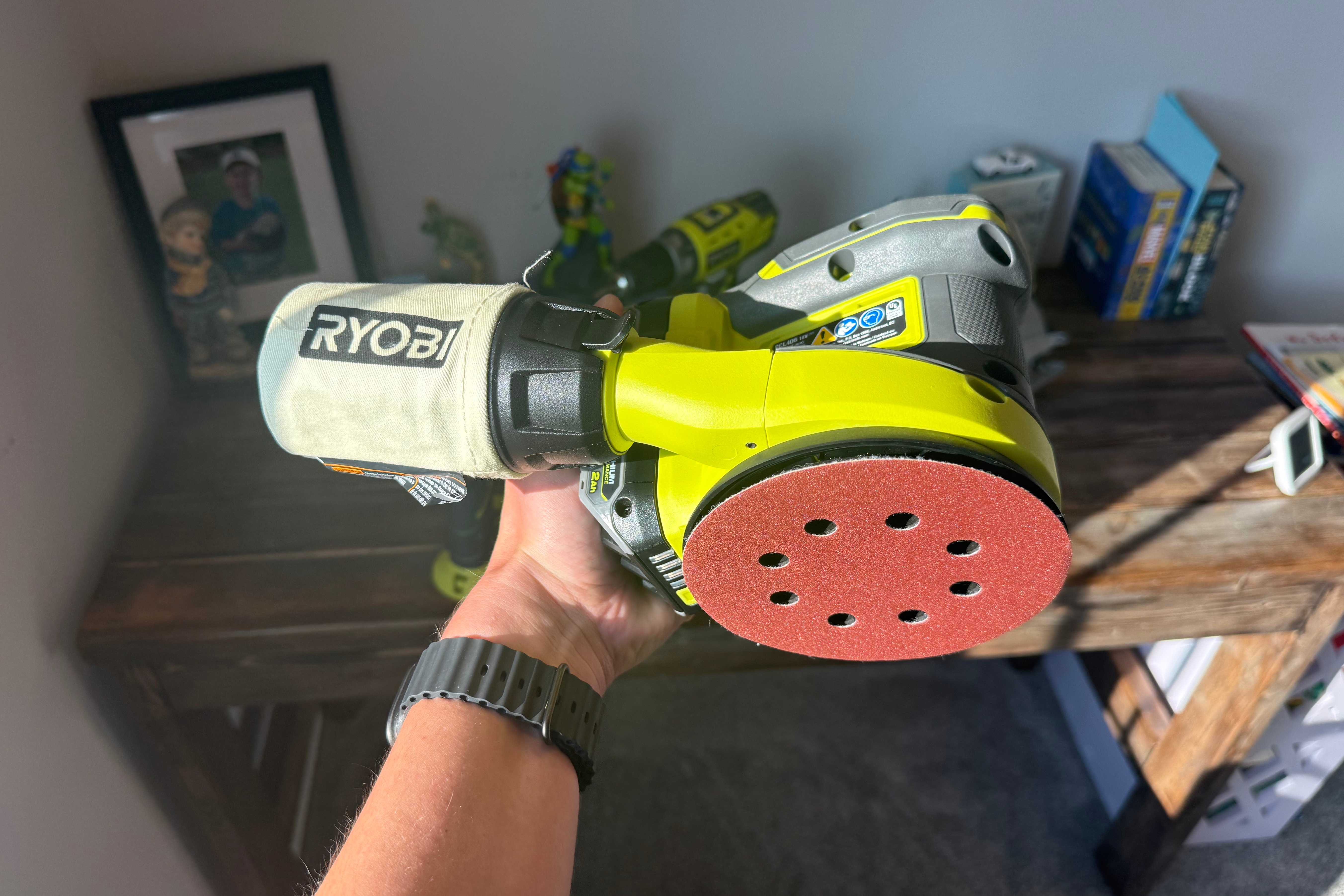
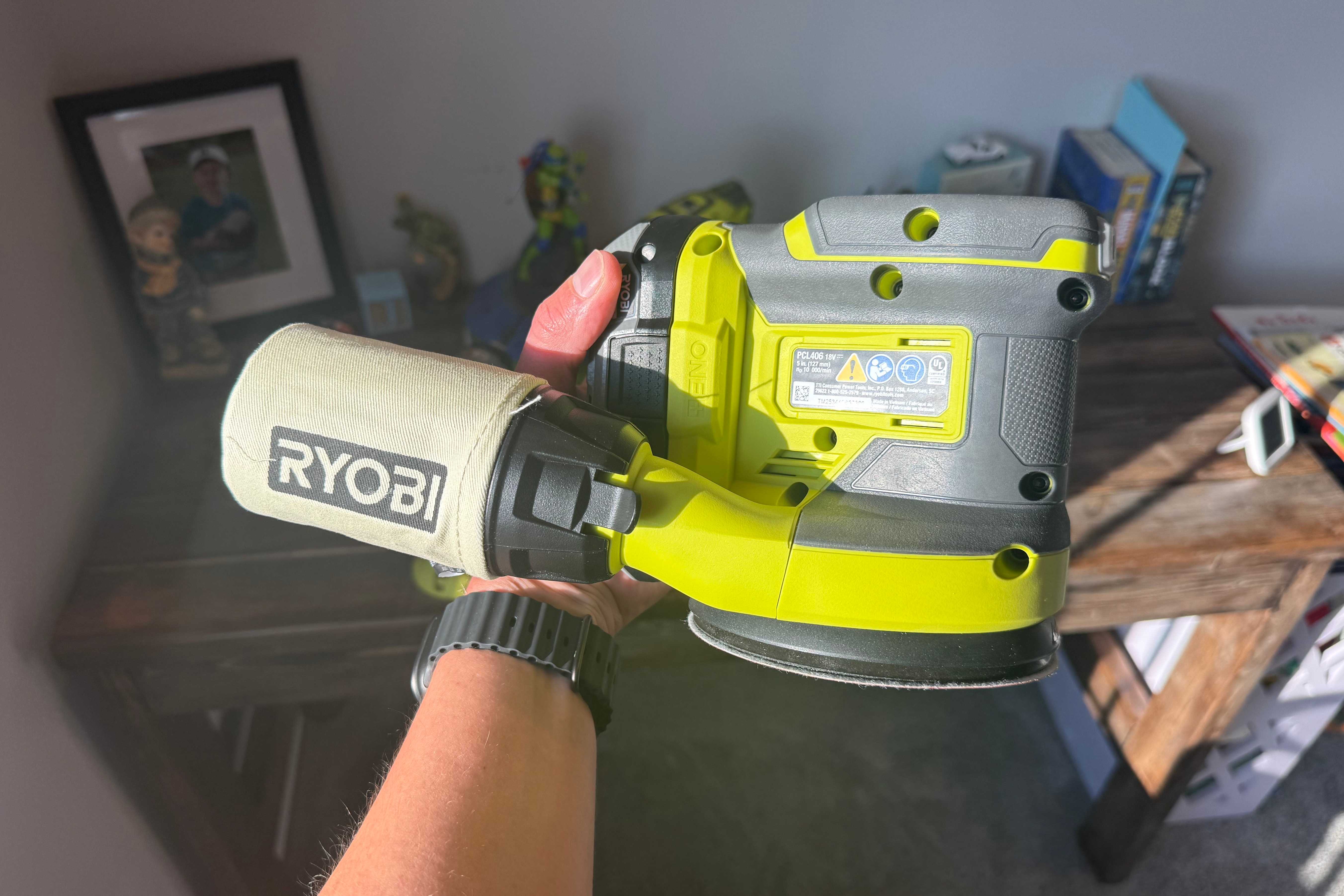
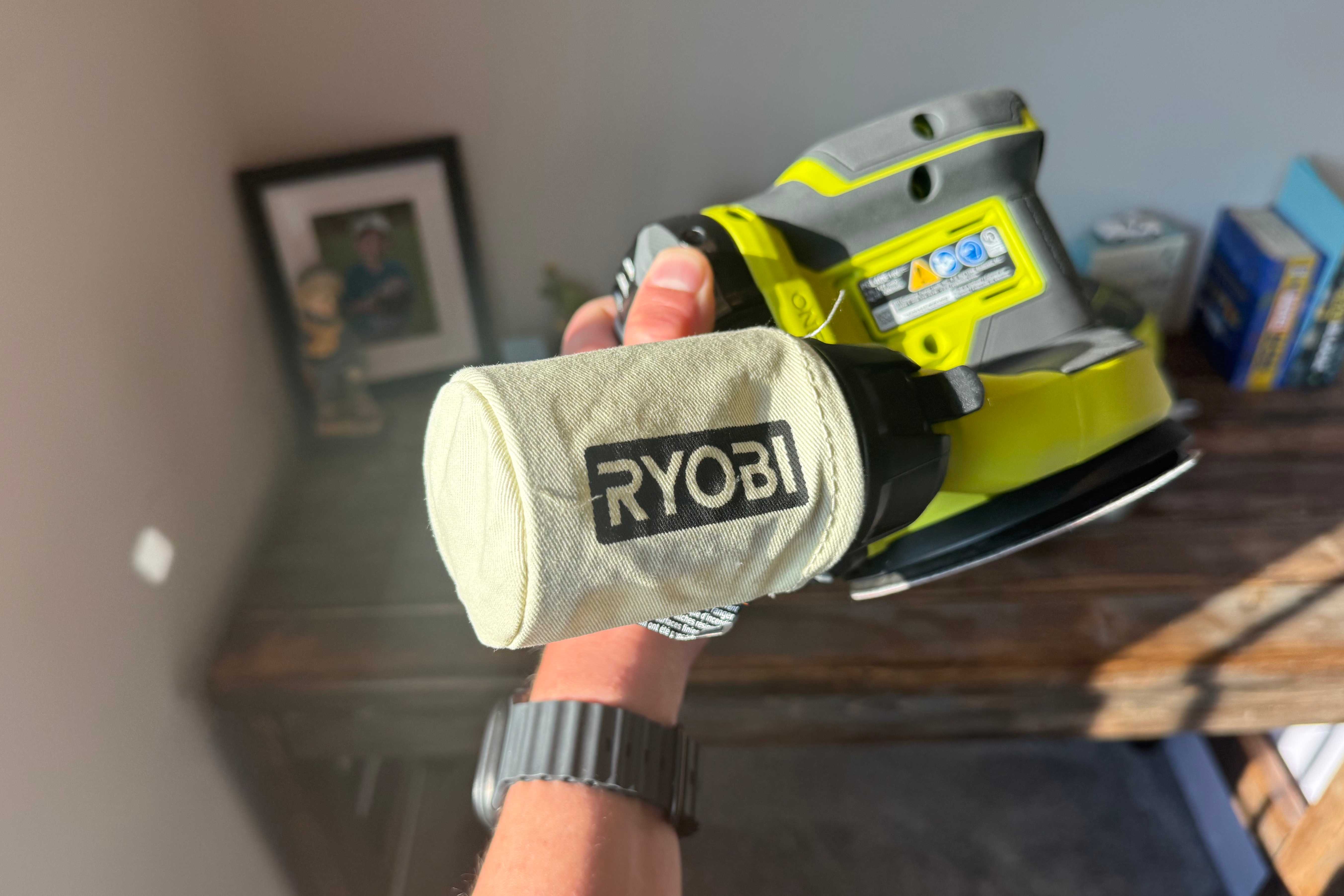
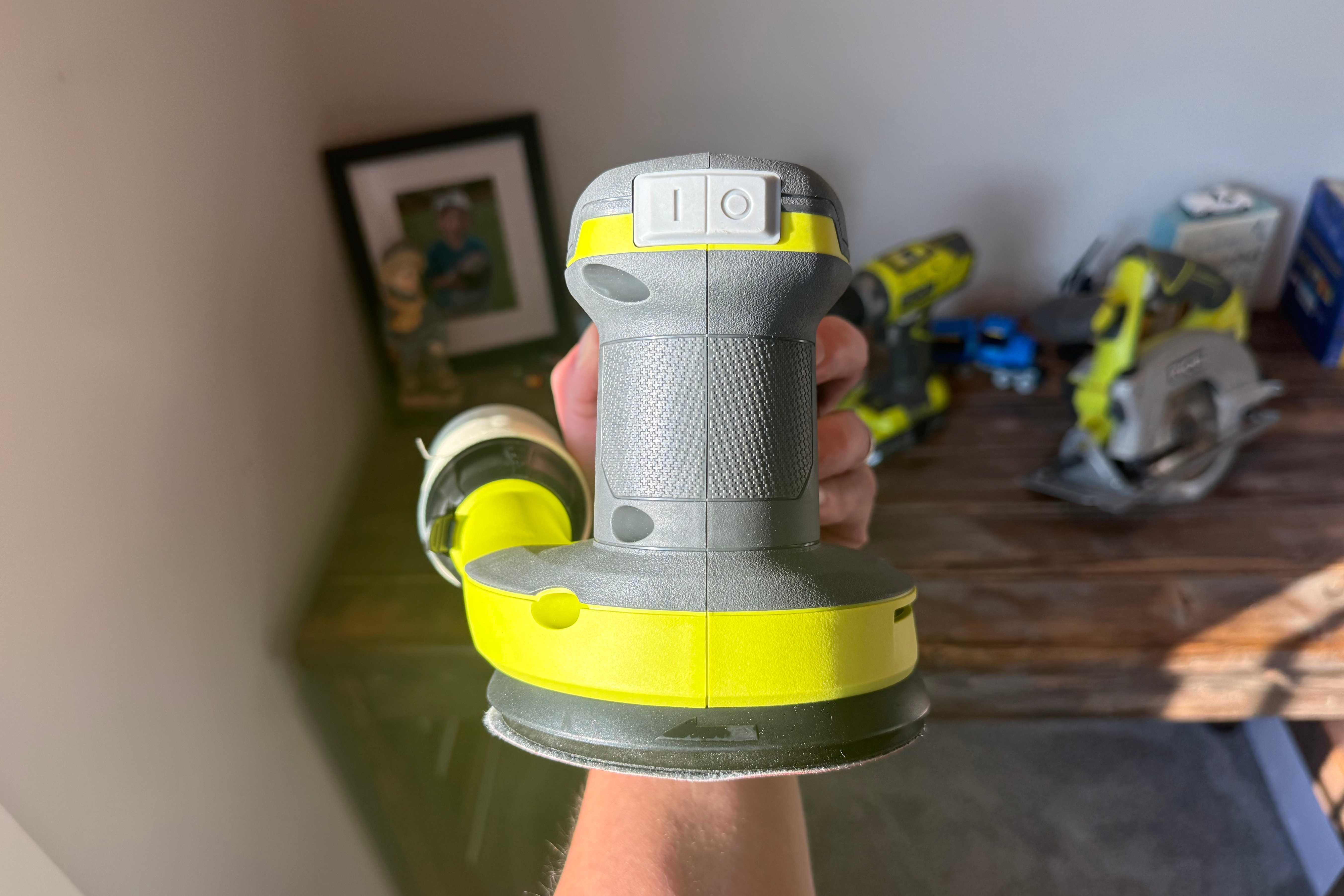
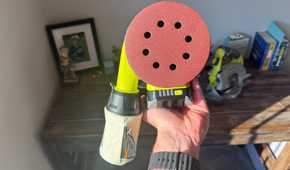
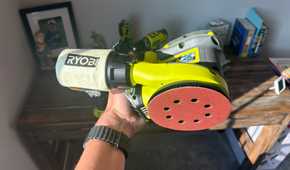
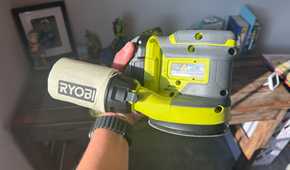
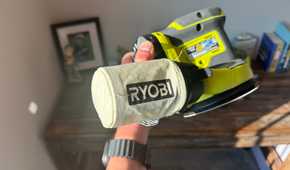
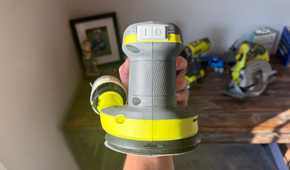
The random orbit sander follows the same pattern, only faster. Dust packs into the grit, especially on sappy softwoods or old finishes that soften with heat. Once the abrasive fills in, the disc stops removing material and starts rubbing. The natural response is to press harder. That extra pressure slows the pad's random orbit, builds heat, and leaves the swirl marks the sander is supposed to prevent. It also loads the motor, so the tool feels sluggish even though the problem is stuck to the bottom of the pad.
Discs cost well under a dollar apiece in multipacks, so change them as soon as they stop cutting. A rubber crepe cleaning stick can pull packed dust out of a disc and stretch its life between changes. Hold it against the spinning disc for a few seconds and the grit reappears. Inspect the hook-and-loop pad too, because worn hooks let discs slip and wobble.
A worn edger blade tears the lawn instead of cutting it
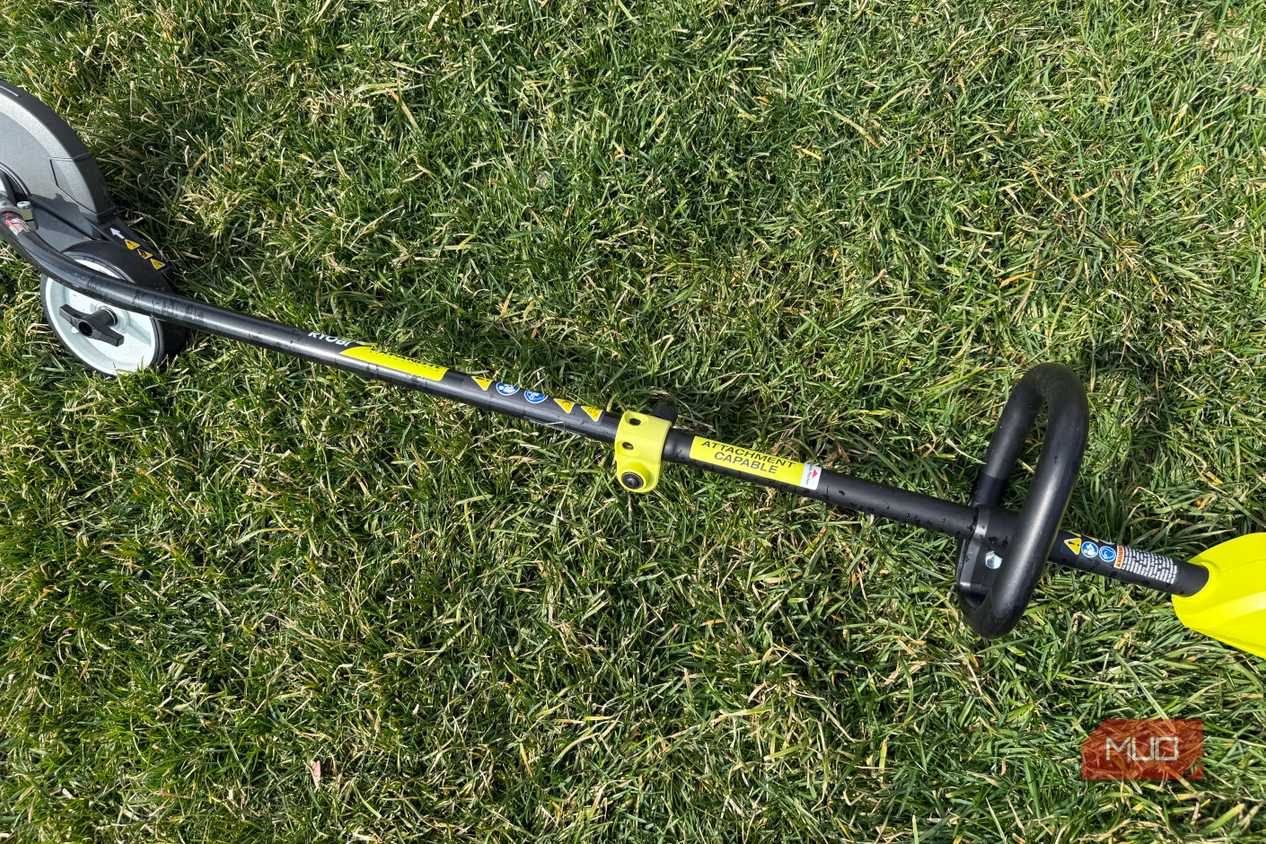
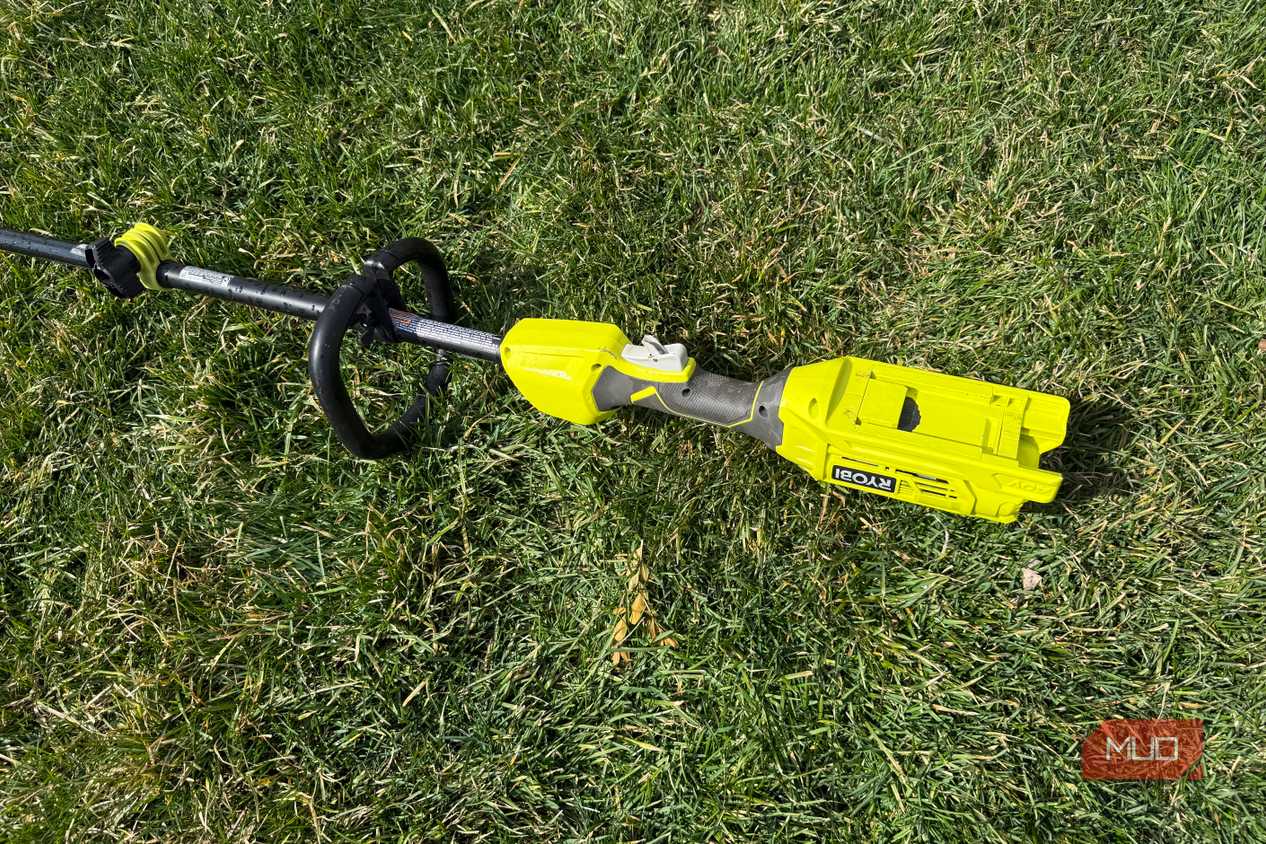
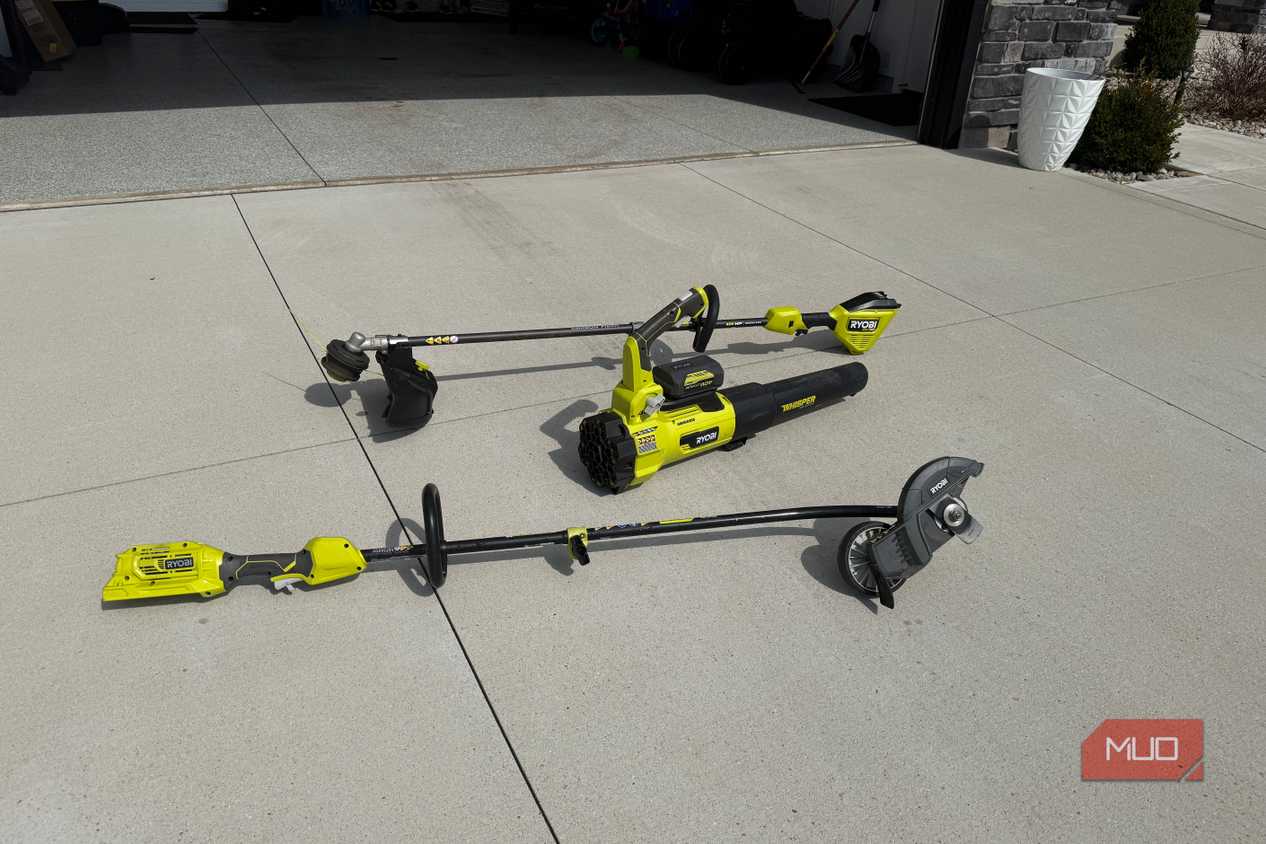
My 40V edger lost its crisp line long before the battery faded


 Credit: Jonathon Jachura / MUO
 Credit: Jonathon Jachura / MUO
 Credit: Jonathon Jachura / MUO
 Credit: Jonathon Jachura / MUO
 Credit: Jonathon Jachura / MUO
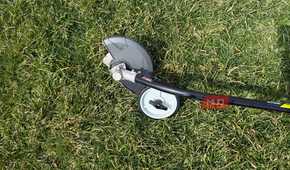
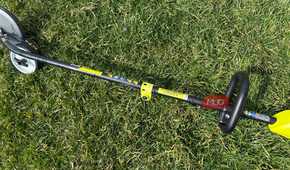
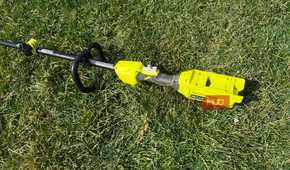
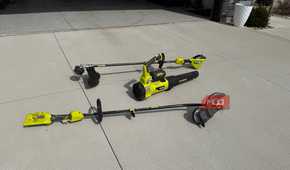
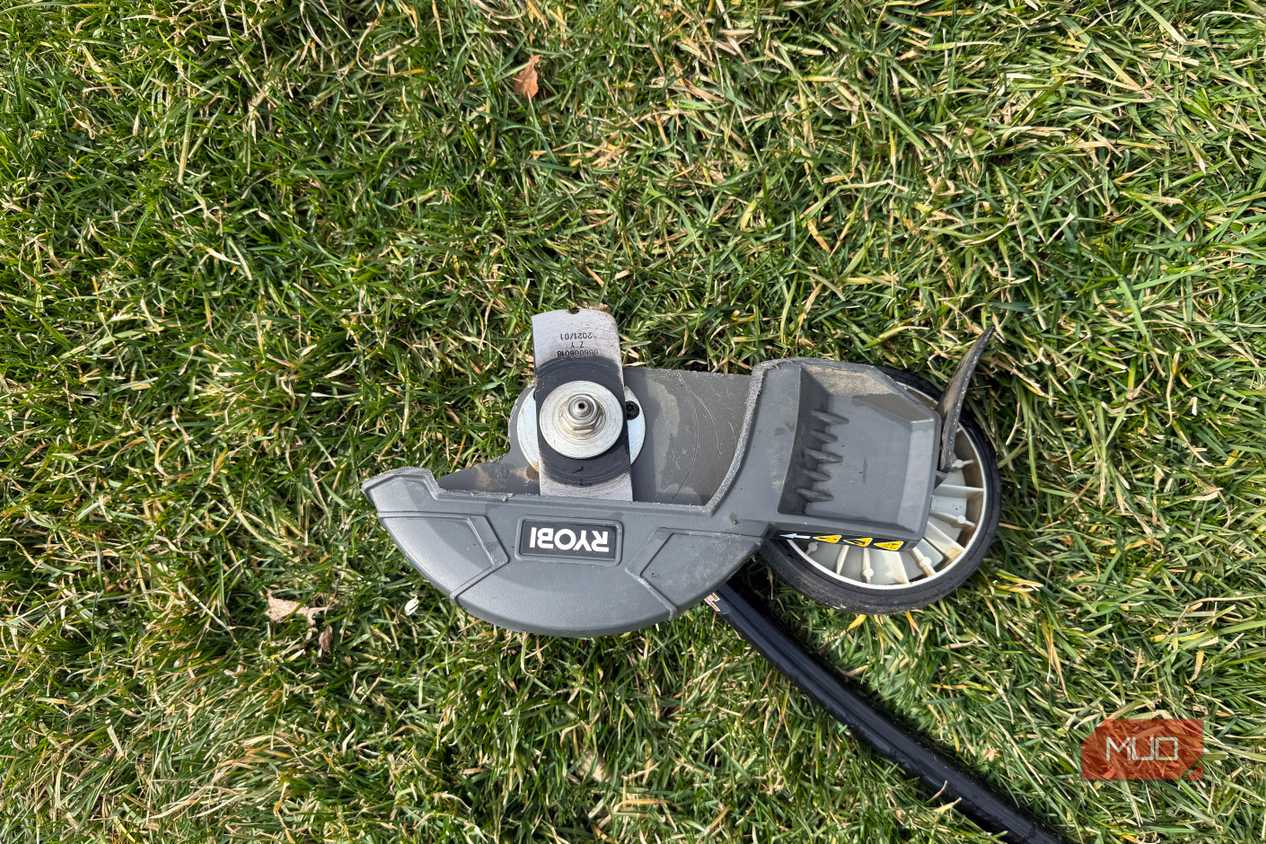
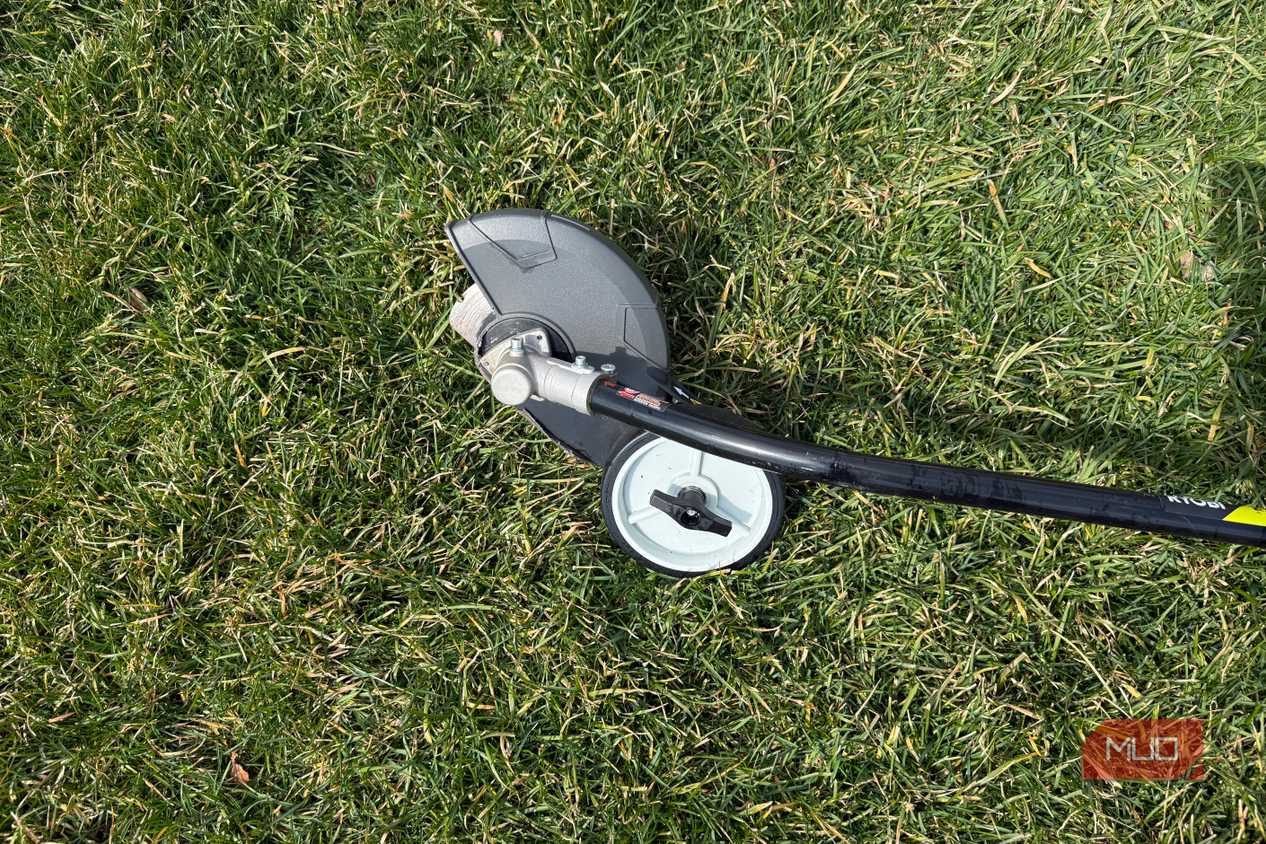
The yard side of my Ryobi collection has its own version of this problem. My 40V edger spins a steel blade against concrete, packed dirt, and the occasional buried rock along the driveway, so it wears far faster than anything in the shop. A worn blade rounds off at the tips and gets shorter. Instead of slicing a clean trench, it beats at the turf and leaves a ragged edge that browns within days. It also has to work harder to reach the same depth, which shows up as shorter runtime per charge.
Replacement blades are inexpensive and take a few minutes to swap with a wrench, or with an impact driver and a socket adapter if the retaining bolt fights back. With a new blade installed, my driveway line looked sharp again, and the edger stopped chattering through the tough spots. Compare your blade's length against a new one each spring. Noticeable lost reach means it's time for a replacement.

Check the cheapest part before replacing the tool
A brushless upgrade or a bigger battery can easily run $100. Check whatever touches the material first. Saw blades, drill bits, sanding discs, and edger blades all wear out, but they fade so gradually that the tool takes the blame. My four replacements together cost less than one bare Ryobi tool, and every tool they went into works like new. Stash a spare blade beside the saw and a sleeve of discs near the sander. If a tool still struggles with a sharp accessory, then the motor or battery deserves a closer look.