


Most of Ryobi's popular tools come in two versions. One has the base brushed motor; the other carries an HP badge and a brushless motor, and the gap between them runs anywhere from $25 to more than $100. I've argued before that brushless is wasted money on some tools, and I still run a brushed sander without regret.
This list is the other side of that ledger. After years of stocking a workshop and a yard shed with Ryobi batteries, I've found five tools where the cheaper motor costs more over time, whether that shows up as stalled cuts, drained packs, or a tool too bulky for the job. Three run on 18V ONE+ and two on 40V. On all five, the motor either works hard for a long stretch or has to fit somewhere tight.
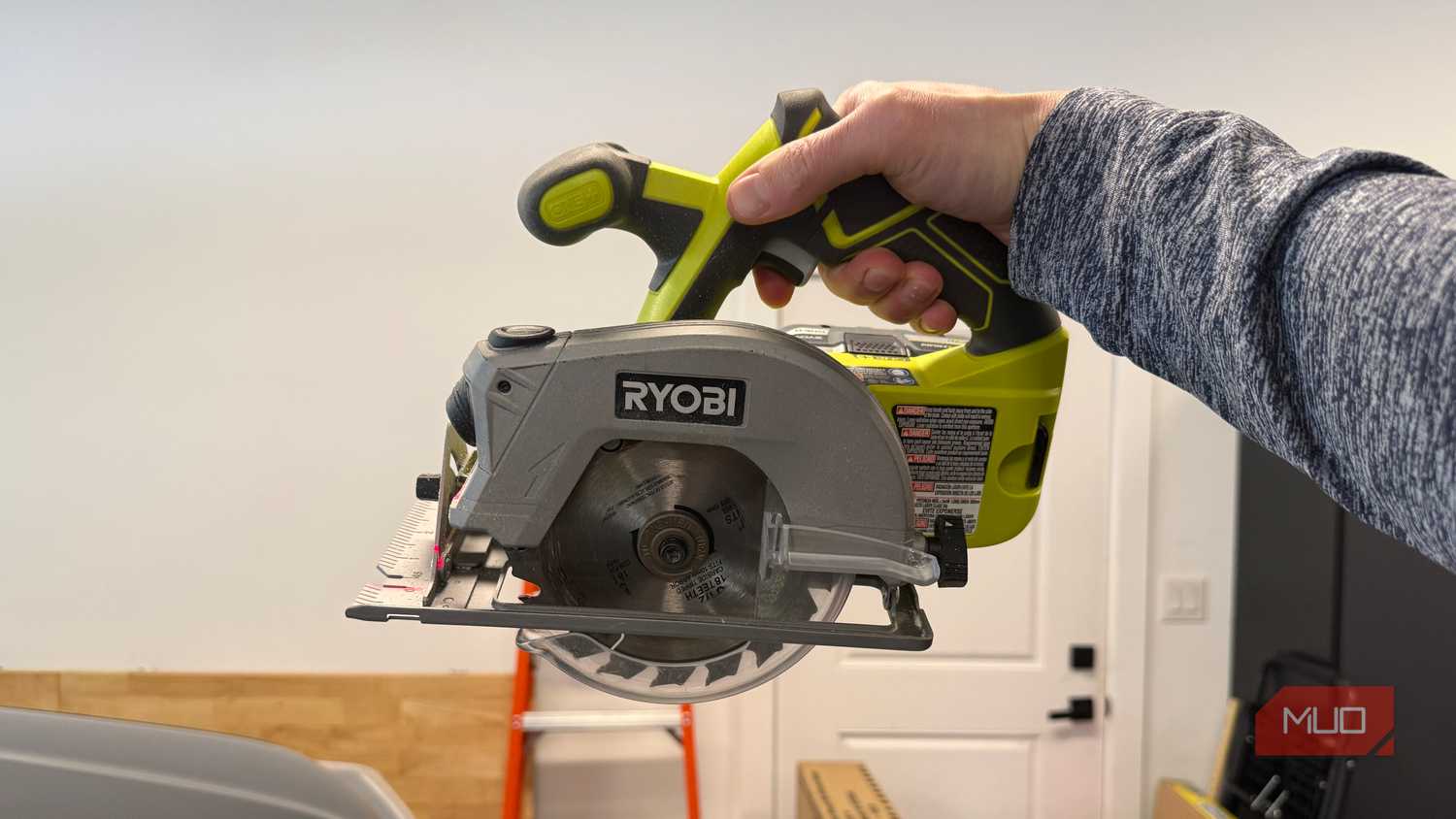
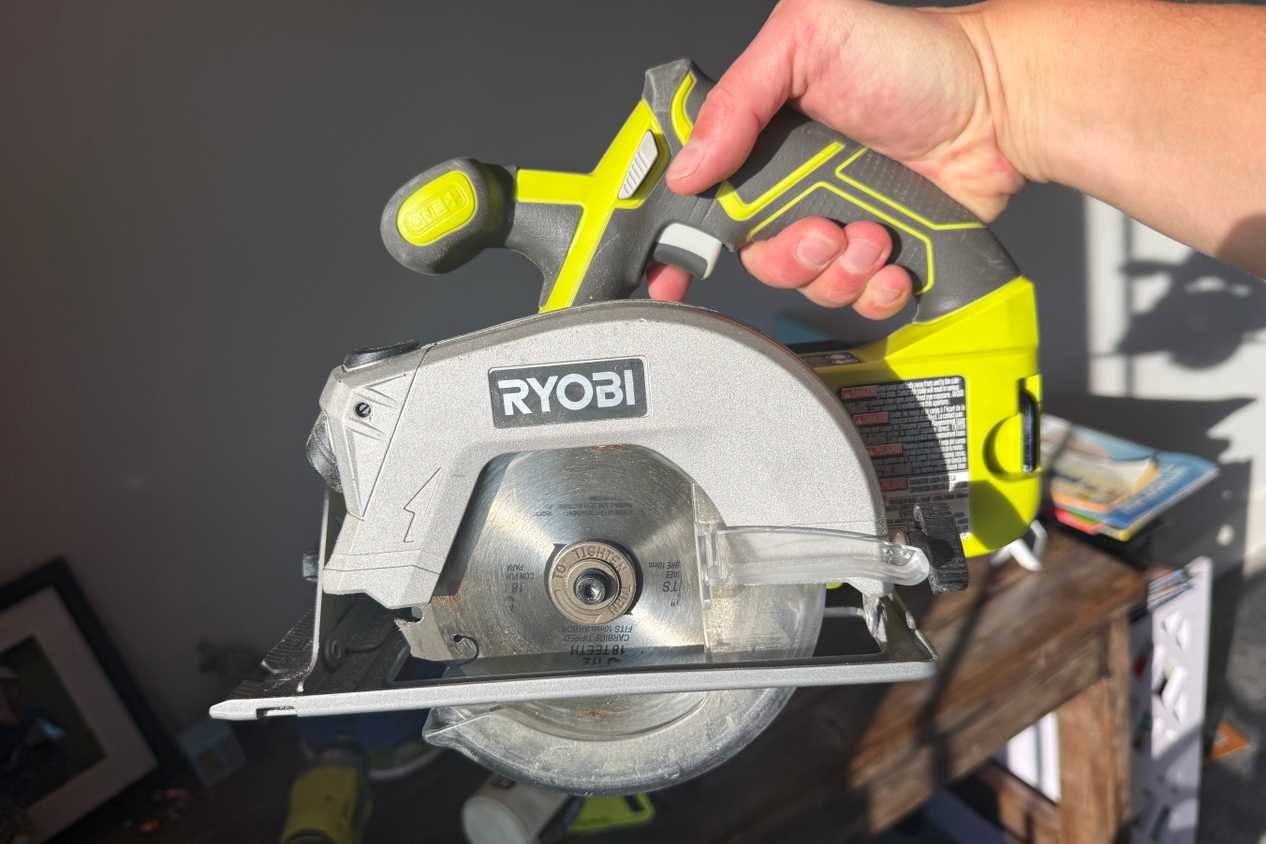
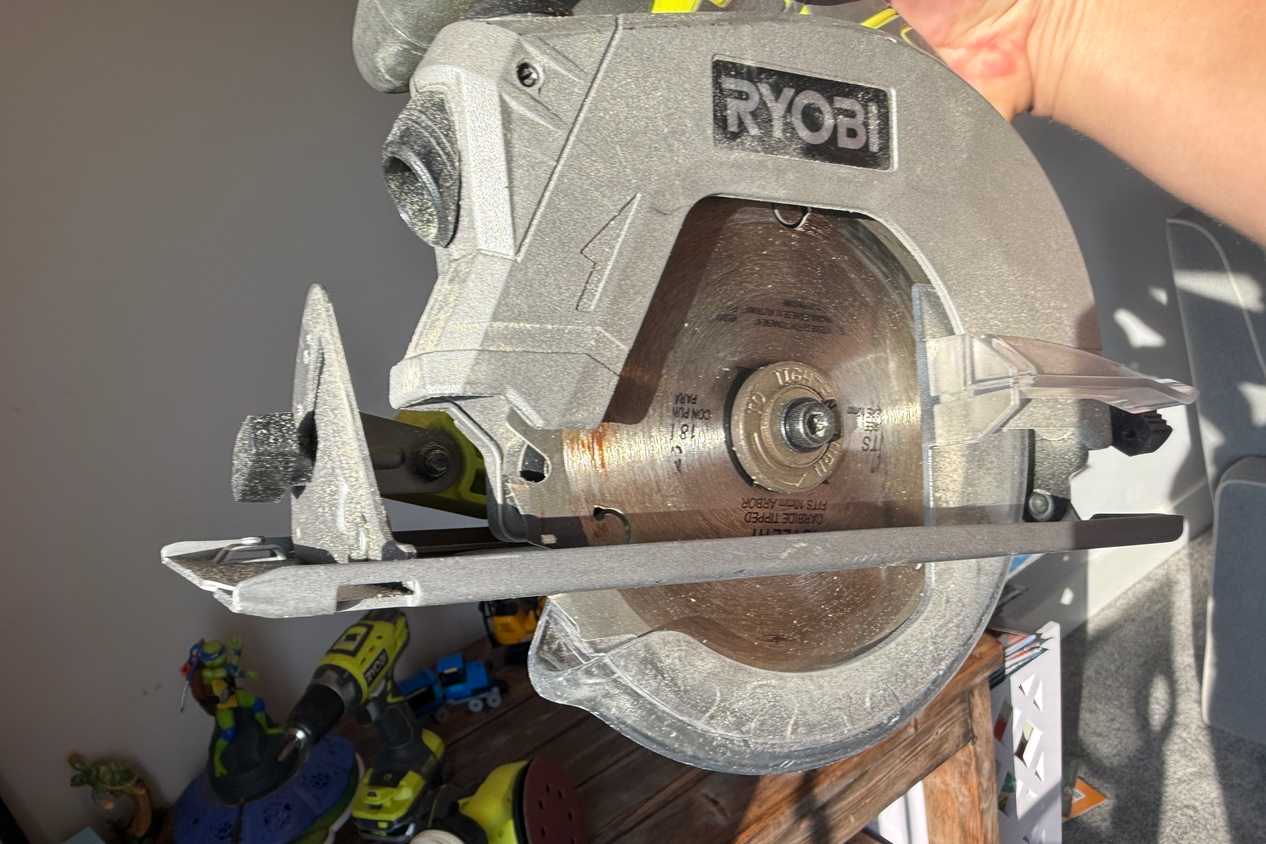
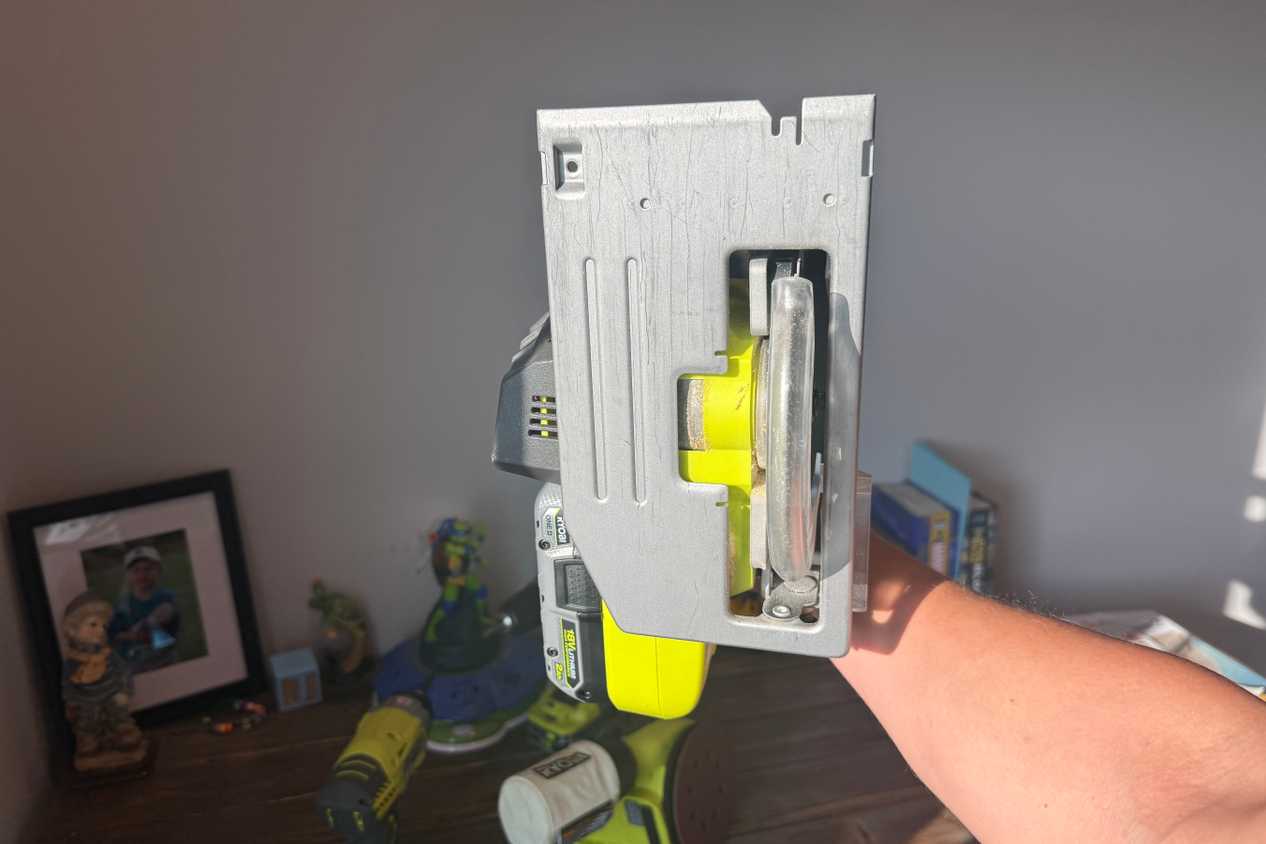
The circular saw
A long rip never lets the motor rest



 Credit: Jonathon Jachura / MUO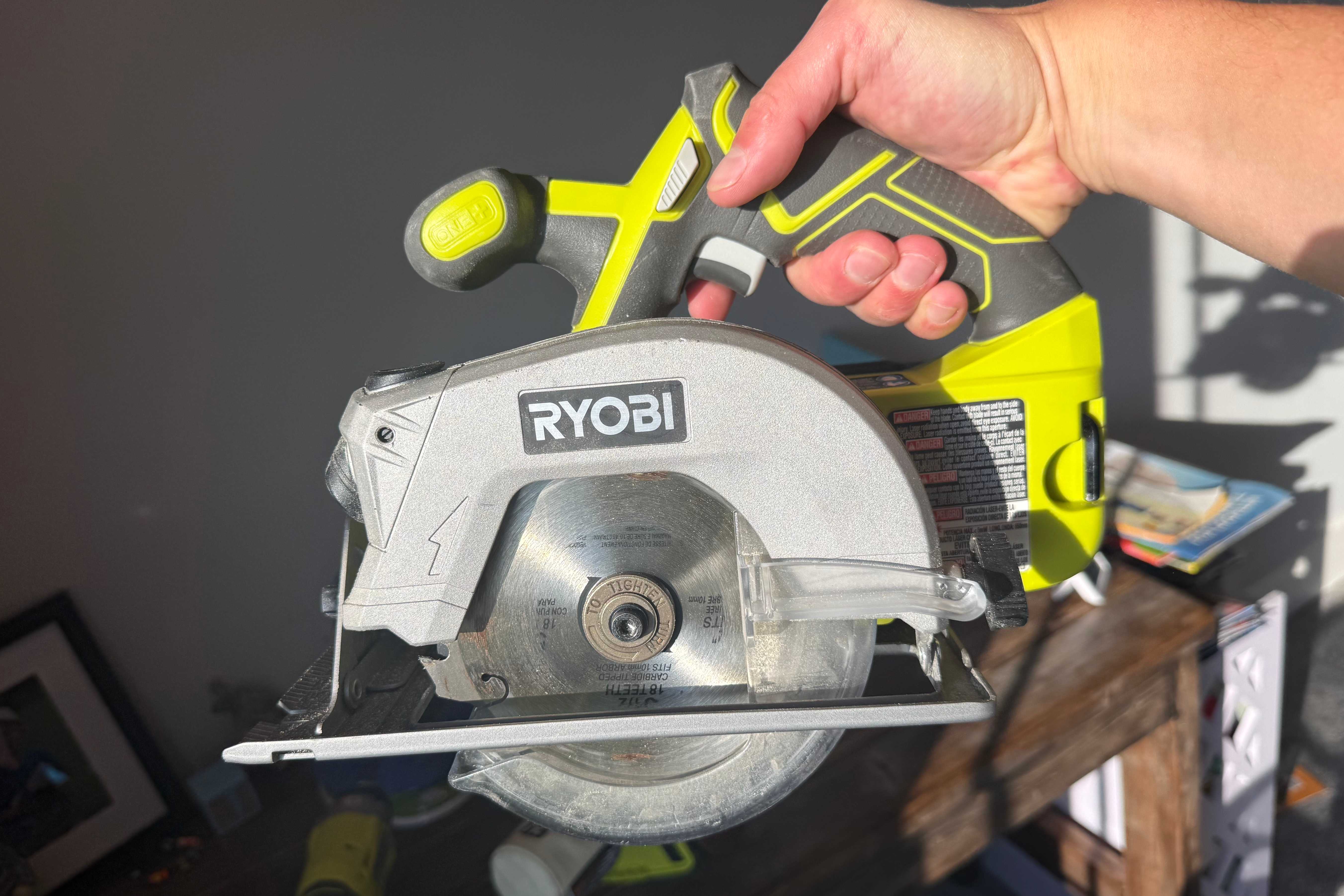
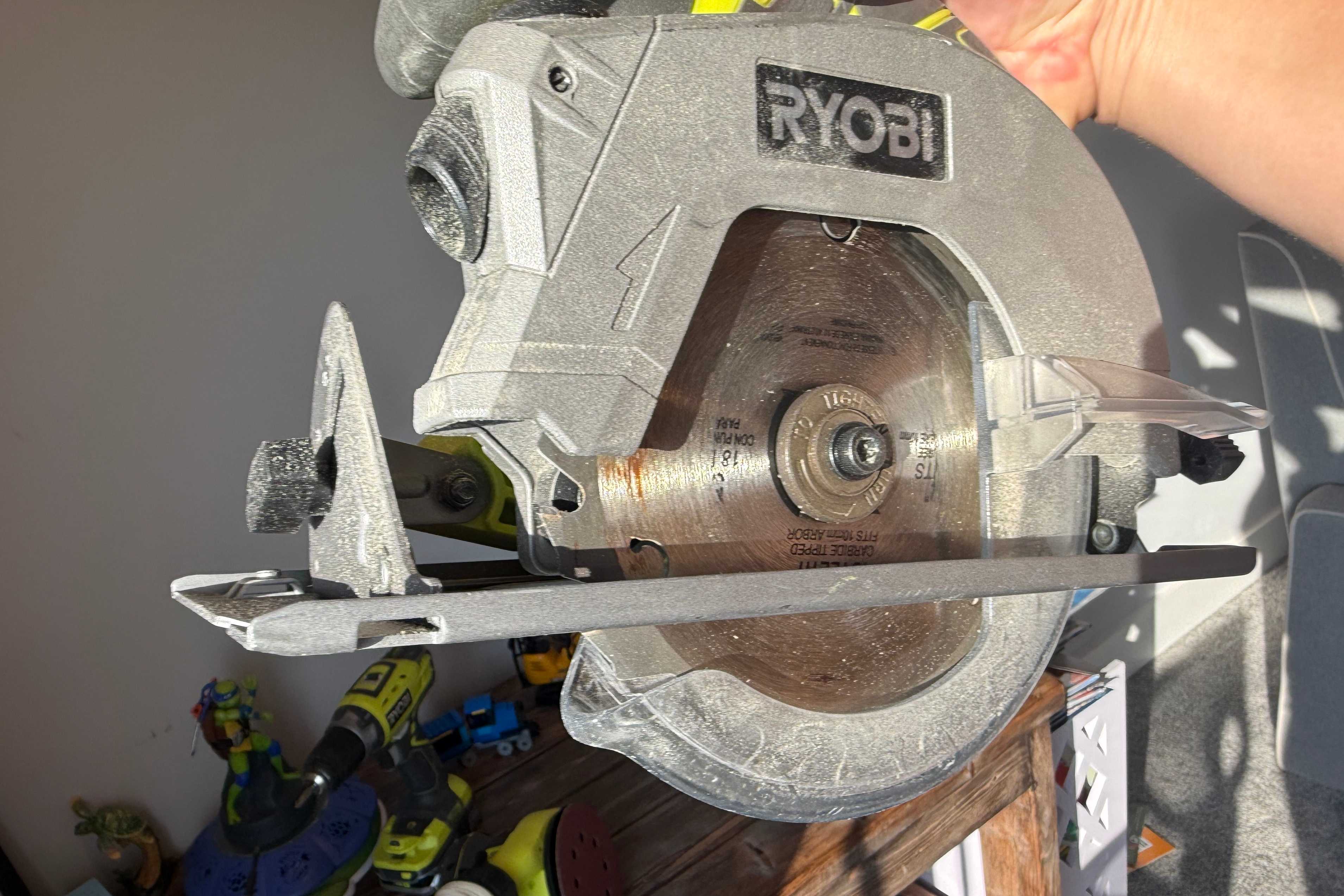
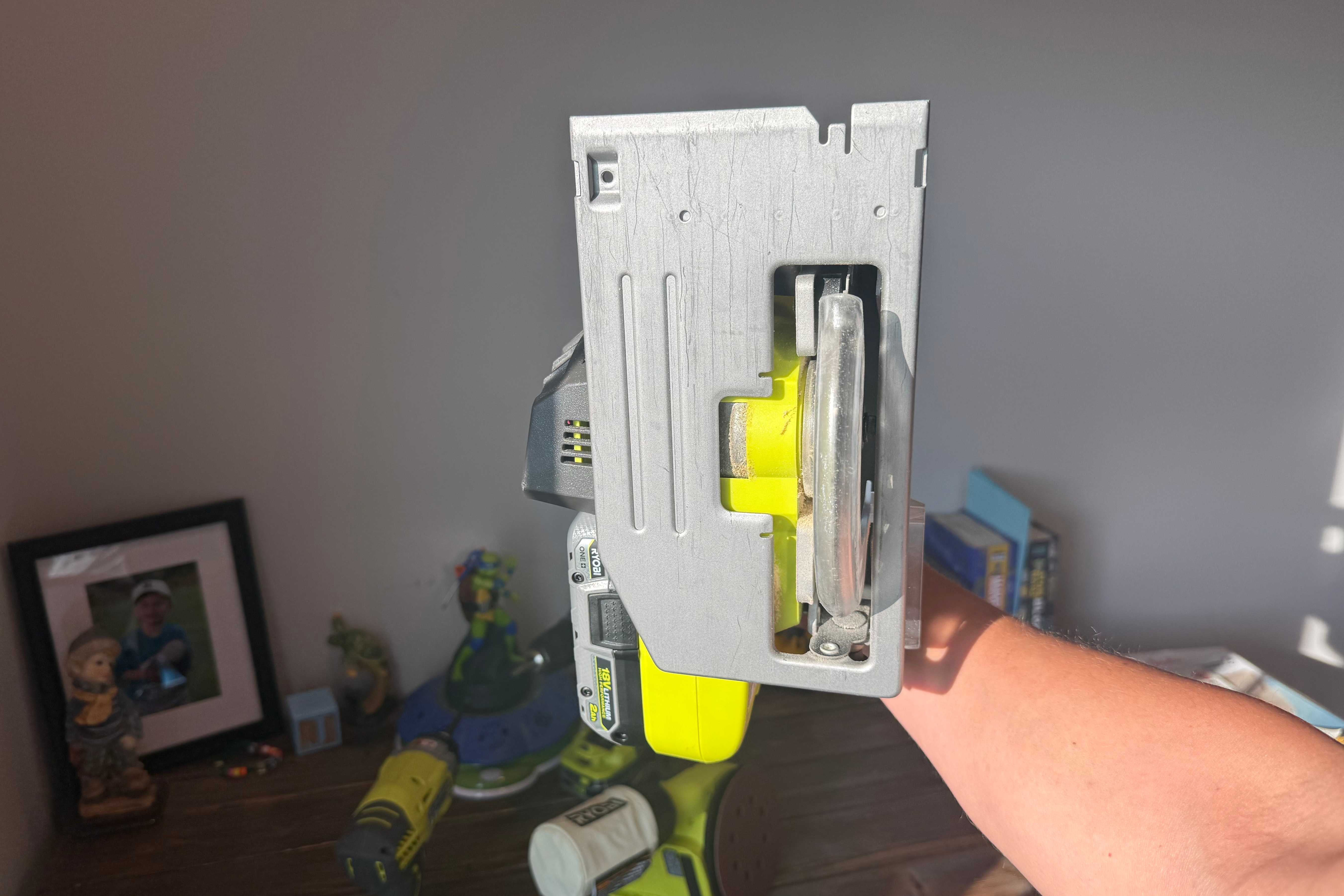
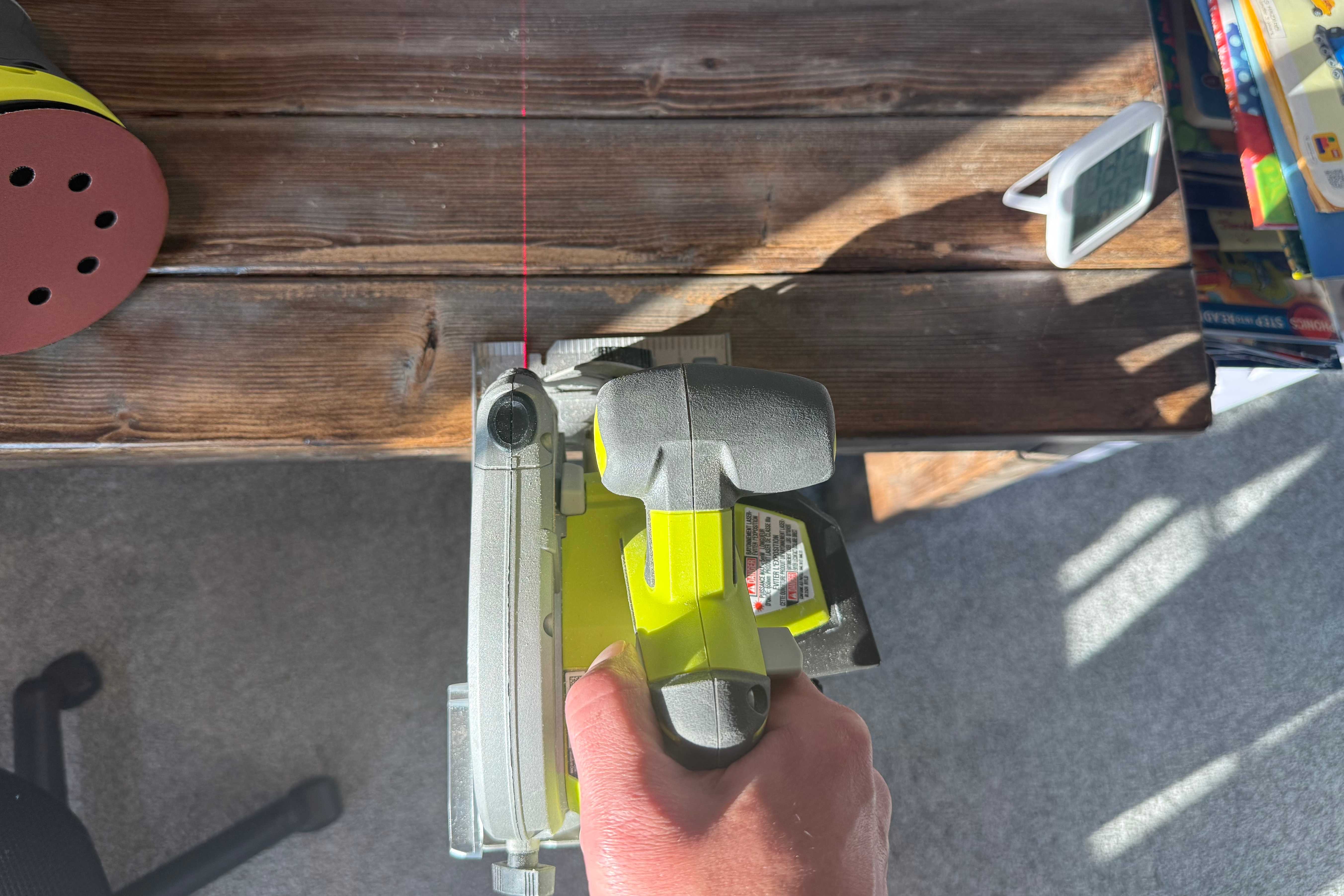
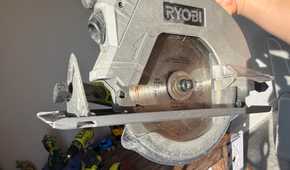
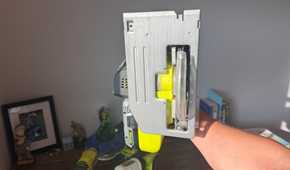
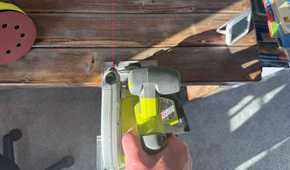
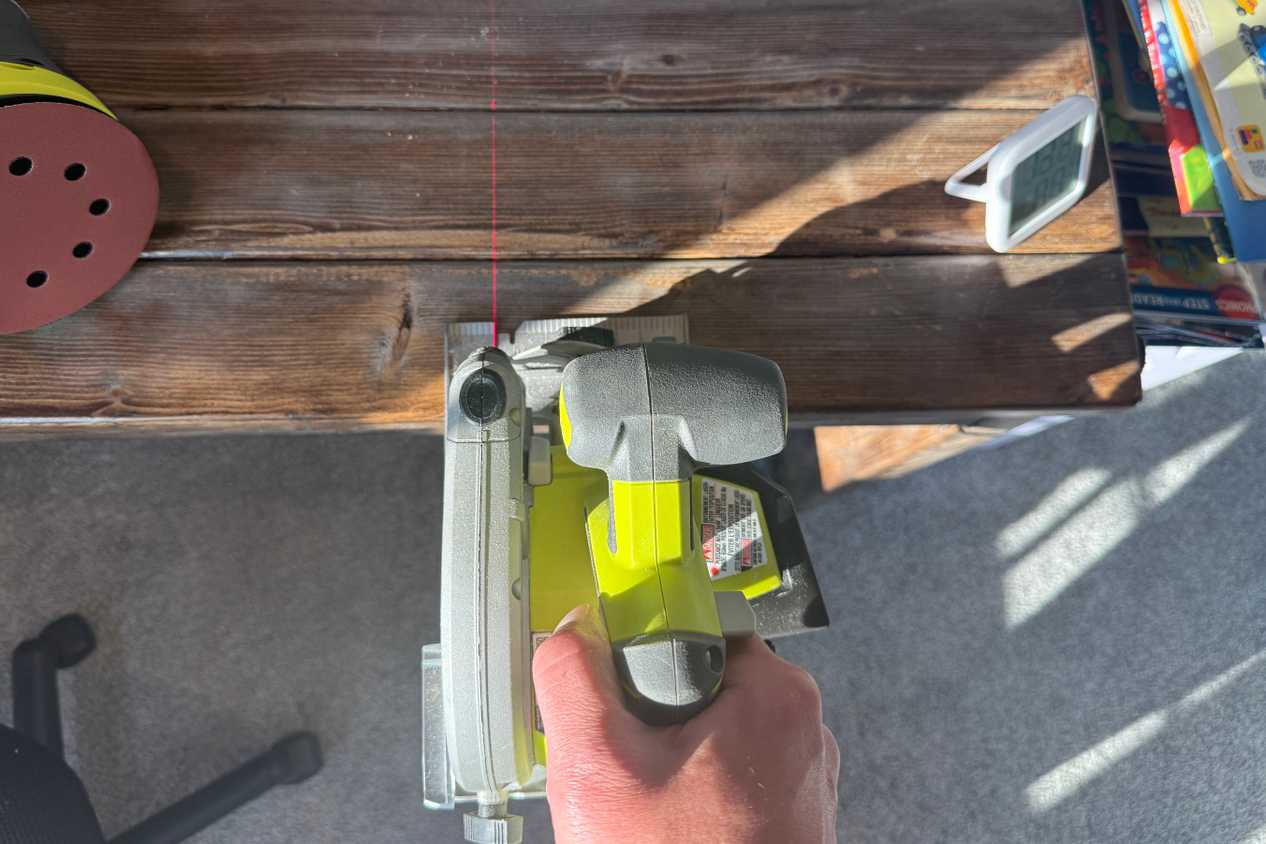
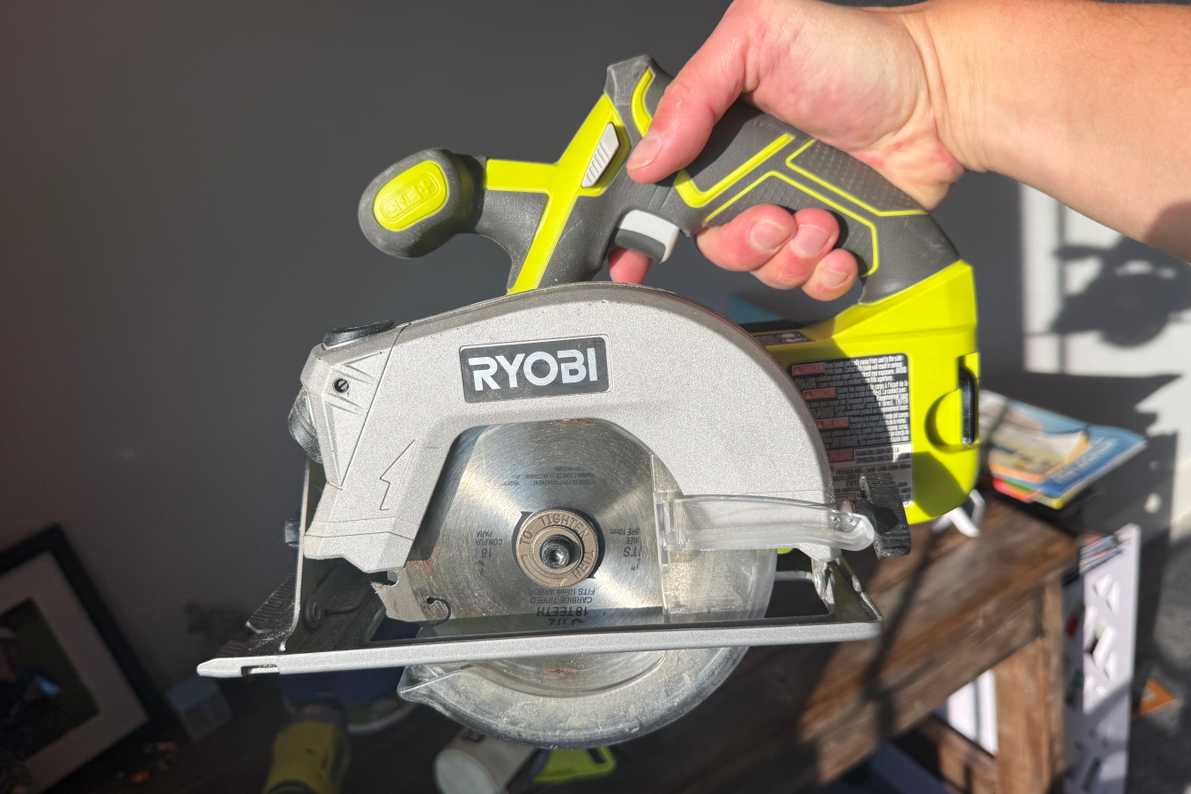
My 5-1/2-inch ONE+ saw has a brushed motor, and it got me through a desk build and years of 2x4 crosscuts. Plywood is where it runs out of breath. A 4-foot rip keeps the blade buried for the entire pass, the motor slows, and I end up easing my feed rate to match it. The HP brushless track saw doesn't behave that way. It carries its blade speed from one end of the sheet to the other, and that contrast sold me on the motor more than any spec sheet did.
Ryobi rates the HP brushless 7-1/4-inch saw at up to 40% faster cutting and more than 325 cuts per charge. It lists around $129 bare, roughly double the small brushed saw, and it's the first place I'd spend the difference.
The drill/driver
Hole saws punish a brushed motor





 Credit: Jonathon Jachura / MUO
 Credit: Jonathon Jachura / MUO
 Credit: Jonathon Jachura / MUO
 Credit: Jonathon Jachura / MUO
 Credit: Jonathon Jachura / MUO
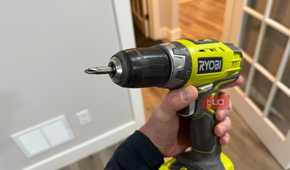
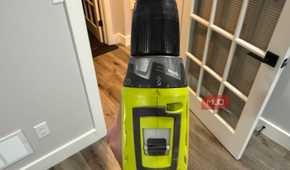
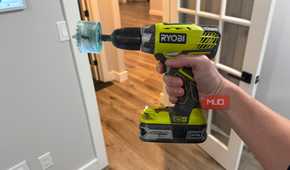
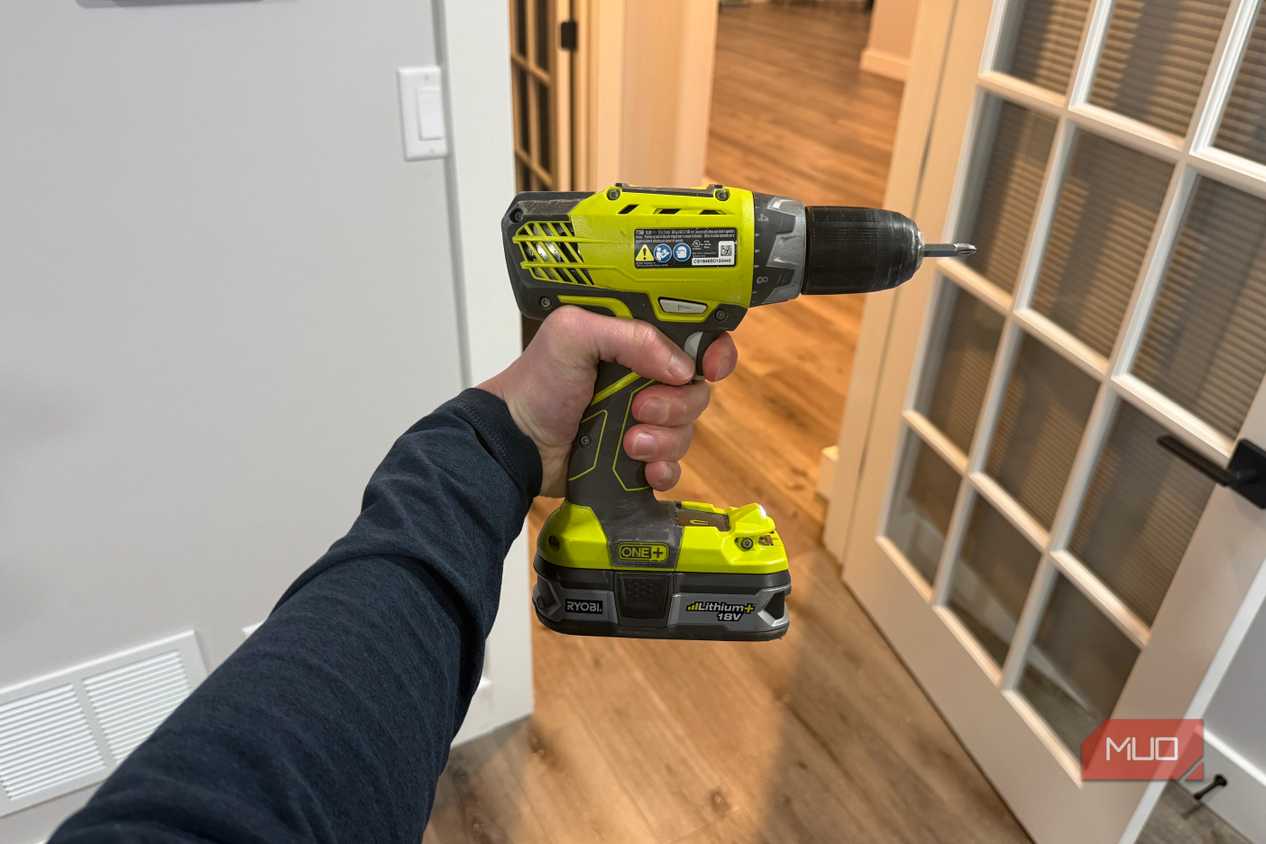
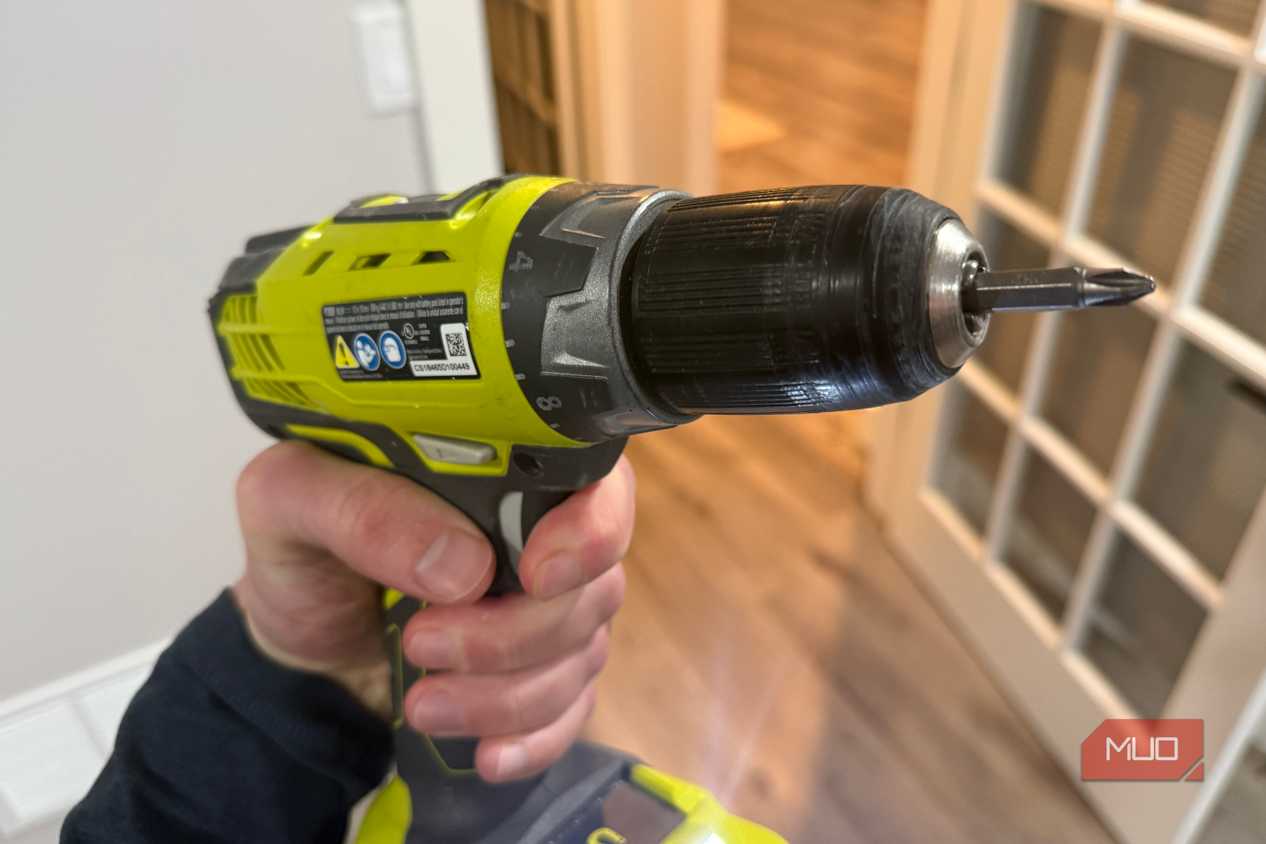
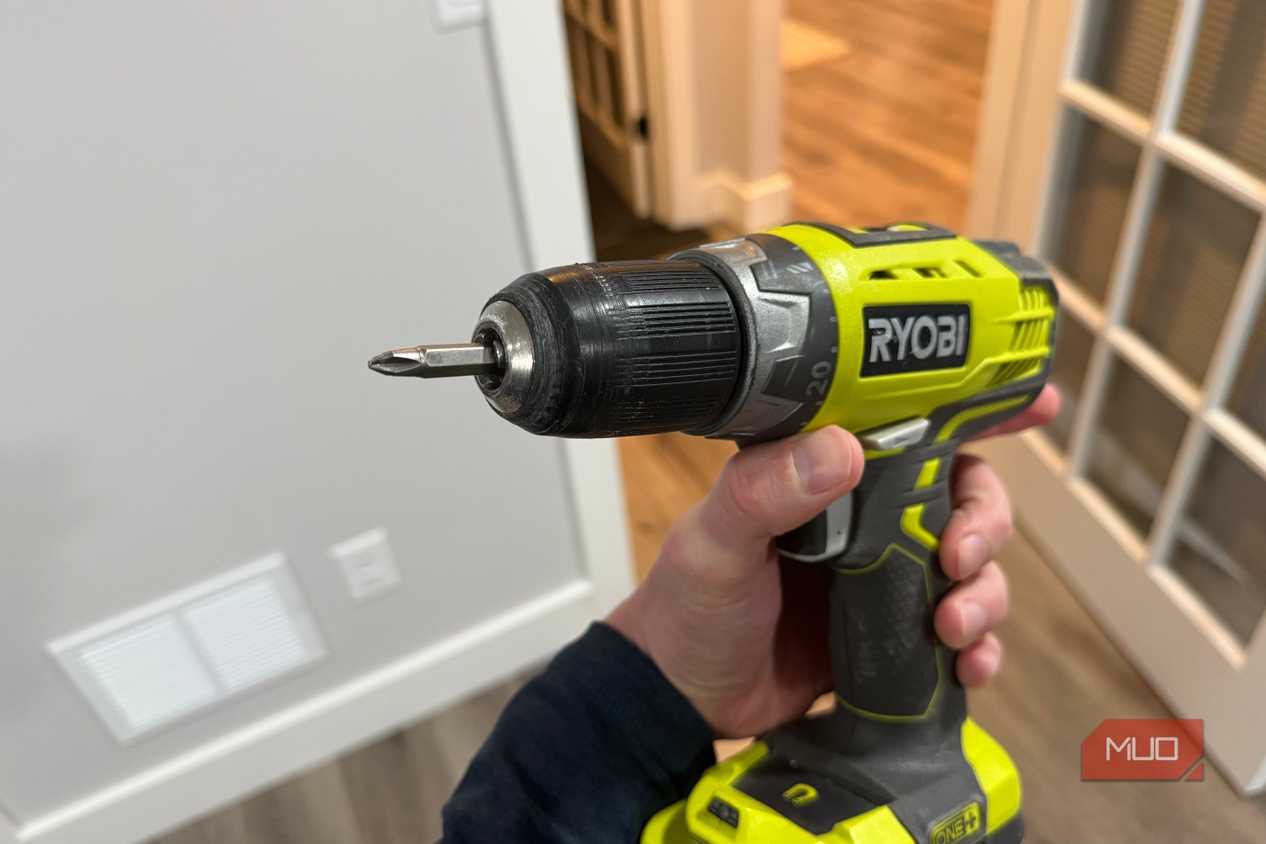
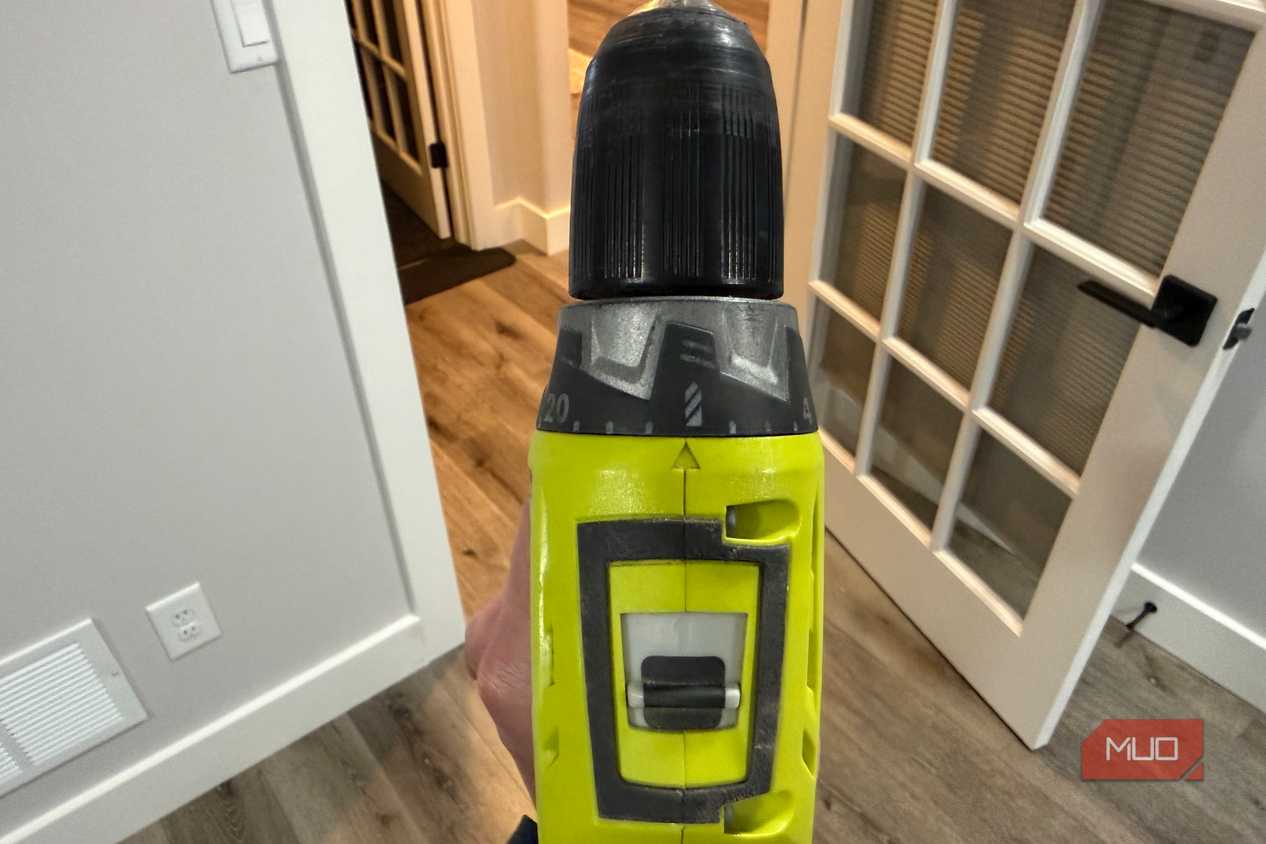
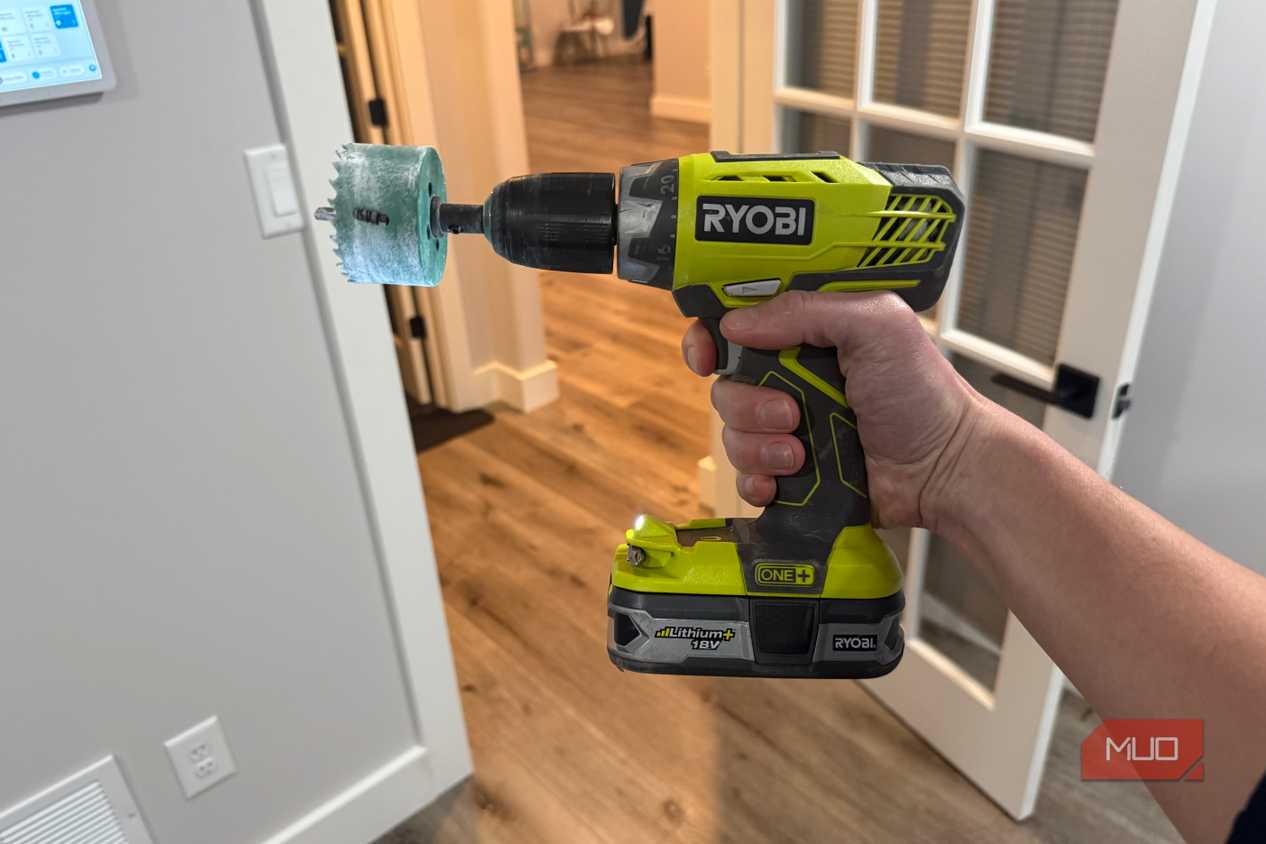
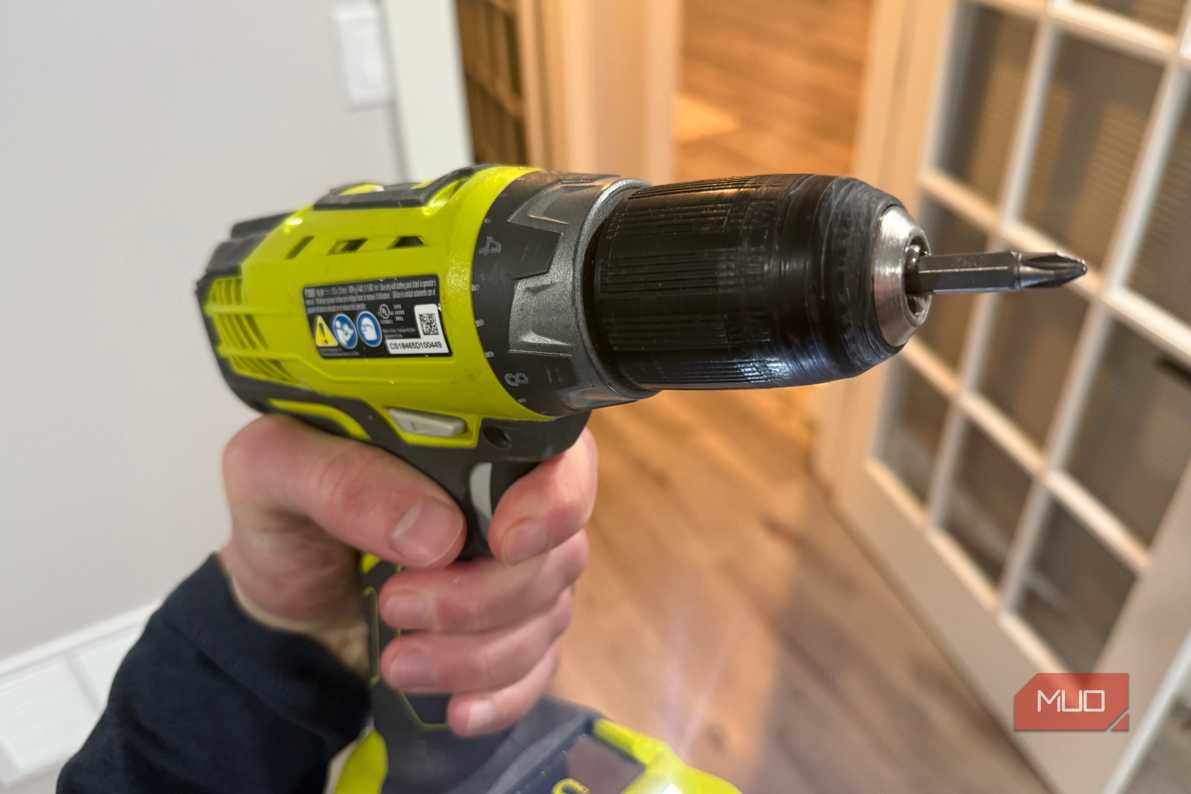
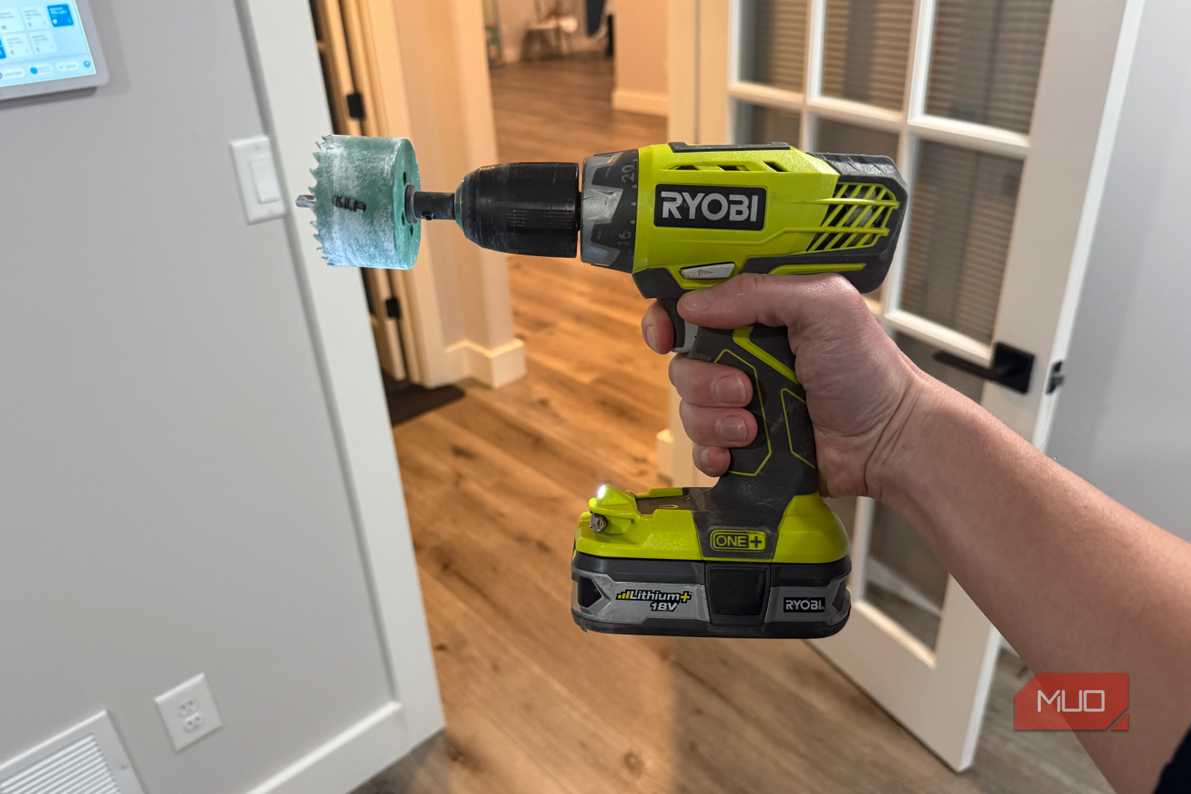
My drill is the brushed PCL206, and it's next in line for replacement. For pilot holes and cabinet screws, it has never left me wanting. Then I chucked a large bimetal hole saw into it for desk grommets and, later, for duct runs in my basement. A hole saw loads the motor hard for 30 seconds or more at a time, hole after hole. The drill ran warm, and the battery gauge fell faster than on any other job I've handed it.
The brushed model makes 515 in-lbs of torque for about $59. The HP brushless drill makes 750 in-lbs for $99. That $40 buys headroom for the exact work that makes a brushed drill struggle, including hole saws, spade bits, and long augers through framing. If you’ll only hang pictures with your drill, keep the cheap one.
The compact impact driver
The smaller motor is the whole point+


 Credit: Jonathon Jachura / MUO
 Credit: Jonathon Jachura / MUO
 Credit: Jonathon Jachura / MUO
 Credit: Jonathon Jachura / MUO
 Credit: Jonathon Jachura / MUO
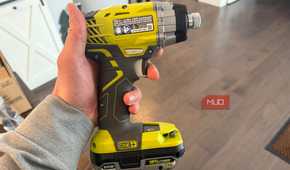
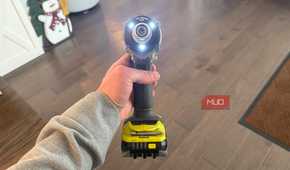
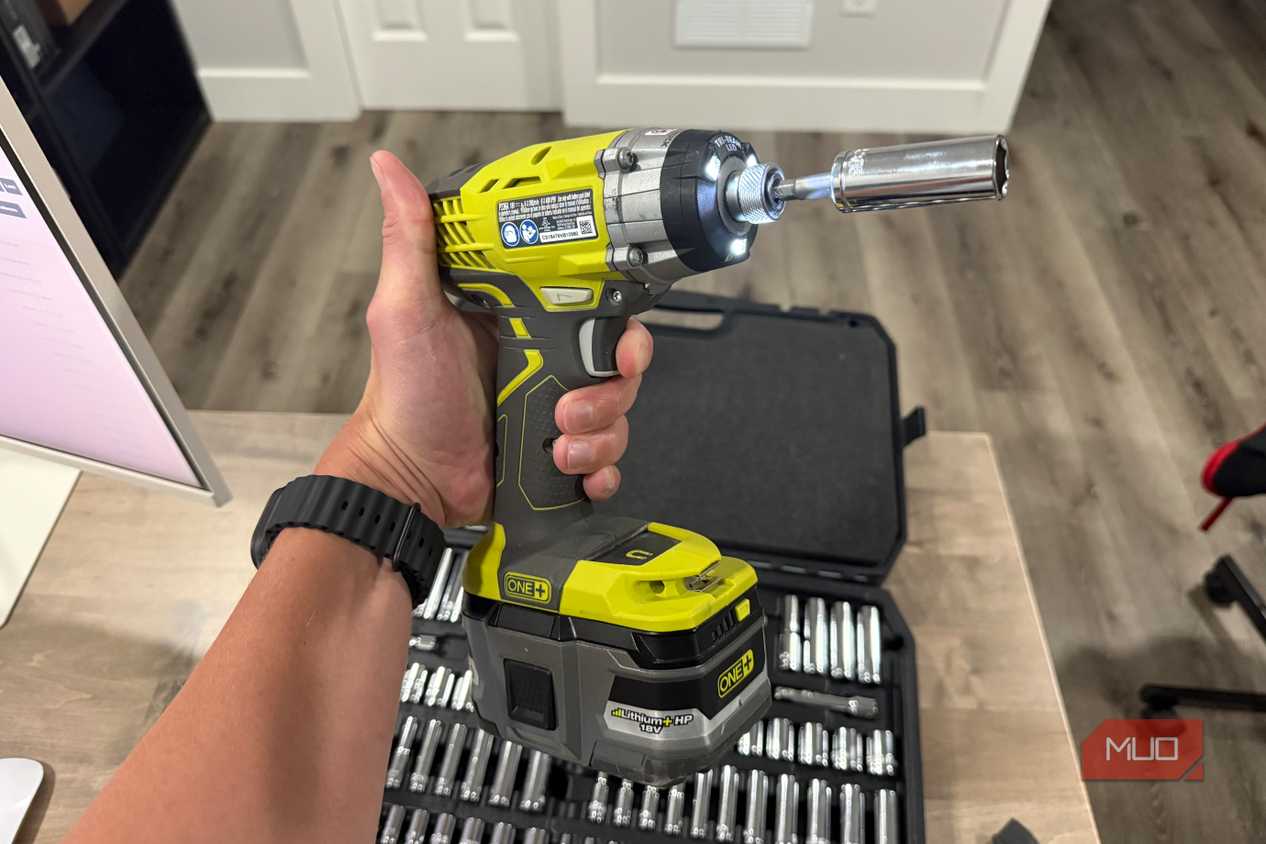
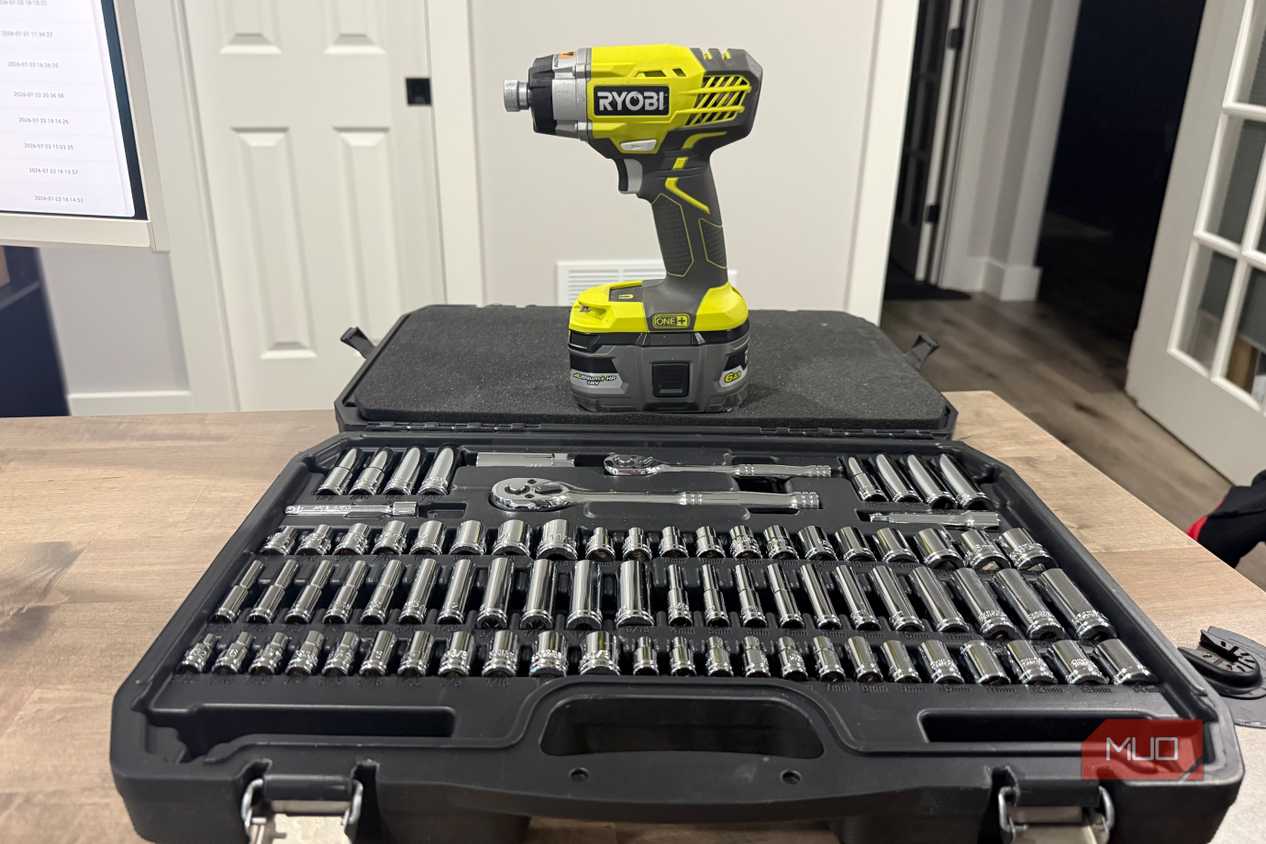
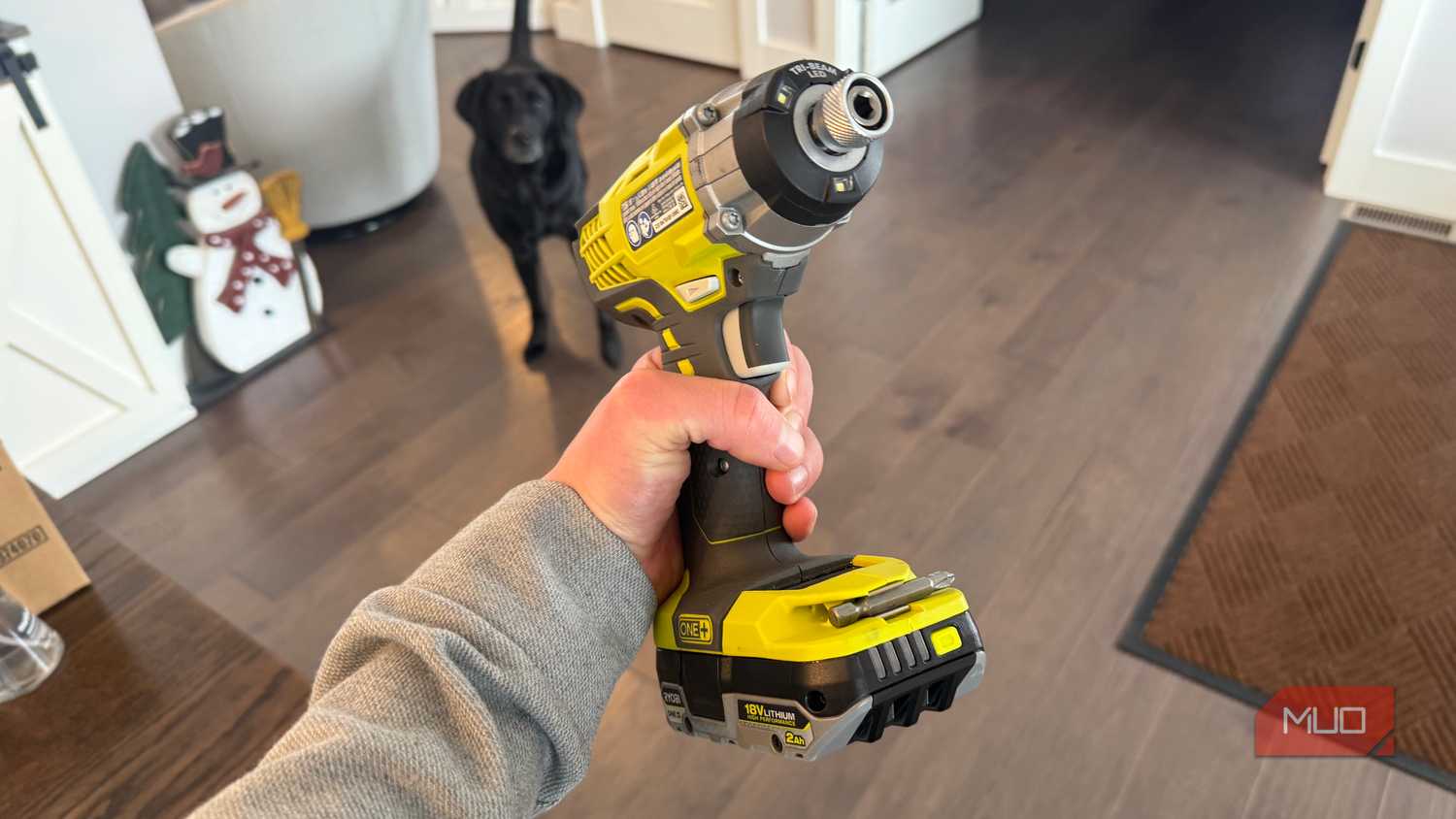
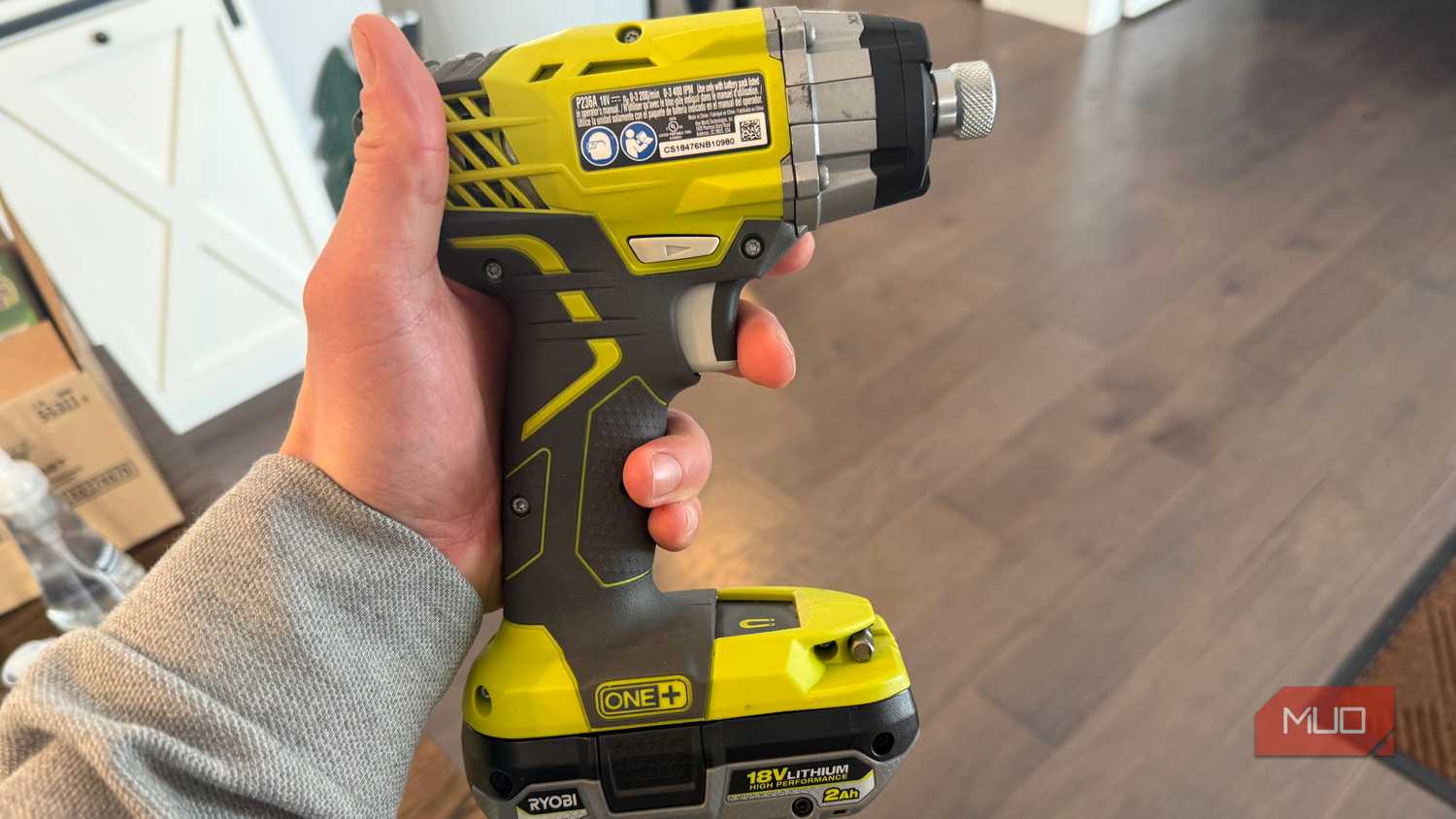
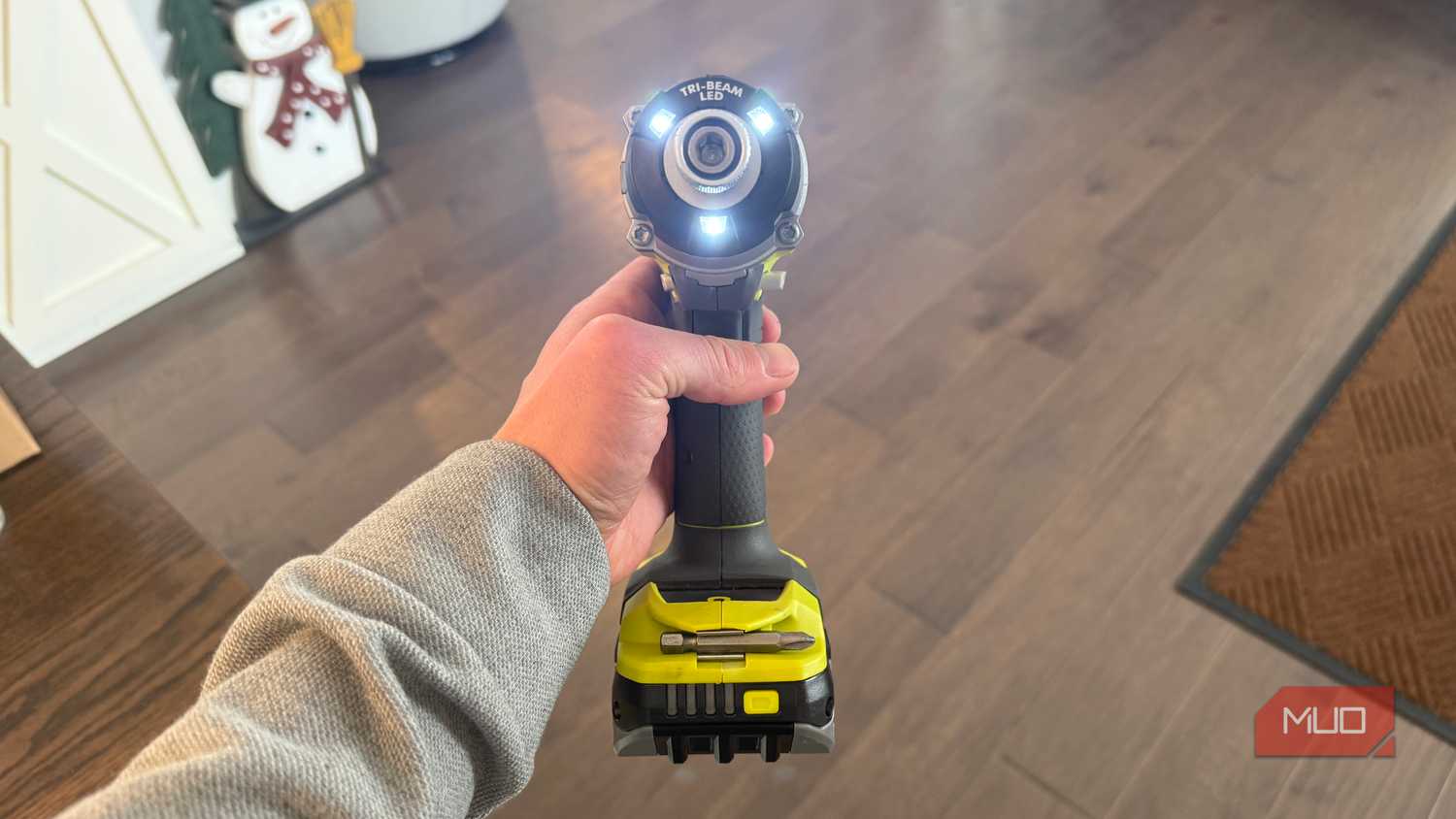
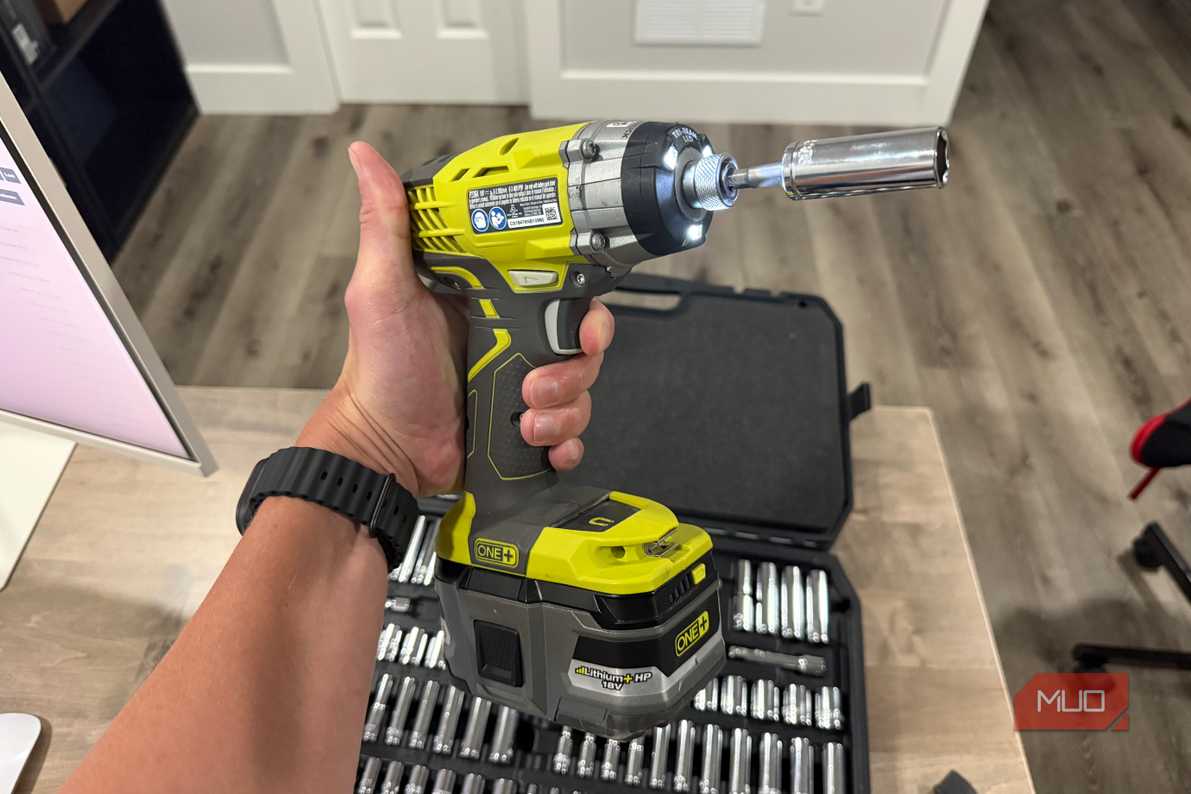
Power isn't the argument on this one. Ryobi's brushed impact driver actually posts a slightly higher torque number, 1,800 in-lbs against 1,700, and costs about $59. What the HP compact brushless driver buys is size. A brushless motor is physically shorter, so the tool measures 5.3 inches from collet to tail and weighs noticeably less than the brushed version.
I bought mine bare for about $84, and it's the driver I used to mount my folding squat rack. A tool I can hold at arm's length without my wrist complaining is a tool I place more carefully, and a short nose reaches fasteners that a full-size driver can't line up on. It's also one of the tools that runs better on a compact battery, which keeps the whole package small.
The 40V stick edger
Dirt is a heavier load than grass
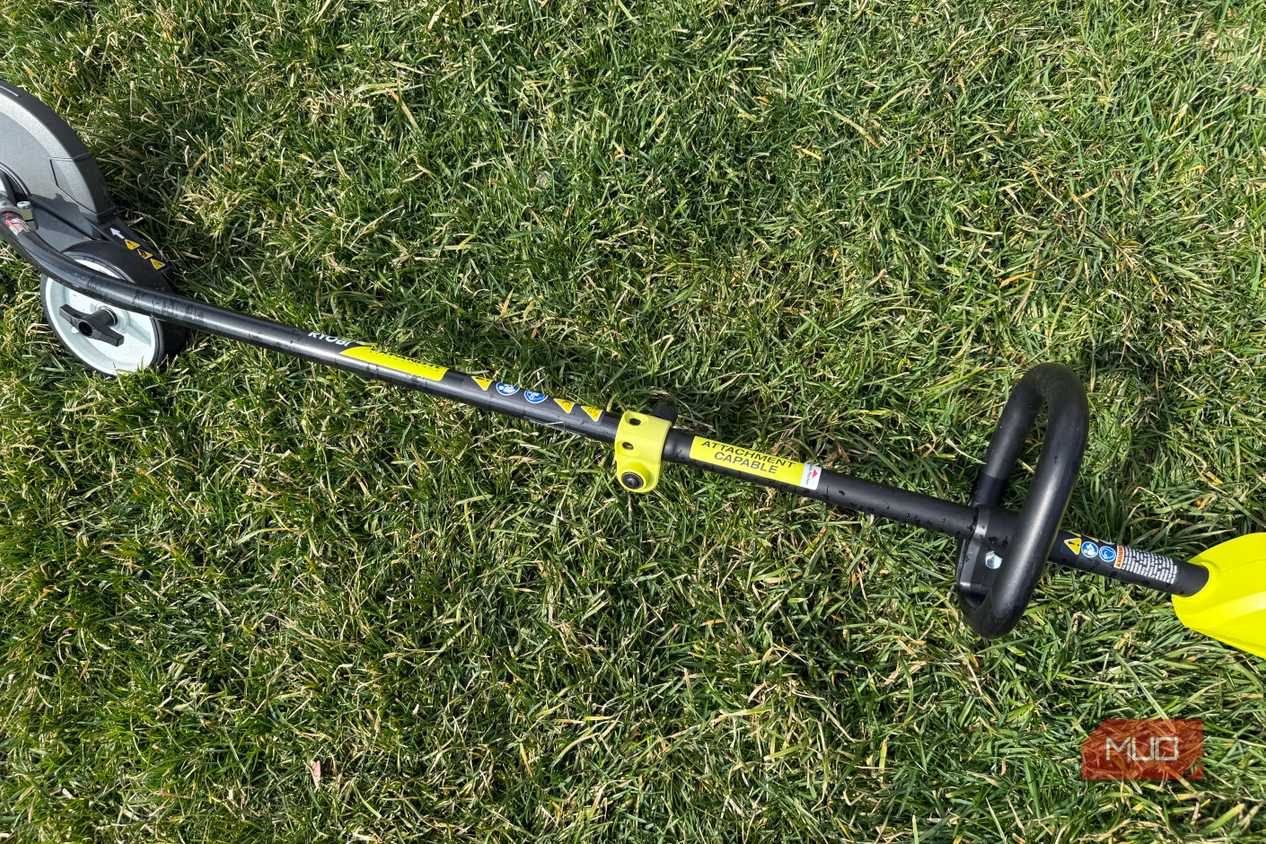
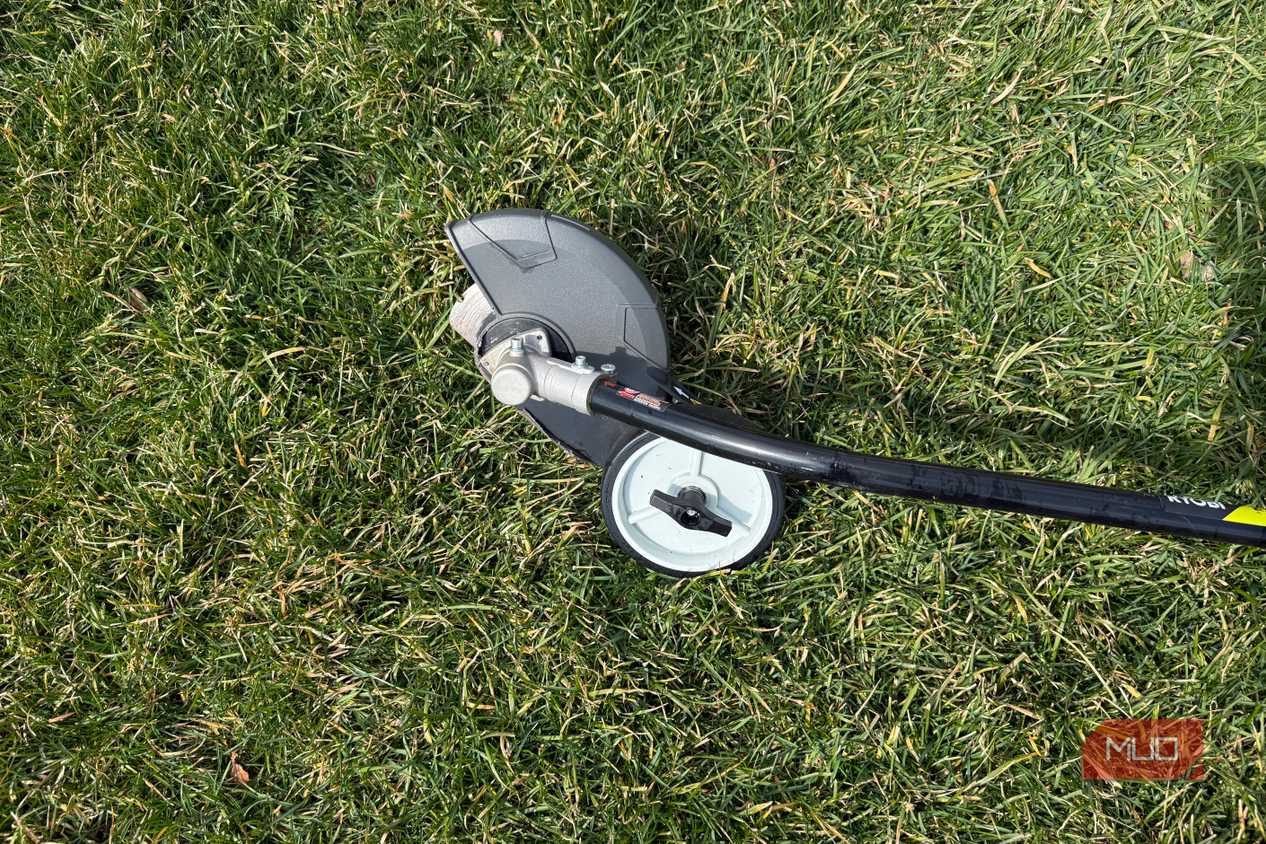
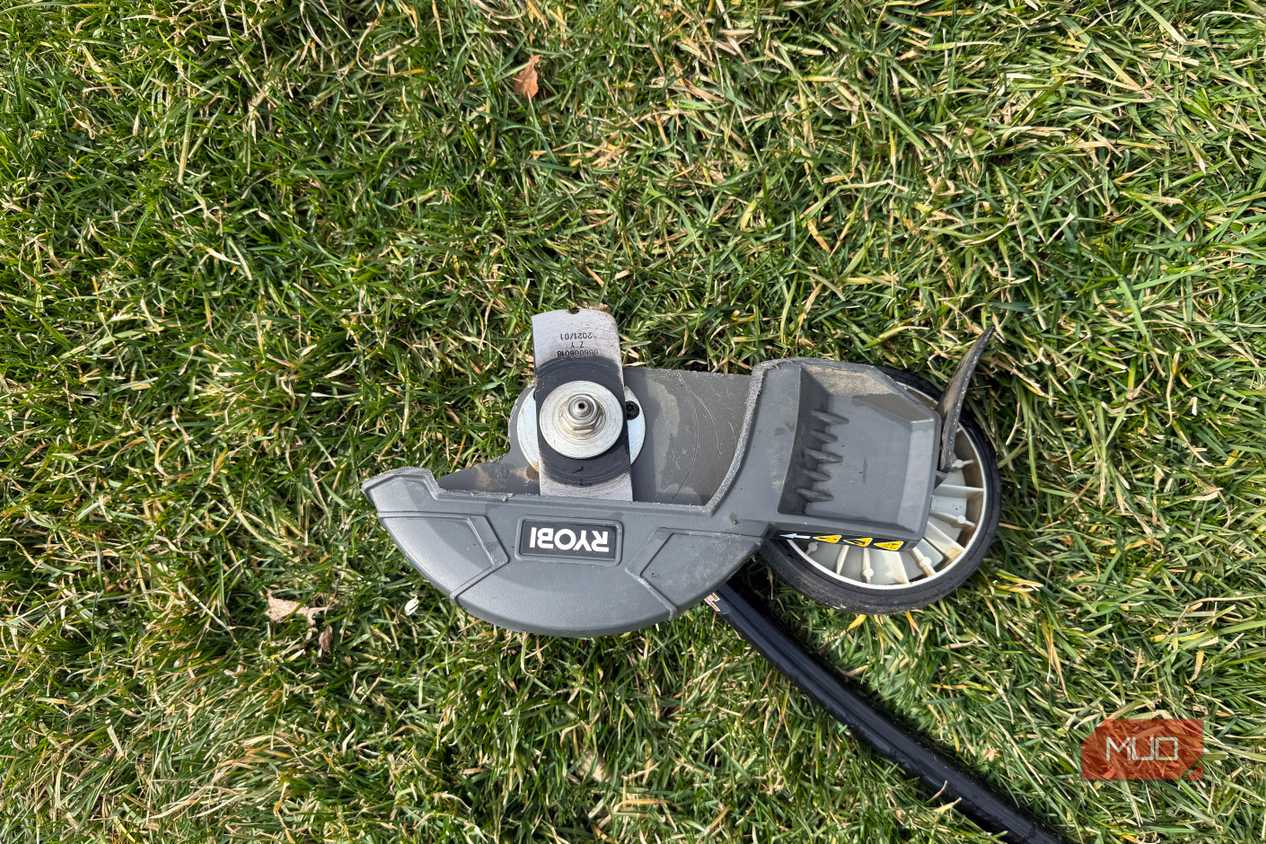


 Credit: Jonathon Jachura / MUO
 Credit: Jonathon Jachura / MUO
 Credit: Jonathon Jachura / MUO
 Credit: Jonathon Jachura / MUO
 Credit: Jonathon Jachura / MUO
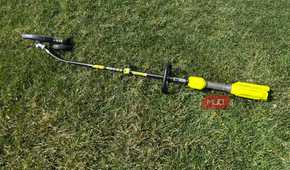
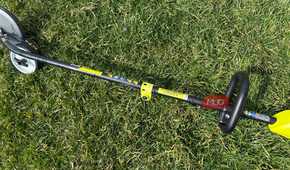
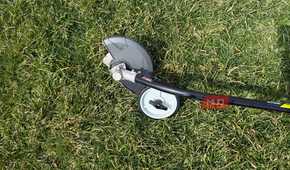
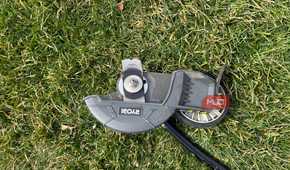
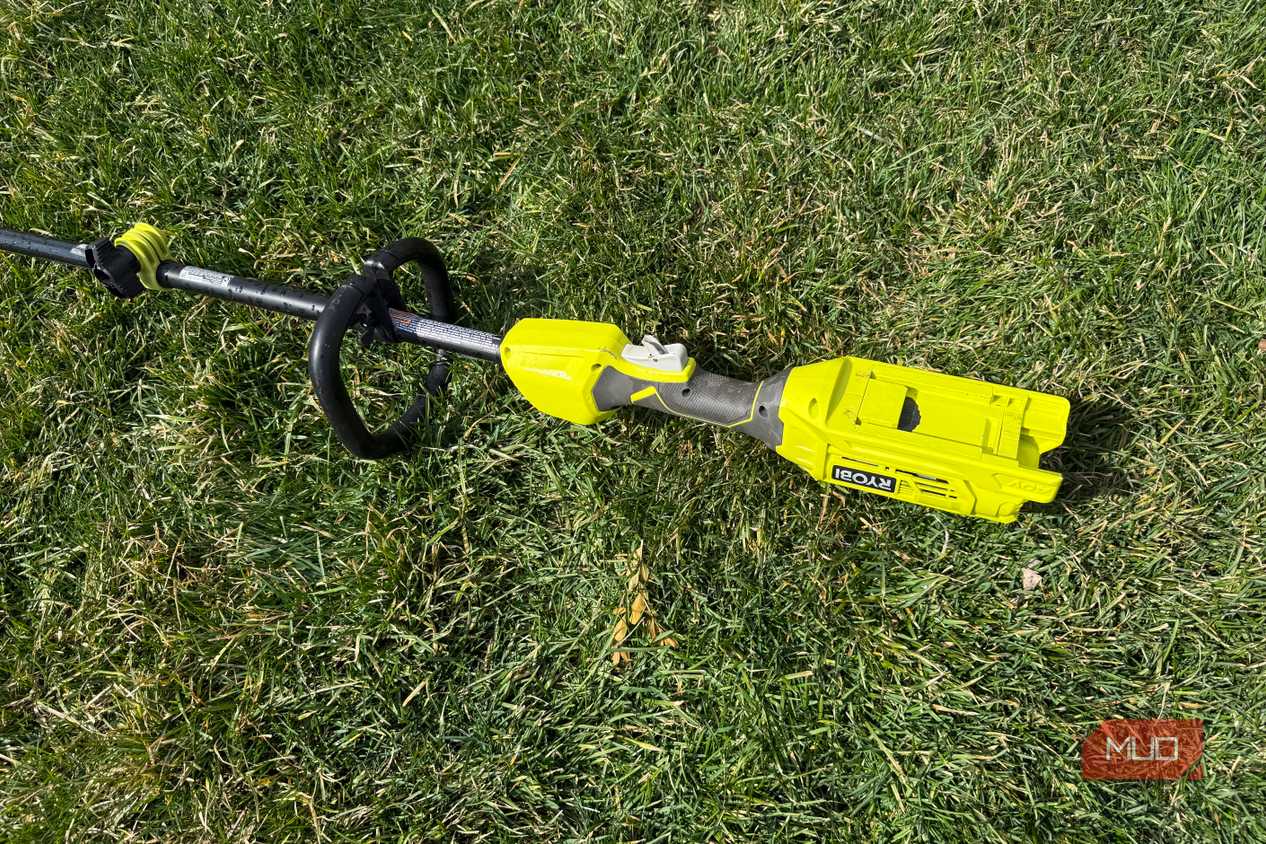
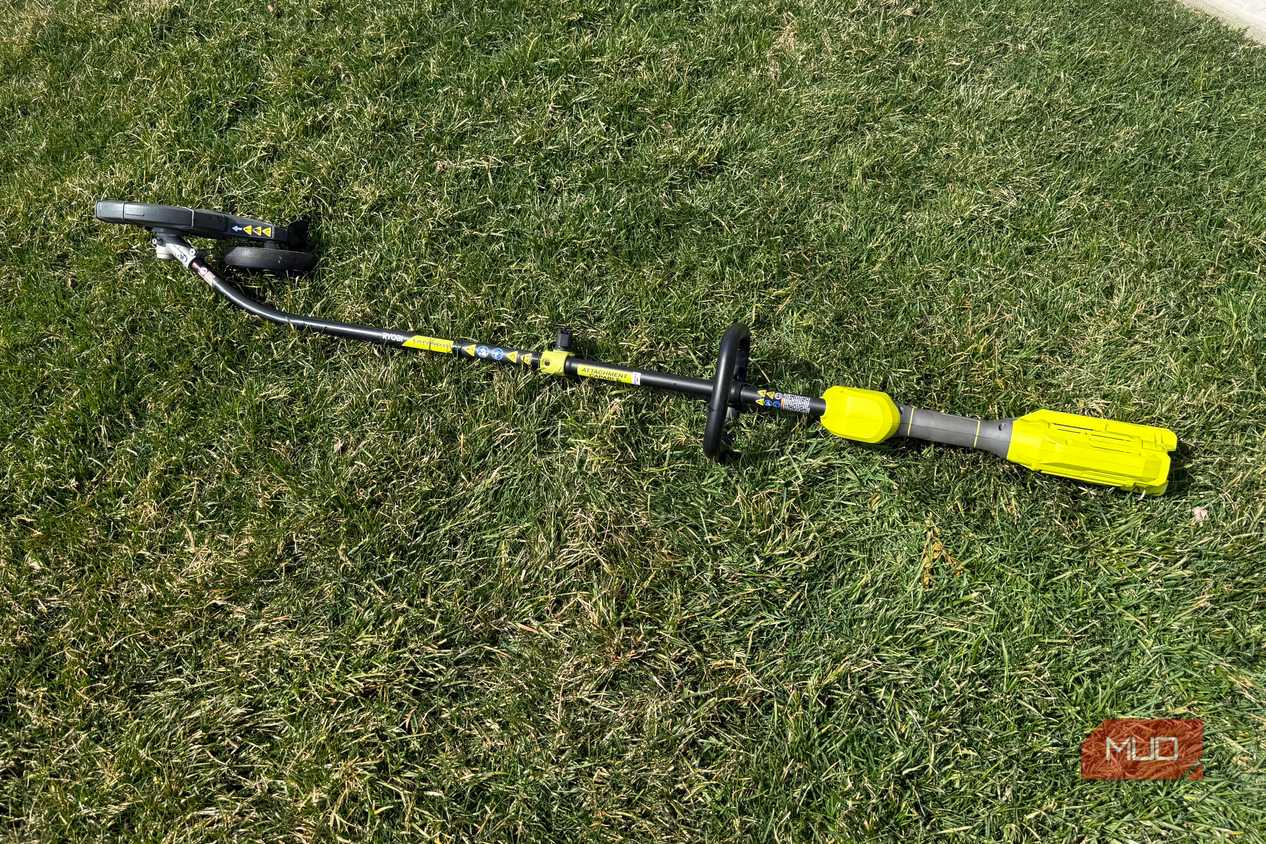
An edger blade spins through soil, roots, and the occasional buried rock. That's far more resistance than string meeting grass, and it lasts the length of every driveway and sidewalk on the property. My 40V HP brushless edger cuts a clean trench along all of it, including stretches where turf has crept over the concrete.
Ryobi says it delivers more power than a 21cc gas edger, and the company's own comparison puts it 70% ahead of an edger attachment on a standard 40V power head. At $259 bare, it's the most expensive tool here. I'd still choose it over the attachment route, because an underpowered edger rides up out of the cut and leaves you making a second pass. It's a good example of why you should get 40V versions of yard tools in the first place.
The 40V leaf blower
A fan at full speed is the hardest life a motor gets


 Credit: Jonathon Jachura / MUO
 Credit: Jonathon Jachura / MUO
 Credit: Jonathon Jachura / MUO
 Credit: Jonathon Jachura / MUO
 Credit: Jonathon Jachura / MUO
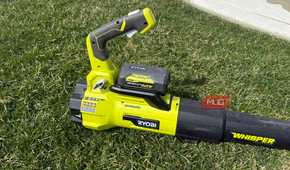
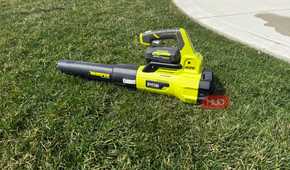
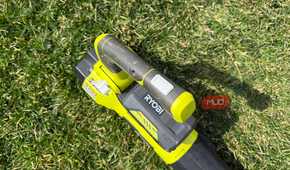
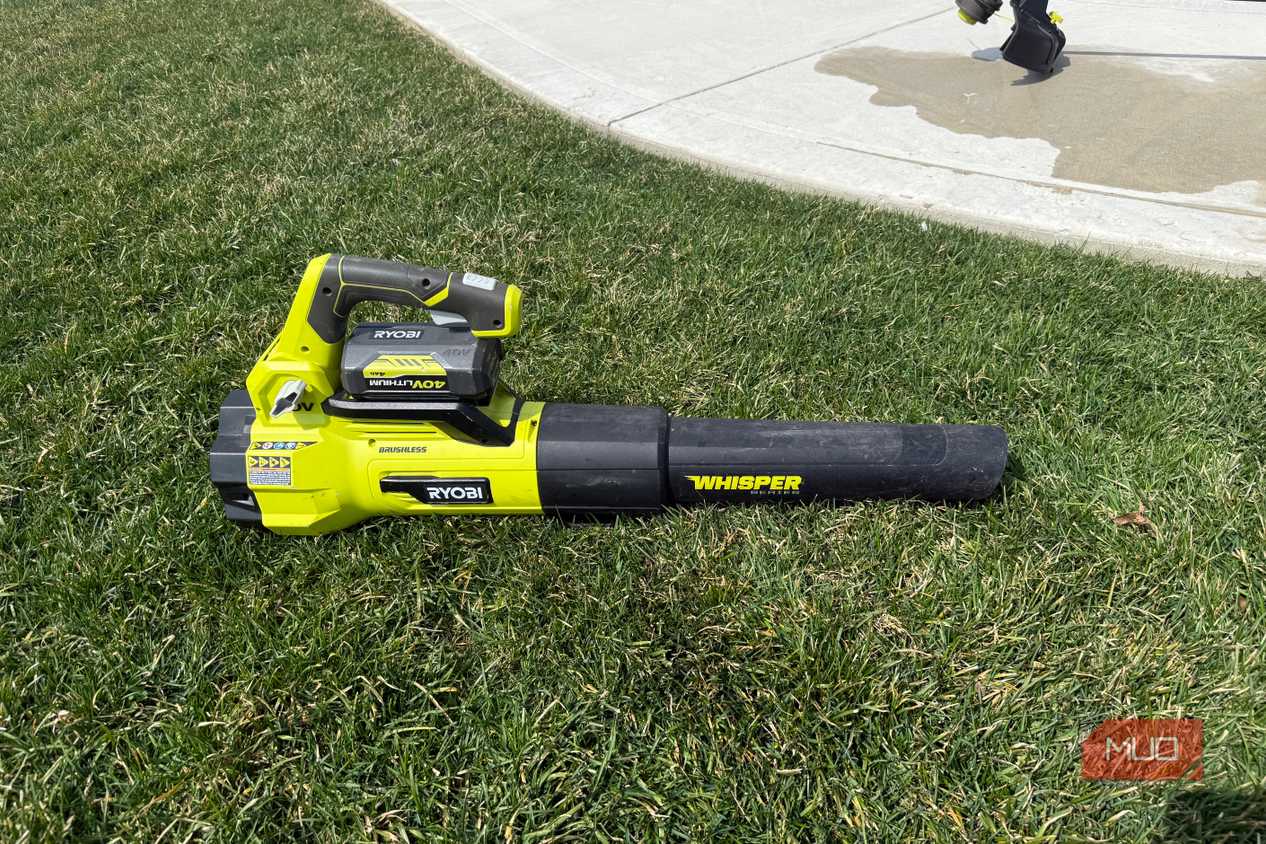
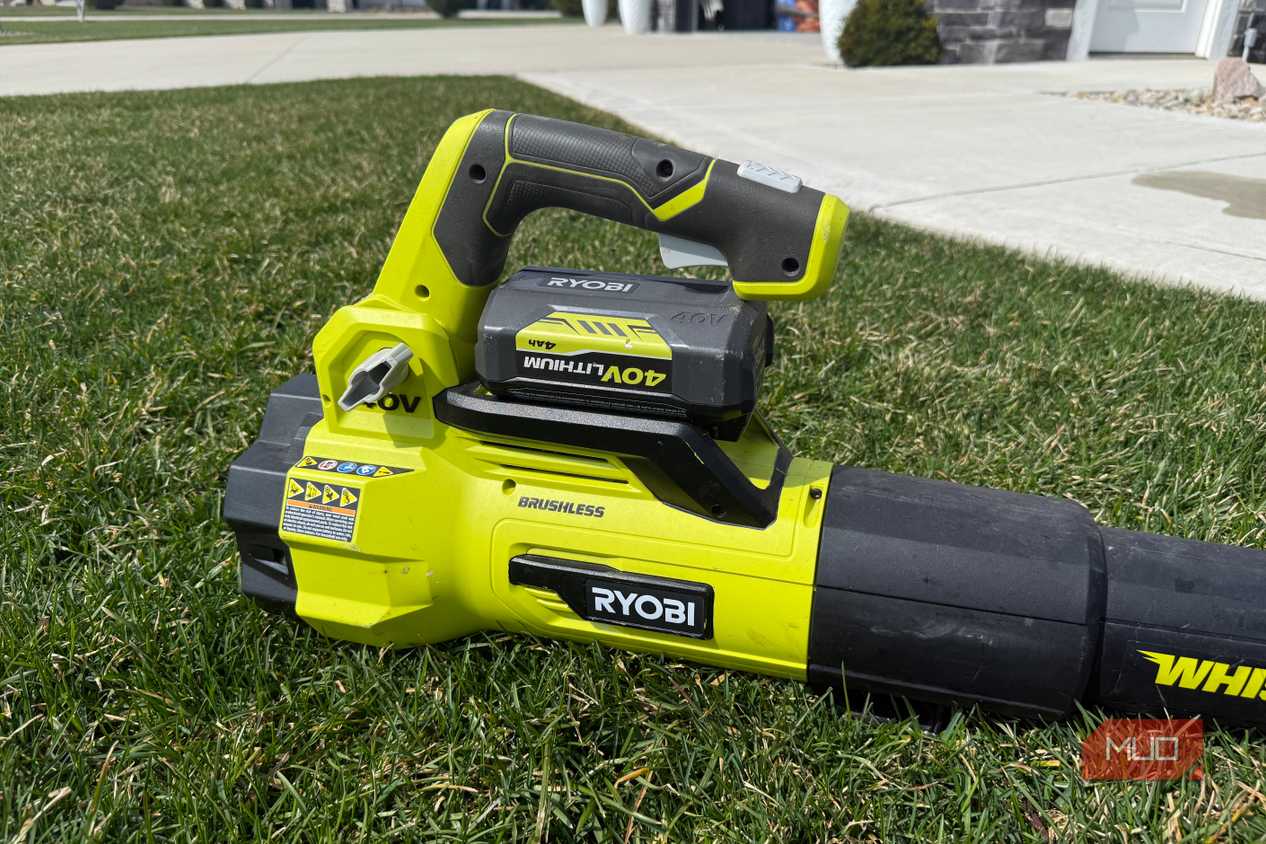
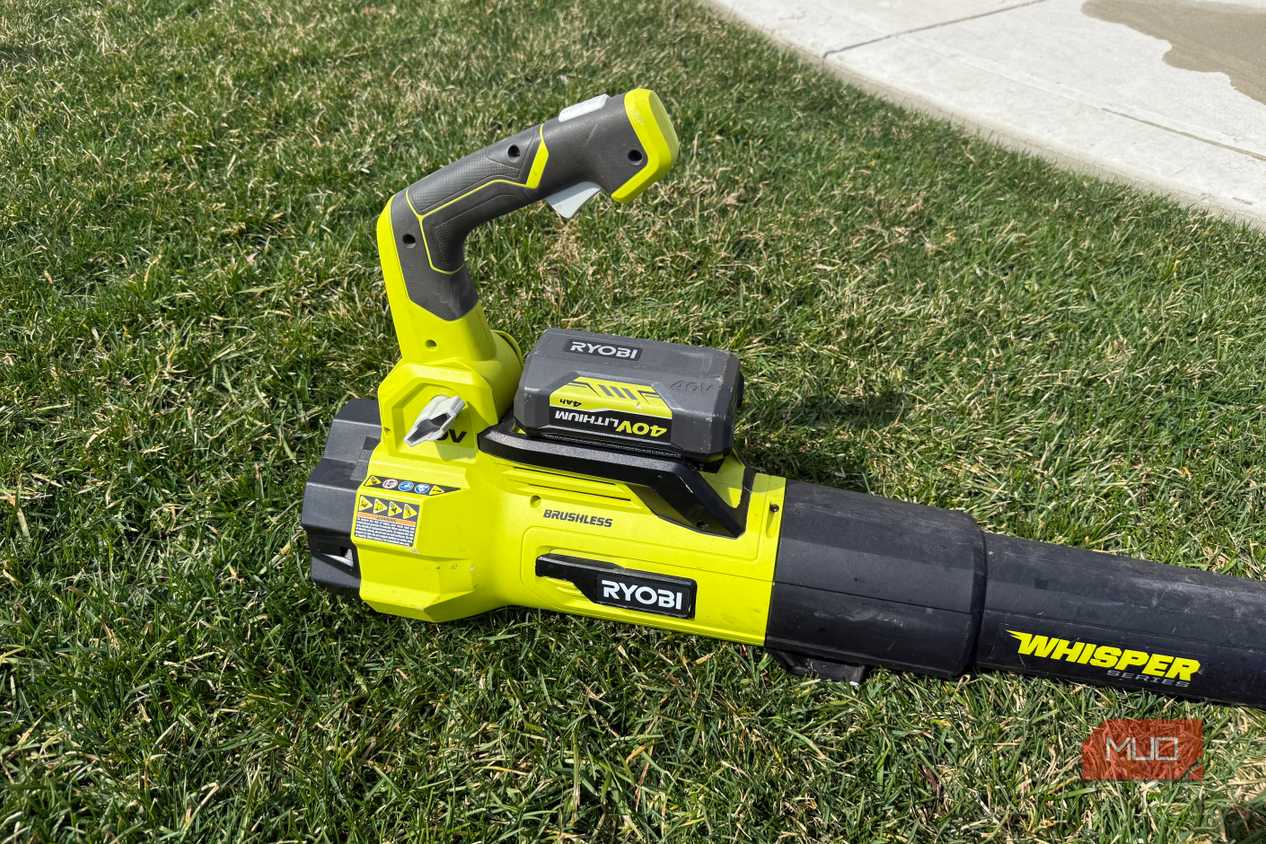
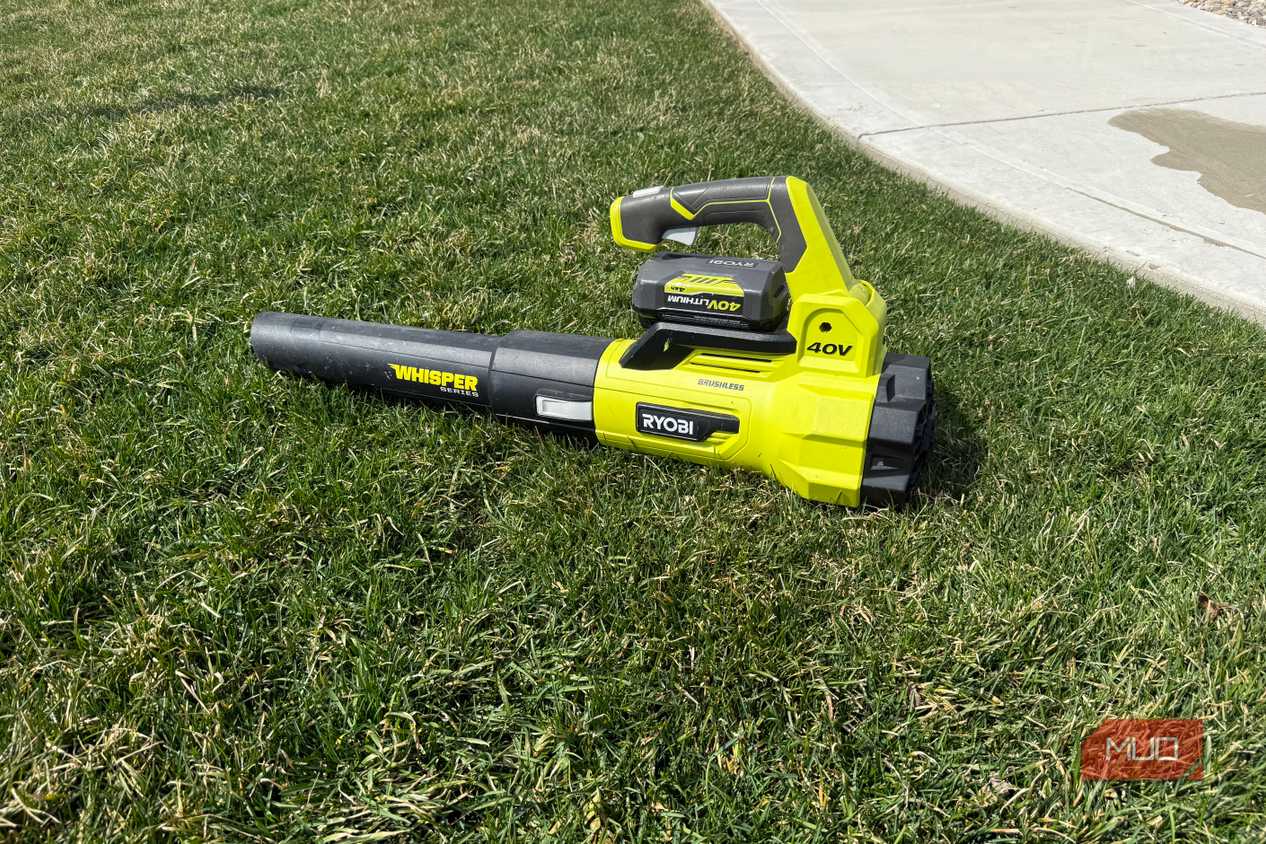
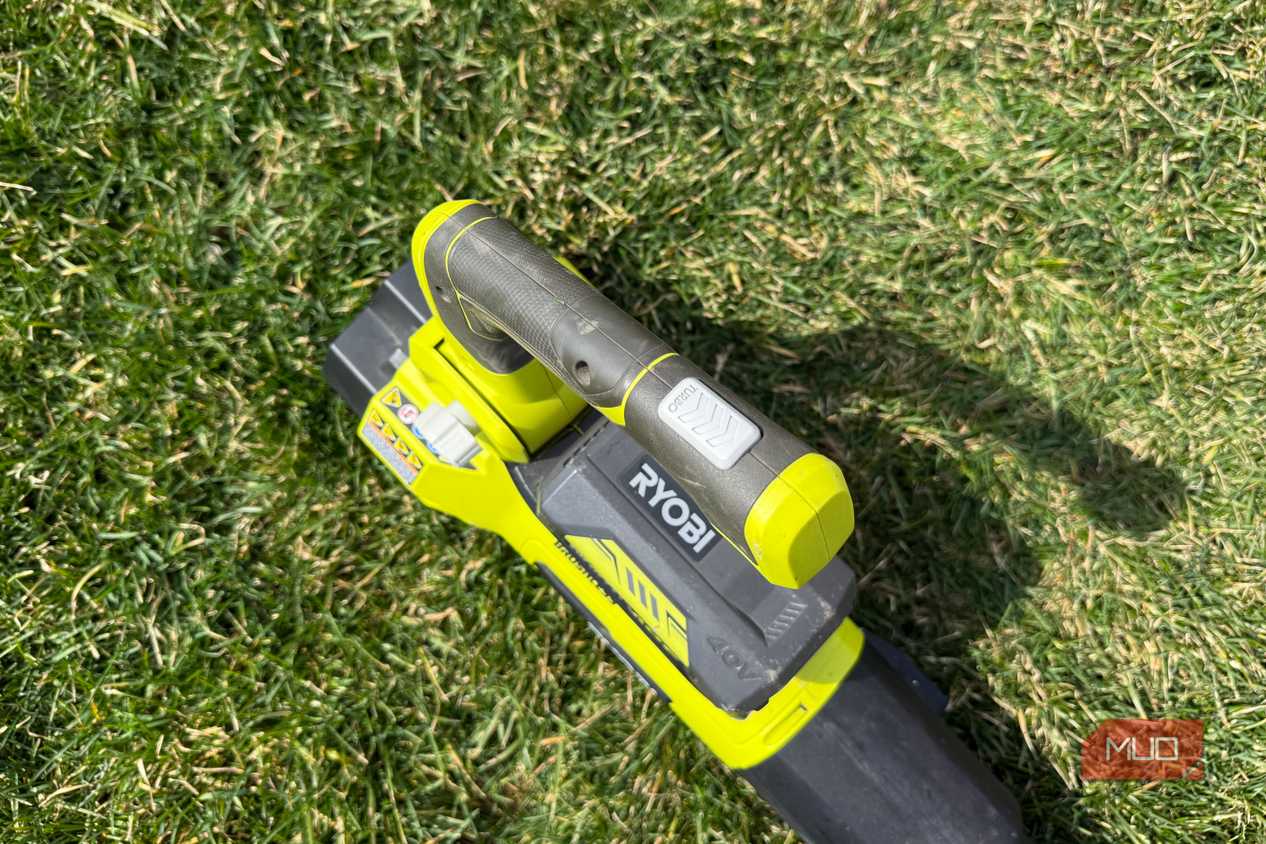
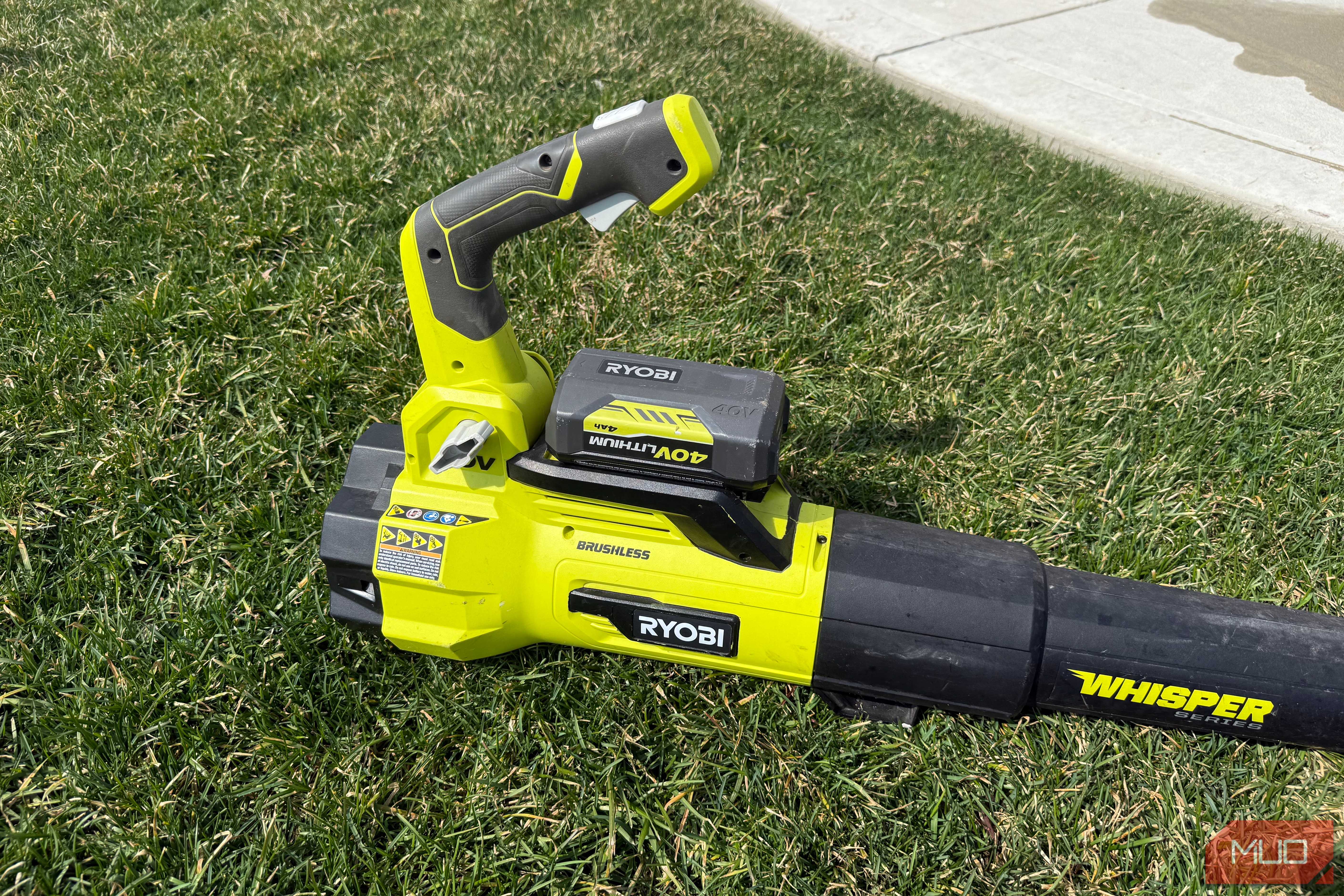
Nothing in my garage runs at full throttle as long as the blower does. Clearing the driveway and patio on my 2.5-acre lot means holding the trigger down for 20 minutes or more, and a blower motor gets no easy stretches. Every second is full load, which is where brushless efficiency turns directly into air volume and runtime.
Ryobi's entry 40V blower moves 550 CFM. The HP brushless Whisper Series model moves 650 CFM at 160 MPH, and Ryobi claims more than 45 minutes on a 4Ah battery, for $209 bare against roughly $107. Wet leaves and matted clippings are where the extra air shows. I own 40V packs up to 8Ah, and a blower drains even those quickly, so a motor that wastes less of each charge matters more here than anywhere else in my yard.

Pay for the motor when the trigger stays down
The pattern across all five is simple enough to carry into the store. If a tool cuts, bores, or blows for minutes at a stretch, the brushless version pays you back in speed and battery life. If it has to squeeze into a cabinet or hang at the end of your arm, the smaller motor pays you back in comfort.
Everything else in the green aisle can stay brushed, and plenty of the Ryobi tools worth buying in my shop do exactly that. Check Home Depot's seasonal Ryobi promos before paying list price, since bare HP tools often show up in the free-tool offers. Spend the premium in these five places and save it everywhere else.