


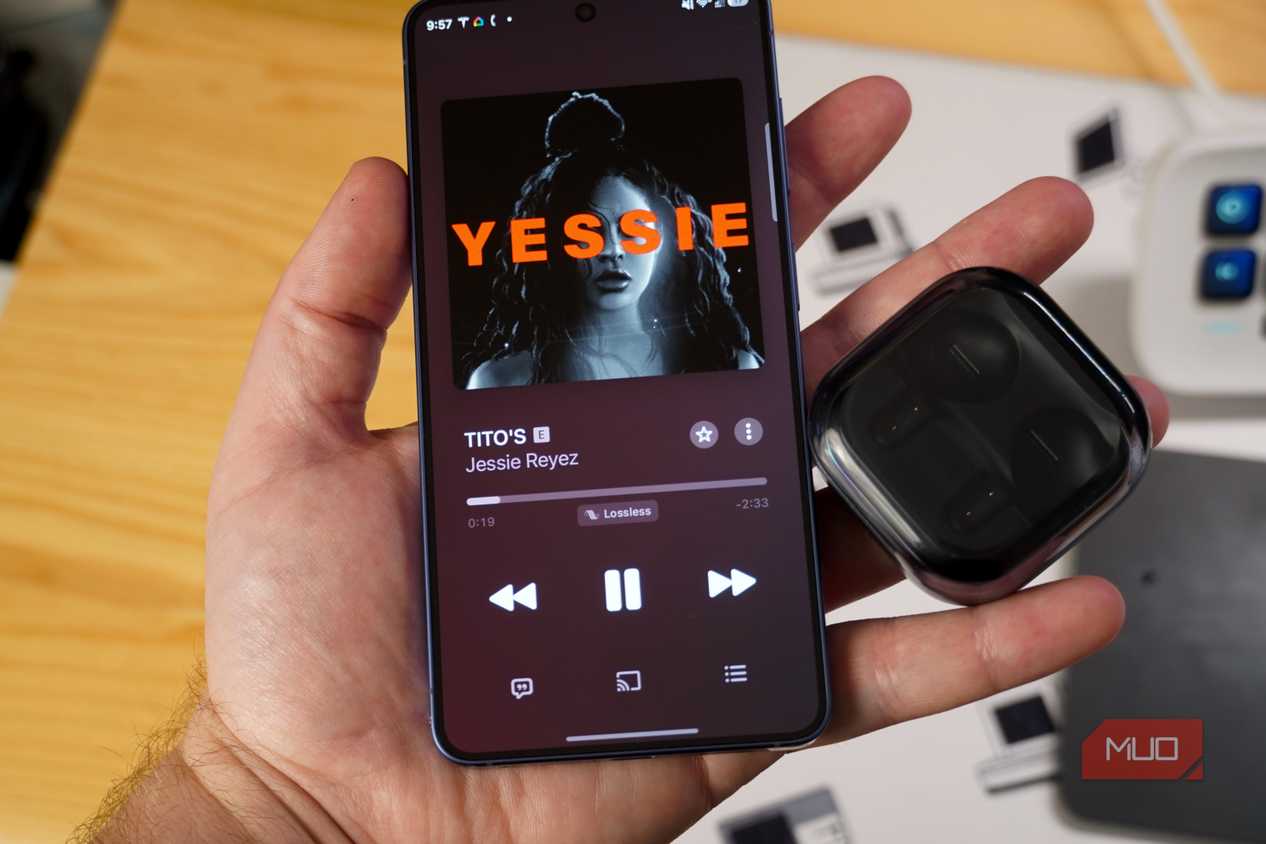
You can stream lossless music using platforms like Apple Music, Spotify, or Tidal, but the quality of the source files was never the problem. Instead, the real bottleneck is Bluetooth. Even if you have lossless music, it is compressed before it ever reaches your wireless earbuds or headphones. There are advanced Bluetooth audio codecs that improve sound quality, but only one — Qualcomm's aptX Lossless — matches true lossless CD-quality audio. Many of Samsung's phones have the hardware for aptX Lossless, so why isn't it available?
Snapdragon Sound is the technology suite that powers Qualcomm's best Bluetooth codecs, including aptX Adaptive, aptX HD, and aptX Lossless. It's built into the company's flagship chipsets, such as the Snapdragon 8 Elite Gen 5 for Galaxy inside the Galaxy S26 series, Galaxy Z Fold 8 lineup, and the Galaxy Z Flip 8. Instead of supporting aptX codecs on the software side (and licensing the codecs from Qualcomm), Samsung is sticking with its in-house Samsung Seamless Codec (SSC), and Galaxy users are missing out.
Samsung phones support hi-res audio, but not the kind you want
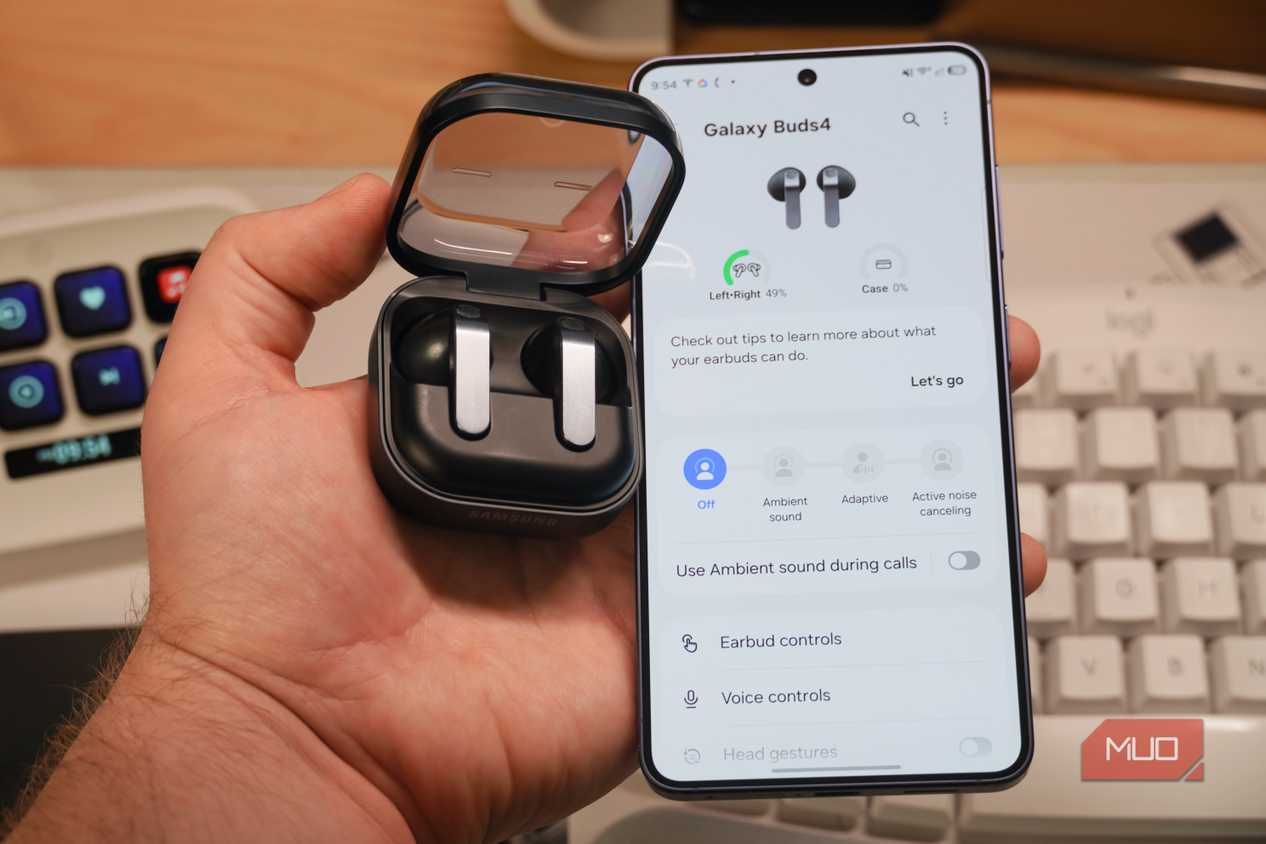
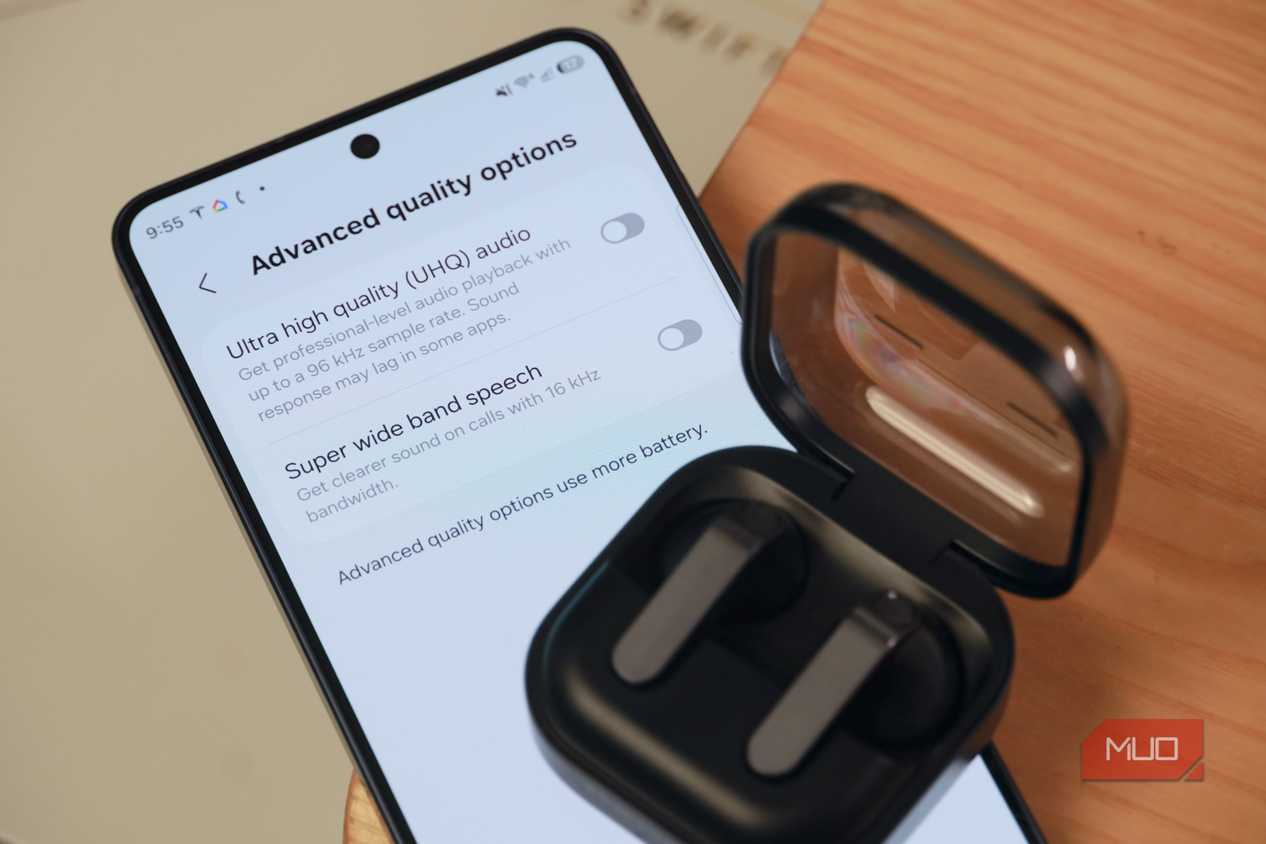
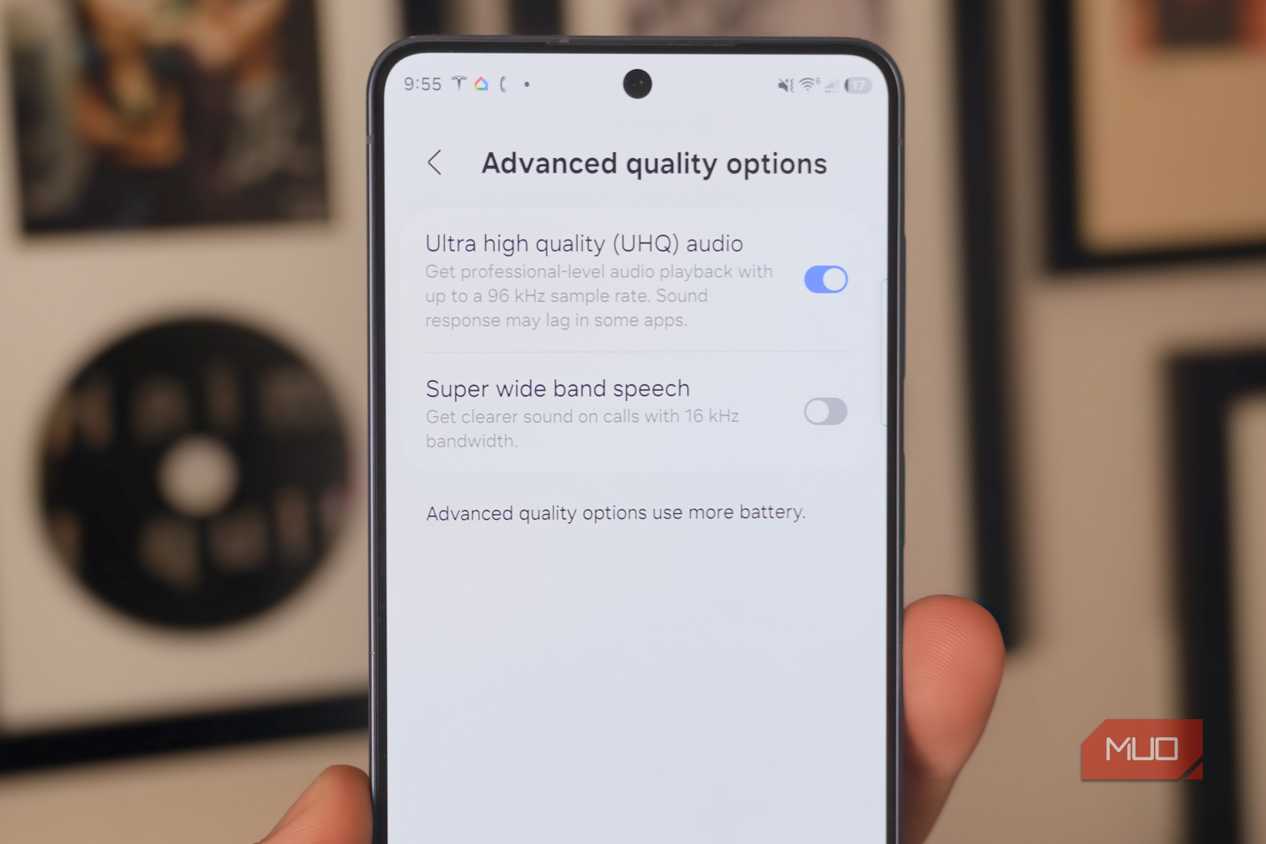
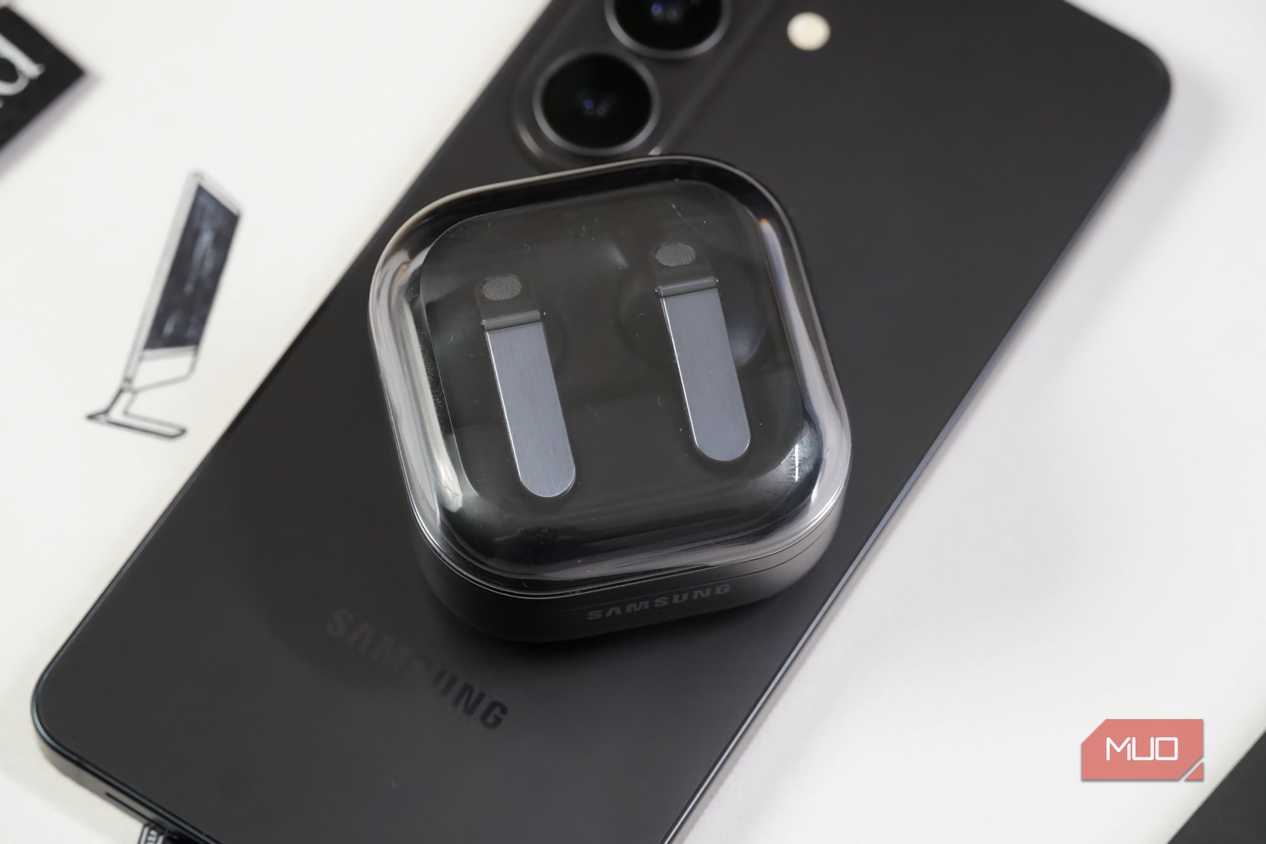
Samsung Seamless Codec's UHQ mode is exclusive to Galaxy Buds


 Credit: Brady Snyder / MakeUseOf
 Credit: Brady Snyder / MakeUseOf
 Credit: Brady Snyder / MakeUseOf
 Credit: Brady Snyder / MakeUseOf
 Credit: Brady Snyder / MakeUseOf
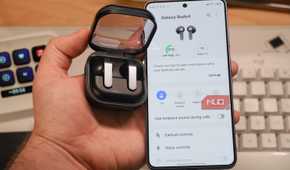
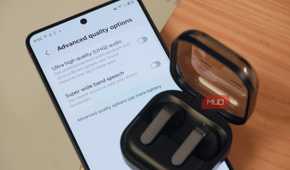
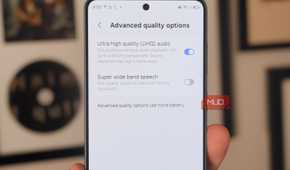

Samsung Galaxy phones do have a high-resolution audio codec, but it's limited to Galaxy Buds. This is known as the Samsung Seamless Codec Ultra High Quality (SSC UHQ) codec, and it isn't enabled by default. The new Ultra High Quality (UHQ) mode is built atop the Samsung Seamless Codec, which is an iteration of the older Samsung Scaleable Codec. That's a lot to follow, but what you need to know is that the SSC UHQ mode unlocks 24-bit/96kHz audio with the right combinations of Galaxy phones and earbuds.
The crucial requirement is a pair of Galaxy earbuds, and specifically, one of these models: Galaxy Buds 3, Galaxy Buds 3 Pro, Galaxy Buds 4, or Galaxy Buds 4 Pro. If you use any other wireless earbuds or headphones with your Galaxy phone, you won't be able to enjoy the benefits of SSC UHQ. There are a lot of Samsung phones out in the wild that support SSC UHQ, including the Galaxy S23, Galaxy Z Fold 5, Galaxy Z Flip 5, Galaxy Tab S9, Galaxy Z TriFold, or newer. Samsung's Galaxy Buds only support the lossy and low-bitrate AAC and SBC as alternatives to the proprietary SSC, so you'll want to use SSC UHQ whenever possible.
The standard version of SSC uses a dynamic bitrate, much like Sony's LDAC or Qualcomm's aptX Adaptive. It fluctuates between 88kbps and 512kbps, depending on the situation. The new SSC UHQ variant tops out at 2,304kbps, and on paper, it beats aptX Lossless, LDAC, and LHDC — all common high-resolution Bluetooth audio codecs.
Bitrate matters because it measures the amount of digital data that can be transmitted per second. The more audio data shared, the better and more detailed your music sounds. When using a Bluetooth codec with a low bitrate, audio data is left behind in the transmission and compression processes. However, a high bitrate doesn't guarantee the quality of the audio data being shared. Samsung's SSC UHQ isn't lossless, and that's where Qualcomm's aptX Lossless codec shines.
aptX Lossless doesn't just have a high bitrate, usually operating at roughly 1,000kbps. It also transmits lossless audio that is a bit-for-bit match to 16-bit, 44.1kHz CD-quality audio. Even though SSC UHQ's specs look better, aptX Lossless is the better high-fidelity codec — and Galaxy owners can't use it.
Snapdragon Sound hardware is there, but you can't use it
One UI doesn't support aptX Adaptive, aptX HD, and aptX Lossless

Qualcomm's aptX family of Bluetooth audio codecs use a combination of hardware and software to deliver impressive sound quality results. Samsung phones powered by flagship Snapdragon chips have the hardware required for Snapdragon Sound, but lack the software component. The hardware involves using "Qualcomm High Speed Link technology" and special Bluetooth radios to reach the necessary bandwidth to deliver wireless, bit-for-bit CD-quality sound. But what about the software?
Qualcomm charges manufacturers a licensing fee to use Snapdragon Sound codecs, including aptX Adaptive, aptX HD, and aptX Lossless. That's in addition to the cost of the hardware used to power them, such as the Snapdragon 8 Elite Gen 5 for Galaxy in the Galaxy S26 series. Only the base aptX codec is free to use. Qualcomm explains as much in a blog post:
The handset manufacturer (like Samsung, Sony, Motorola, etc) will choose to pay the licensing fee and include the Snapdragon Sound codecs, or they will include the basic codecs as part of the Android OS.
The basic codecs are SBC and AAC for Bluetooth Classic Audio and LC3 for Bluetooth Low Energy Audio. These are supported by all Android phones with LE Audio, including Galaxy devices. Samsung phones with flagship Snapdragon chips have the free aptX codec, but none of the advanced options that require licensing.
Interestingly, aptX HD has been free to use on Android phones for a few years now. It supports 24-bit, 48kHz audio at a bitrate of up to 576kbps. Surprisingly, aptX HD still isn't supported on Galaxy phones with Qualcomm chips. The hardware is already there, the software is free to use, but One UI doesn't include aptX HD anyway. This suggests that the licensing fee isn't the only reason Samsung doesn't use aptX Adaptive, aptX HD, or aptX Lossless on Galaxy phones.
Why aren't aptX codecs on Galaxy phones?
They aren't free, and wouldn't be available on every Galaxy model

We don't know exactly why Galaxy phones lack full Snapdragon Sound support despite having the requisite hardware. I've reached out to Samsung for an explanation, and will update this article if I hear back. For now, I can only speculate. I assume the licensing fee does play a factor, at least for aptX Adaptive and aptX Lossless. Samsung also has its own SSC UHQ codec that competes with the aptX suite, and to use it, you need to buy Galaxy Buds in addition to your Galaxy phone.
The other consideration could be Samsung's two-chip mobile strategy. Many of Samsung's flagship phones use Qualcomm chipsets in certain regions, but the company's in-house Exynos processors in others. The Snapdragon-powered Galaxy S26 has the hardware for Snapdragon Sound, but the Exynos-powered Galaxy S26 doesn't. Bringing the advanced aptX codecs to only some variants of the exact same Galaxy model would create a disjointed experience, and could frustrate the customers left out.
For now, expensive Galaxy phones are missing an incredible Bluetooth codec that their hardware already supports. To get aptX Lossless, these Galaxy phones must be paired with a USB-C Bluetooth transmitter and a third-party app. It's hardly a premium experience.

FiiO Air Link USB-C Bluetooth Transmitter
- Type
- Bluetooth transmitter
- Bluetooth
- Bluetooth 6
- SOC
- Qualcomm QCC5181 Chip
- Compatibility
- USB-C
- Connectivity
- LDAC & aptX Lossless
Fiio's Air Link is a USB-C Bluetooth transmitter that brings LDAC and aptX codecs to unsupported devices. It features Bluetooth 6 connectivity, a companion app, and a range of up to 50 meters.