


Samsung has always made some of the finest screens, and their technology is what made me fall in love with tablets. I still remember when the company launched its first AMOLED-screen-based smartphone almost two decades ago, and it changed the industry forever.
Over the years, the company has doubled down, not only using this technology in its devices but also supplying screens to other manufacturers. I have been using tablets for more than a decade, and my primary use case is undoubtedly content consumption.
Samsung offers the best multimedia experience in its flagship tablet range, with advanced AMOLED screens, quad speakers, and an extremely snappy software experience. So, if I had to buy a new tablet this year, I would choose Samsung for its multimedia experience.
AMOLED displays on Android tablets are a rarity
AMOLED offers better contrast compared to LCD's

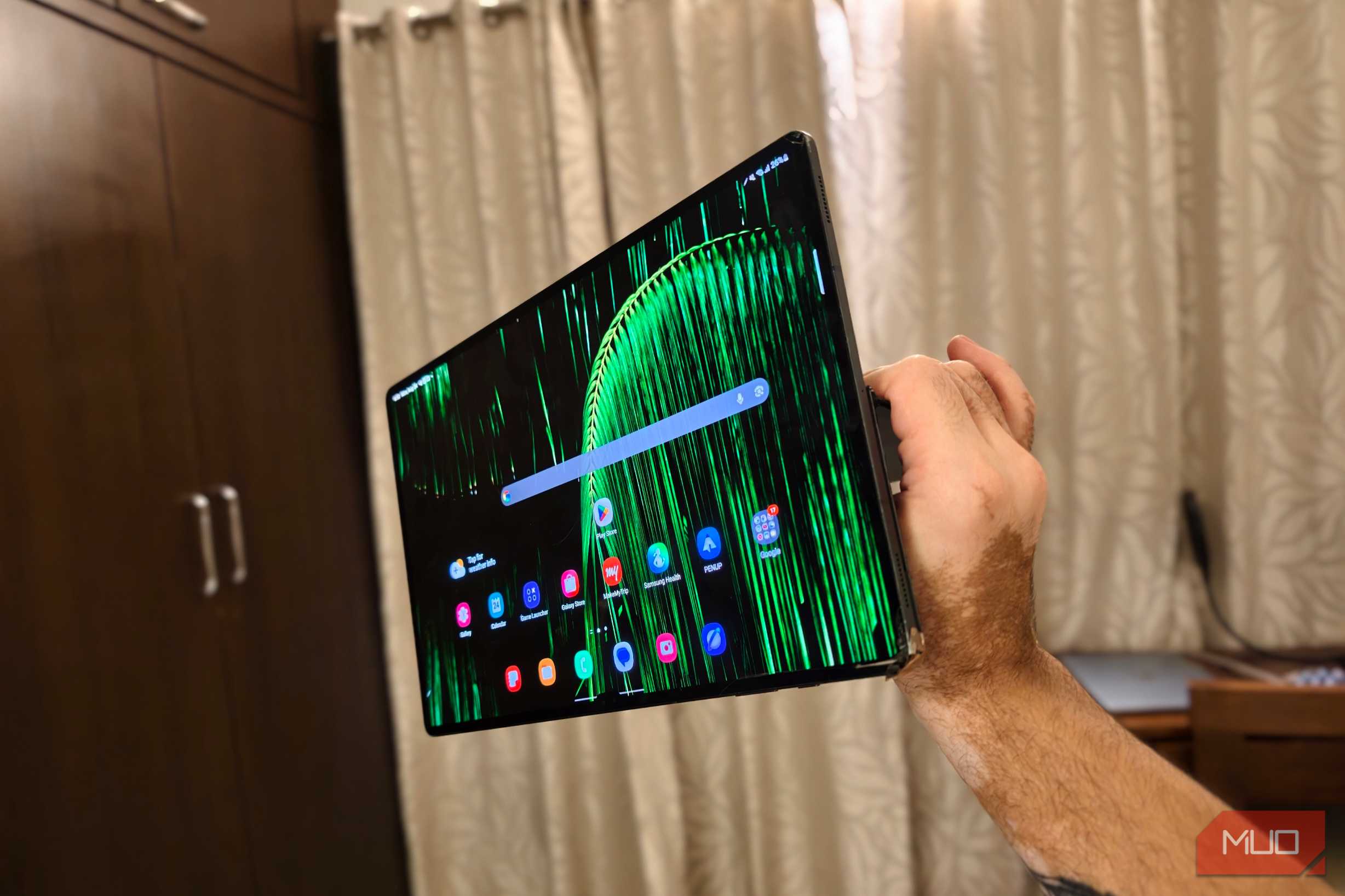
In India and several other markets, Samsung is one of the few companies that sells Android tablets with AMOLED screens. This is one reason I highly recommend Samsung's Tab S series to users in these markets who value media consumption. I have been using the S8 Ultra tablet for a few years now. Even though the device is a little worn out, the tablet’s display is still stunning.
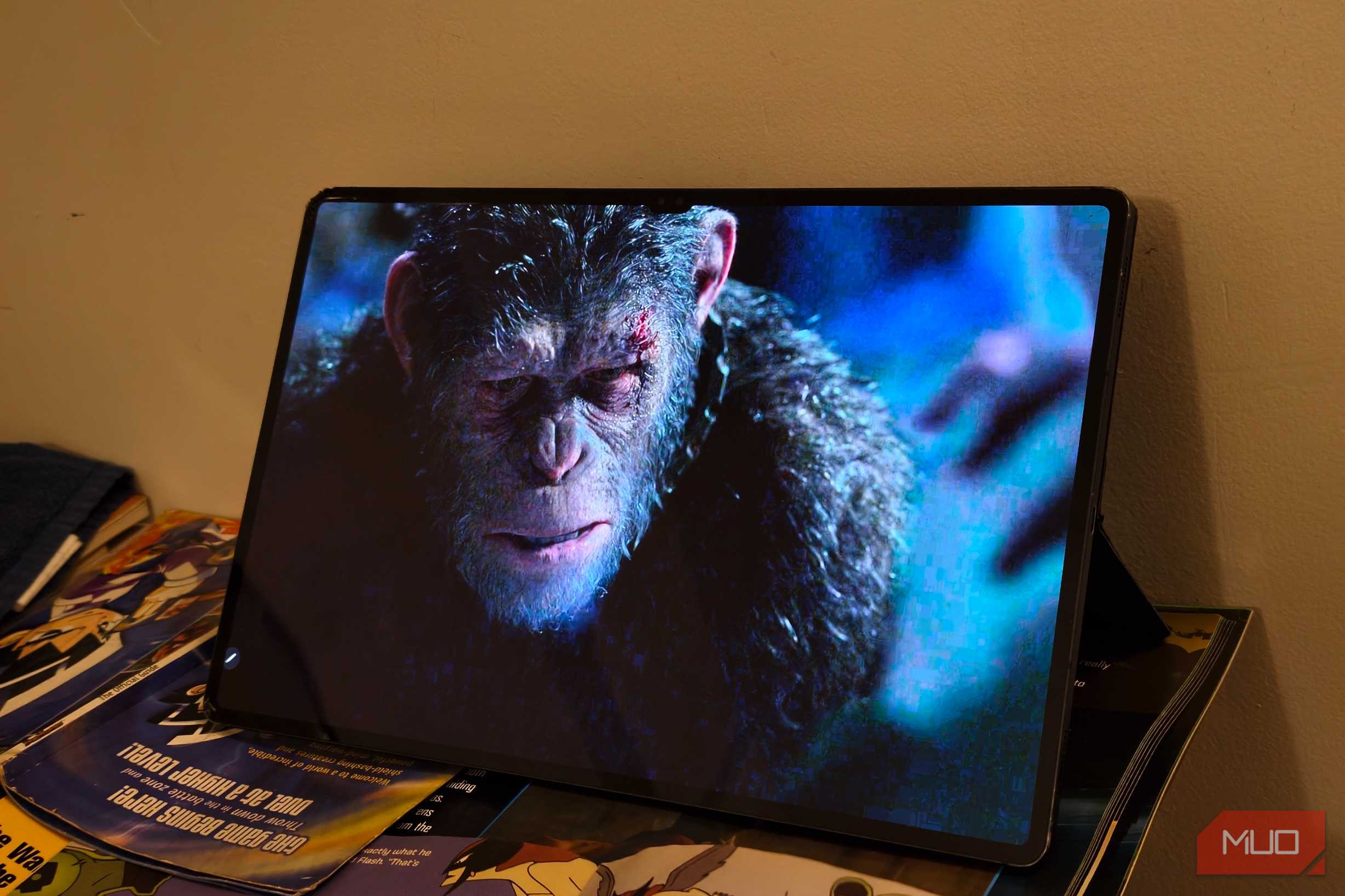
AMOLED screens offer far better contrast, inky blacks, vivid colors, higher refresh rates, and improved HDR performance. Compared to IPS LCD screens, which can't switch off individual pixels, AMOLED can achieve deeper blacks because individual pixels can switch off completely. This is because the technology is self-emissive, where every pixel generates its own light.
AMOLED screens are also less reflective than LCD screens. This is one reason Samsung's Galaxy Tab S series tablets truly shine, offering an amazing viewing experience even when you are consuming content in natural light. The 16:10 aspect ratio is also useful for video because it more closely matches the shape of conventional widescreen content than many productivity-oriented tablet displays.
You also get support for a 120Hz screen refresh rate, which makes the screen extremely snappy while browsing the web, scrolling through your favorite streaming platform, or gaming. The company also lets you choose between 'Natural' mode, which offers a true–to–life color profile, and 'Vivid' mode, which displays more saturated colors. If you opt for the Ultra range of tablets, you will be able to enjoy content on one of the biggest tablet screens there is.
Speakers can make or break the multimedia experience
Samsung’s S series tablets offer a quad speaker setup


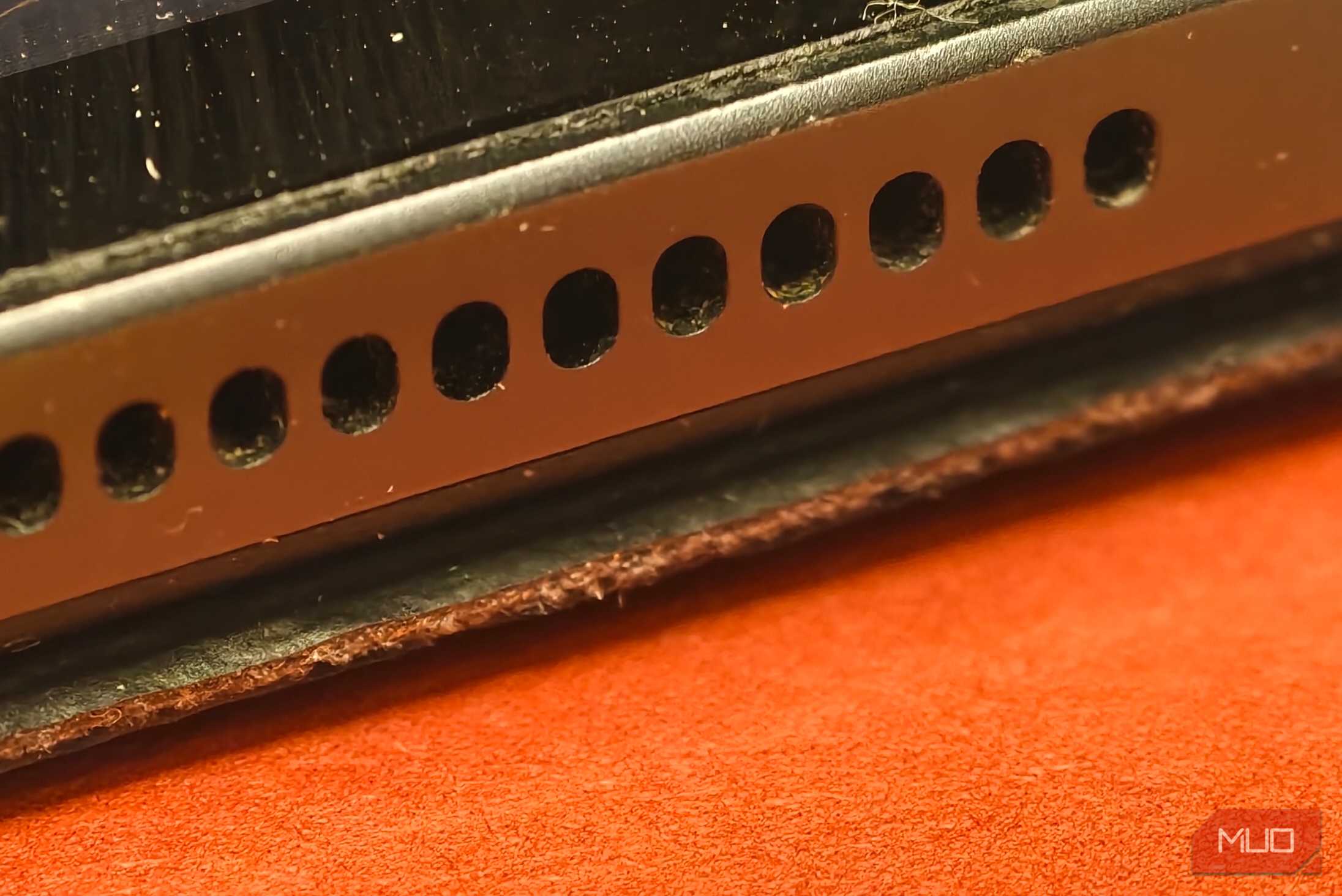



Audio is one of the most crucial factors for enjoying media. If your tablet's speakers are below par, the alternative is headphones, which aren't ideal for long periods. But with Samsung’s S series tablets, you won't have to. For years, Samsung has been using a quad-speaker setup for its S series tablets. The speakers are tuned by AKG and feature Dolby Atmos support. My experience with the setup has been phenomenal.
While a lot of companies offer tablets with multiple speakers, the real-world performance does not compare to the on-paper promise. The Tab S8 Ultra’s speakers offer extremely loud sound with ample bass for a tablet. The best part is how well the setup works for watching movies and TV shows.
The separation is so good it feels like the sound is coming from all around you, and I wondered whether someone was knocking on my door. When I double-checked, it was the content that was playing on the tablet. As the four speakers are positioned around the chassis, the stereo separation is far more convincing compared to downward-firing tablet speakers.
Great hardware needs smooth software
The company’s current UI is well-tuned

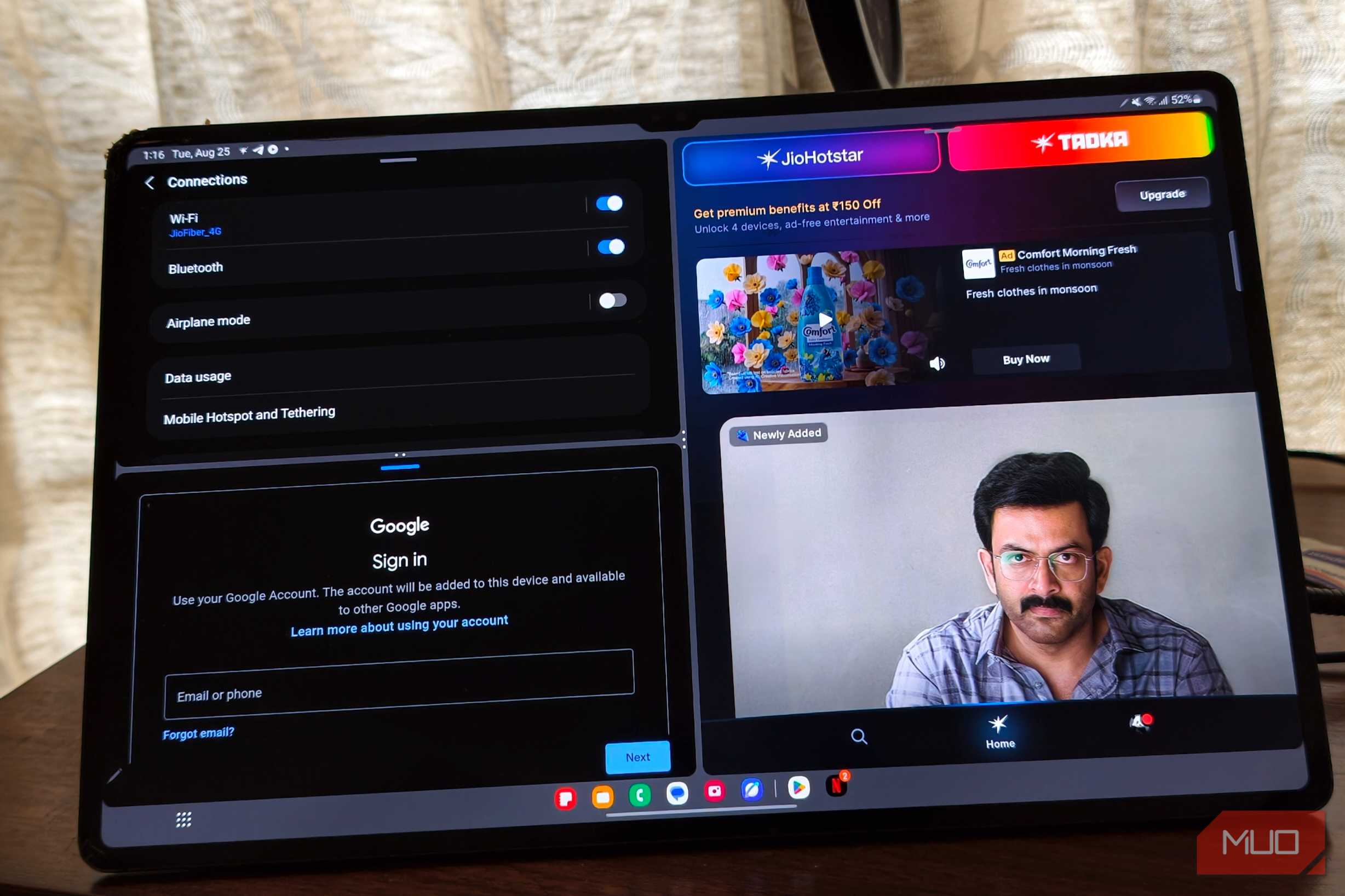
In recent years, Samsung has really stepped up its game in terms of software, especially for tablets and foldables. One UI offers support for essential features such as Multi Window, split-screen multitasking, floating windows, and more. I like having all these abilities without being forced to use them.
You can pick up the tablet and watch something. Then, if you suddenly need to reply to an email while watching a video, One UI makes that possible without turning the tablet into an awkward laptop. The software is smooth and far removed from the days of old when Samsung’s UI was plagued by glitches.
Primary reason to purchase Samsung's Galaxy Tab S-series tablets
The choice eventually boils down to what you want

While everyone has different use cases, I'm sure most users would need their tablets for some sort of media consumption or productivity. For me personally, I like to consume a lot of movies and TV series on my tablet, and for that very reason, I think Samsung’s high-end flagship tablets are an excellent choice. Sporting high-end AMOLED screens, an amazing speaker setup, and clean software, you can't go wrong.
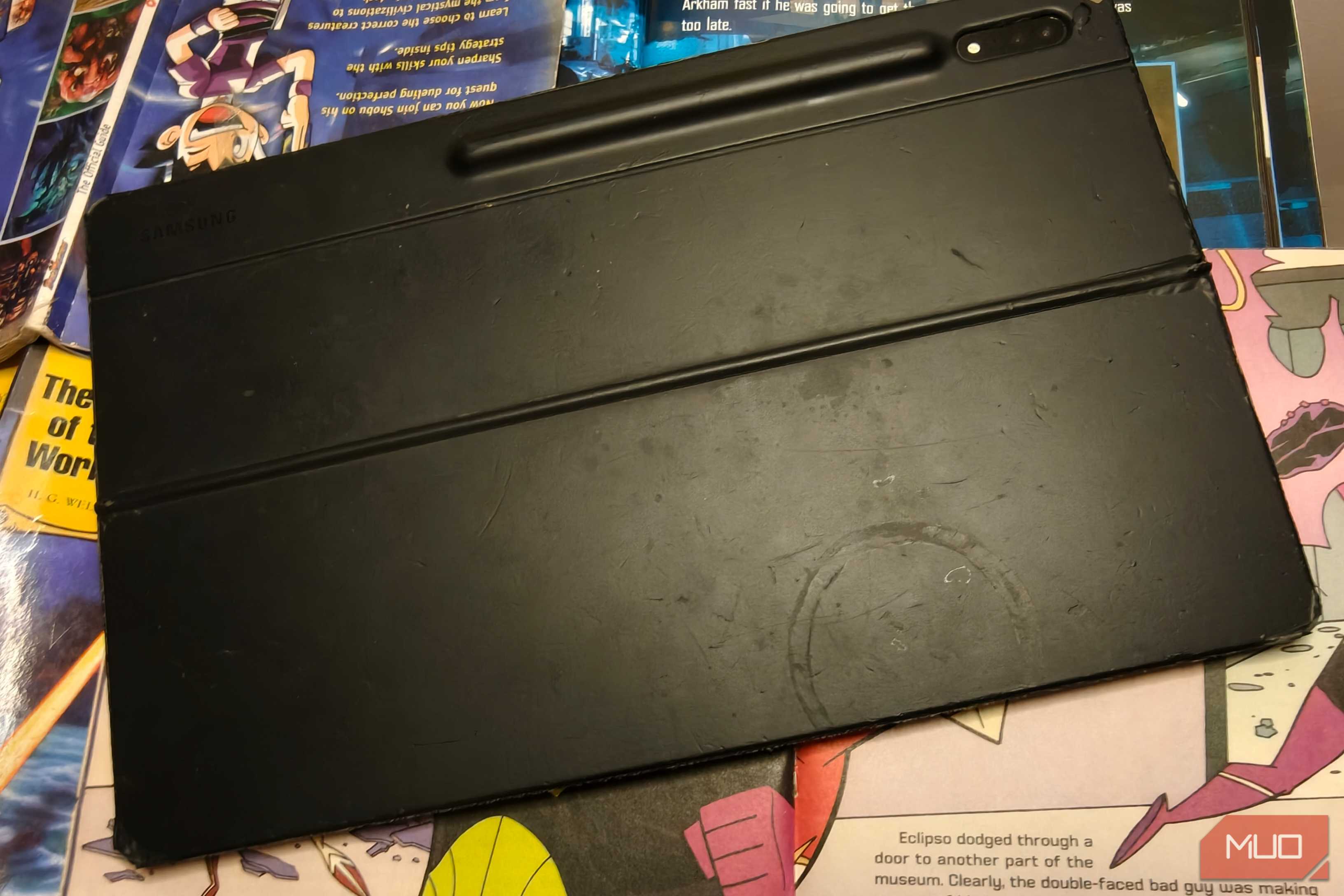
You also get the flexibility to choose from different screen sizes, ranging from 10.9 inches to 14.6 inches. Remember, these tablets are extremely thin, so using them without a case may be hazardous. Users can either get the official Keyboard Book Cover with an inbuilt stand or opt for a third-party stand. This will also allow you to place the tablet on a hard surface without the need to hold it.